Ever stared at a cracked tile in your bathroom and thought, “I can’t live like this anymore”? Or maybe you’ve dreamed of a kitchen that doesn’t feel like it’s from a 1985 time capsule. We get it. We’ve been there, both as homeowners and as the folks who get called to fix it all. Let’s talk about the wild world of remodeling, the good, the bad, and the “why is my contractor ghosting me?” We’ll share some hard-earned wisdom from our side of the toolbox and maybe, just maybe, make the whole process feel a lot less terrifying.
Table of Contents
The Great Renovation Rollercoaster: What You’re Really Signing Up For
Let’s be real. A renovation isn’t just picking out paint swatches. It’s a project with a heartbeat, a budget that likes to wander, and a timeline that can feel… flexible. Understanding this from the jump is half the battle.
First, you need a captain for your ship. A general contractor isn’t just a fancy title; they’re your translator, your quarterback, and your shield against the chaos. They manage the symphony of subcontractors, permits, and deliveries. Trying to be your own renovation contractor for a full home remodel is like performing your own dentistry. Possible? Maybe. Advisable? Absolutely not.
And about that budget. The word “cost” gets thrown around, but what does it actually include? The price you see on a showroom floor for cabinets rarely includes installation, hardware, or the guy who has to cut a hole in your wall to make them fit. A transparent construction company will break this down for you, so you’re not hit with surprises. Speaking of which, have you ever noticed how one small change seems to create a domino effect of ten others? Yeah, we call that “Tuesday.”
Picking Your Project (And Your Partner)
Not all remodels are created equal. Are you just refreshing a space, or are you changing its very DNA? This is where picking the right specialist matters.
The Bathroom & Kitchen Chronicles
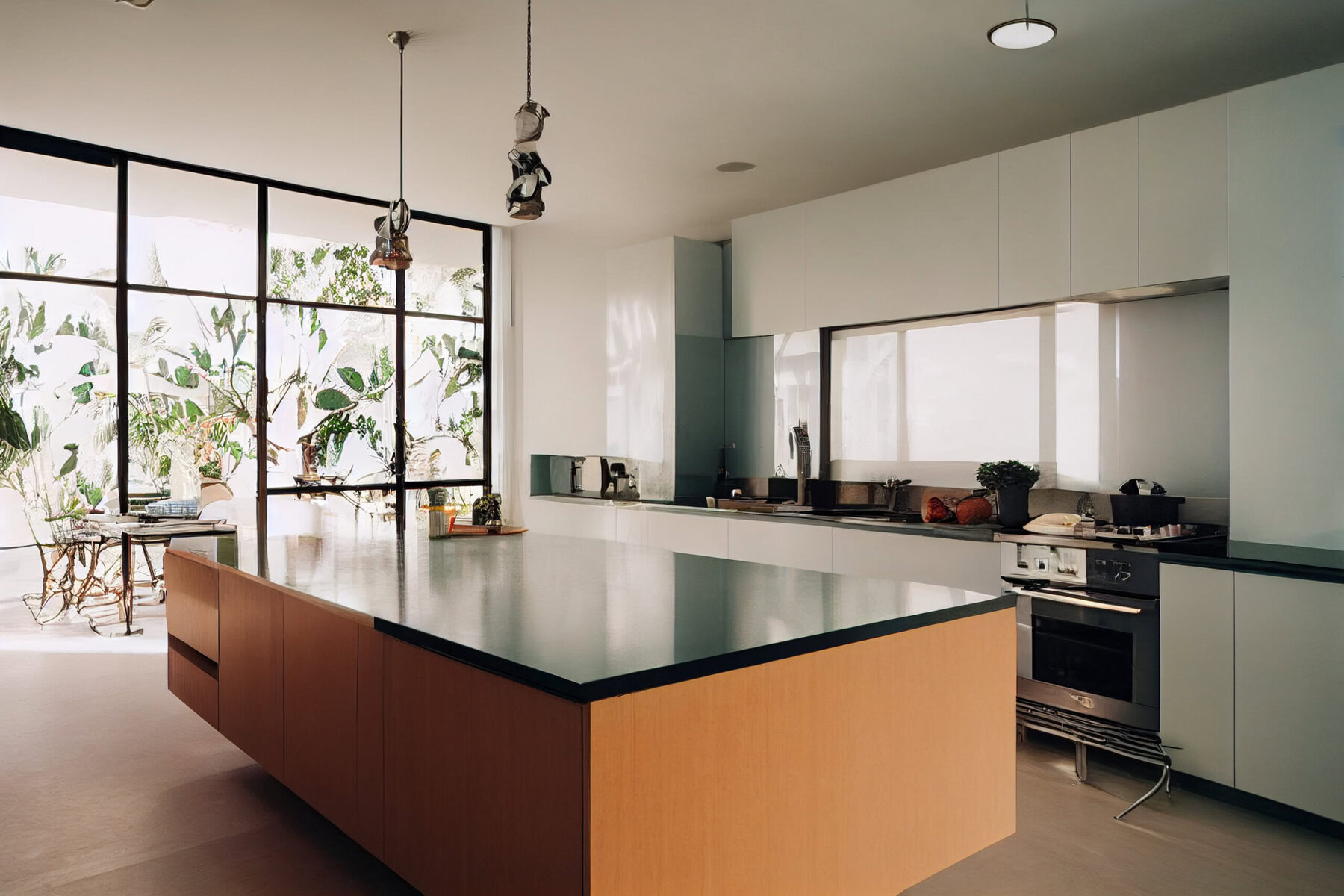
These are the heavyweights. A bathroom remodeler lives in a world of precise plumbing, waterproofing, and space optimization that would make a Tetris master weep. A bad tile job here isn’t just ugly; it’s a future mold farm. For kitchens, it’s an ergonomic puzzle of workflow, storage, and not putting the fridge where it blocks a doorway. IMO, these are the rooms where a true specialist earns their weight in gold backsplash tile.
The Big Picture: Whole-House & Additions
When you’re looking at a full home remodel or residential home additions, you’re playing 4D chess. You need a house remodeling contractor who sees how the new addition affects the old foundation, the HVAC load, and the flow of your entire life. It’s about holistic thinking. We once saw a gorgeous addition that made the original house feel like a dark hallway. The goal is seamless integration, not a “before and after” that looks like two different buildings awkwardly holding hands.
The Other Side: Commercial Spaces
Think office refurbishment is easier because there’s no shower to tile? Think again. Now you’re dealing with business continuity, commercial codes, ADA compliance, and making sure the accounting department can still function while you’re jackhammering near their cubicles. A skilled commercial contractor manages downtime like a chess grandmaster, because for a business, time literally is money.
The Trusst Construction Difference: Why We Do Things Our Way
Okay, let’s get a bit personal. We started Trusst Construction in Miami because we were tired of seeing friends and neighbors get burned by shoddy work and shady contracts. This city has its own unique rhythm, humidity, and building codes, and you need a team that breathes that air every day.
For us, “affordable” doesn’t mean cheap. It means clear value. It means we help you prioritize where to splurge (that waterfall countertop you’ve been eyeing) and where to save (maybe the under-cabinet lighting can be standard). We become your guide, not just your hammer-swingers. We’ve built our reputation as one of the best remodeling company options in South Florida by focusing on communication. No ghosting. Just honest conversations, even when we have to say, “That amazing idea? It’s going to blow the budget. Here’s a cool alternative.”
Whether it’s a bathroom refresh or a ground-up commercial build-out, our process is built on trusst. See what we did there? 🙂 Want to see if we’re the right fit for your home remodeling services project? Just give us a shout.
Your Renovation Roadmap: A Practical Guide
Let’s make this tangible. Here’s a simplified look at the typical phases of a residential remodel. Consider this your cheat sheet.
| Phase | What Happens | Your Key Job | Common “Gotcha” |
|---|---|---|---|
| Discovery & Design | Initial meetings, concept drawings, space planning. | Dream big, but be ready to refine. Gather inspiration pics! | Underestimating the need for detailed plans. Vague plans = vague bids. |
| Budget & Planning | Detailed scope, firm pricing, permit applications, scheduling. | Make final selections (tile, fixtures, etc.). Sign contracts. | The “while we’re at it” syndrome. Changes here are (relatively) cheap. Later? Not so much. |
| Demolition & Rough Work | Tear-out, framing, electrical/plumbing/AC rough-ins, insulation. | Stay out of the way! Dust is coming. | Discovering hidden issues (rot, old wiring). A good GC budgets a contingency for this. |
| Installations & Finishes | Drywall, flooring, cabinets, trim, paint, final fixtures. | The fun part! Watch the vision come to life. | Delivery delays for that perfect tile. Have a backup choice. |
| Punch List & Close-Out | Final walk-through, fixing minor items, cleaning, handing over keys. | Be meticulous. Test every switch, drawer, and faucet. | Expecting 100% perfection. We aim for it, but a punch list is standard for final tweaks. |
Questions We Hear All the Time (And Our Straight Answers)
1. “How long will my remodel actually take?”
Honestly? Longer than you hope, but shorter than your mother-in-law predicts. A small bathroom might be 4-6 weeks. A full home remodel could be 4-6 months. The timeline depends on scope, permit speed (hello, Miami), and material availability. We build a realistic schedule upfront and communicate constantly if anything shifts. Transparency is key.
2. “How do I know if I’m getting a fair price?”
Get multiple bids, but remember: you’re not just comparing numbers. You’re comparing scope. A low bid might exclude painting, cleanup, or permit fees. Look for detail. The cost should be broken down so you understand what you’re paying for. The cheapest option often ends up being the most expensive in the long run.
3. “Can I live in my house during the renovation?”
For a kitchen or single bathroom, it’s a tough but often doable camping experience. For a full home remodel, we usually recommend finding temporary digs. It’s safer, less stressful for you, and often lets the crew work more efficiently. Dust has a magical ability to get into everything.
4. “Why do I need permits? Can’t we just skip that?”
As a licensed general contractor, this is one we’re strict about. FYI, skipping permits can lead to massive fines, forced tear-outs, and huge problems when you sell your home. Permits ensure the work is safe and up to code. They protect you, not just the city. We handle this messy but vital paperwork for you.
So, there you have it. Remodeling is a journey with bumps, surprises, and ultimately, an incredible payoff. It’s about finding a team that sees your vision, respects your budget, and has the expertise to navigate the inevitable plot twists. If you’re in South Florida and looking for a partner who communicates as well as they construct, well, you know where to find us. Trusst Construction is always here for a no-pressure conversation. Let’s build something amazing together.