Ever stared at a cracked tile in your bathroom and thought, “I can’t live like this anymore”? Or maybe you’ve dreamed of knocking down a wall to finally get that open-concept kitchen you see on all the shows. We get it. We’ve been there, both as homeowners and as the folks who get called in to turn those dreams (or desperate needs) into reality. Let’s talk about the wild world of remodeling, shall we? It’s a journey filled with dust, decisions, and, if you do it right, a whole lot of delight at the end.
We’re going to walk through what it really takes to transform your space, from picking the right pro to managing your budget without having a panic attack. And because we’re based right here in the 305, we’ll sprinkle in some Miami-specific wisdom, too. After all, our humidity and architecture have their own… personality.
Table of Contents
So, You’ve Decided to Remodel. Now What?
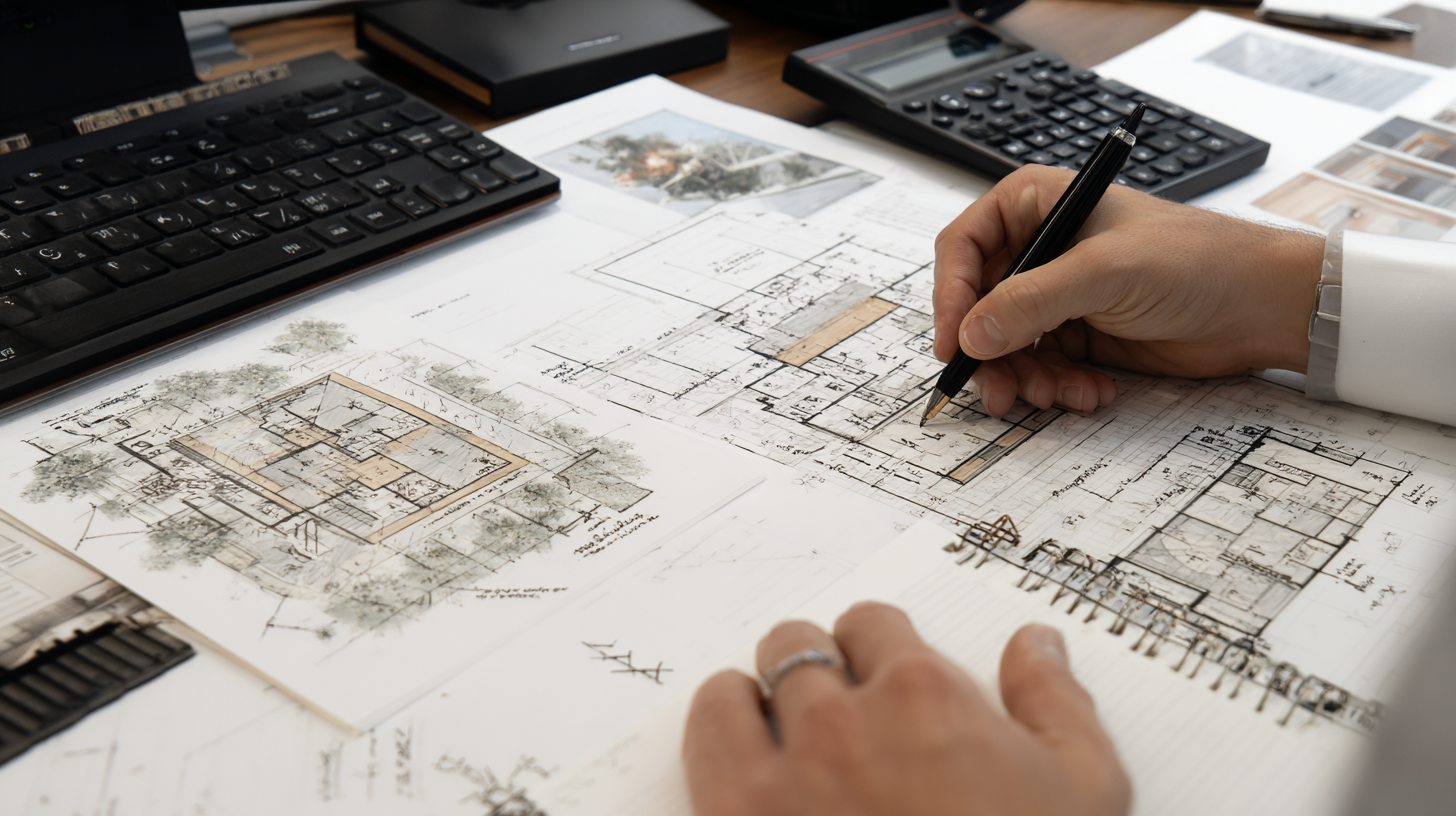
First off, congratulations! Deciding to improve your home is a big deal. But before you start swinging a sledgehammer like you’re on a reality TV show, let’s talk planning. A successful remodeling project lives and dies in the planning phase. We’ve seen amazing ideas fall apart because the foundation of the plan was shaky.
Think about it this way: you wouldn’t start a road trip without a map (or, okay, GPS). Your remodel is the same. You need a clear destination. Are you looking for a quick bathroom remodeler to update some fixtures, or are you planning a full home remodel that reimagines your entire living space? The scale changes everything—especially the cost and timeline.
Here’s a personal anecdote from our time at Trusst Construction: A client once wanted to “just move a sink” in their kitchen. Once we got into the walls, we found plumbing that belonged in a museum. That “simple” job needed a bigger plan. The lesson? Always, always budget and plan for the surprises. Which, in older Miami homes, are practically guaranteed guests.
The Cast of Characters: Picking Your Renovation Team
This is arguably the most important decision you’ll make. The wrong team can turn your dream project into a year-long nightmare. The right team makes the process feel like a partnership. So, who do you need?
- The General Contractor (GC): This is your quarterback. A good general contractor manages all the other players—the plumbers, electricians, carpenters. They handle permits, schedules, and the 500 daily questions that come up. They are the single point of contact, so you’re not playing project manager 24/7.
- The Specialists: For specific tasks, you might hire a bathroom remodeler or a kitchen designer directly. Sometimes, your GC will have a trusted team they bring in.
How do you find the best remodeling company for you?
Don’t just google and pick the first ad. Ask for referrals from friends who’ve been through it. Look at portfolios. And have real, in-depth conversations. Ask them how they handle problems, because problems will happen. A great renovation contractor communicates this clearly and has systems to deal with it.
FYI, when you’re looking near you, remember that a local construction company like ours, Trusst Construction, understands the specific permit processes and common issues in Miami neighborhoods. That local knowledge isn’t just a nice-to-have; it’s a time and money saver.
The Budget Talk: Making “Affordable” a Reality
Let’s be honest, this is the part everyone dreads. The word “affordable” is relative, but a transparent price structure shouldn’t be. A trustworthy contractor will help you understand where every dollar is going.
A good budget breaks down costs into clear categories:
- Materials: This is where your choices have a huge impact. Custom cabinetry costs more than stock. Italian tile is a different world than big-box store options.
- Labor: The skill and experience of the craftspeople.
- Permits & Fees: Especially in Miami, these are non-negotiable and must be factored in.
- Contingency: This is not optional. We recommend at least 10-15% of the total budget for the “unknowns.” Trust us on this.
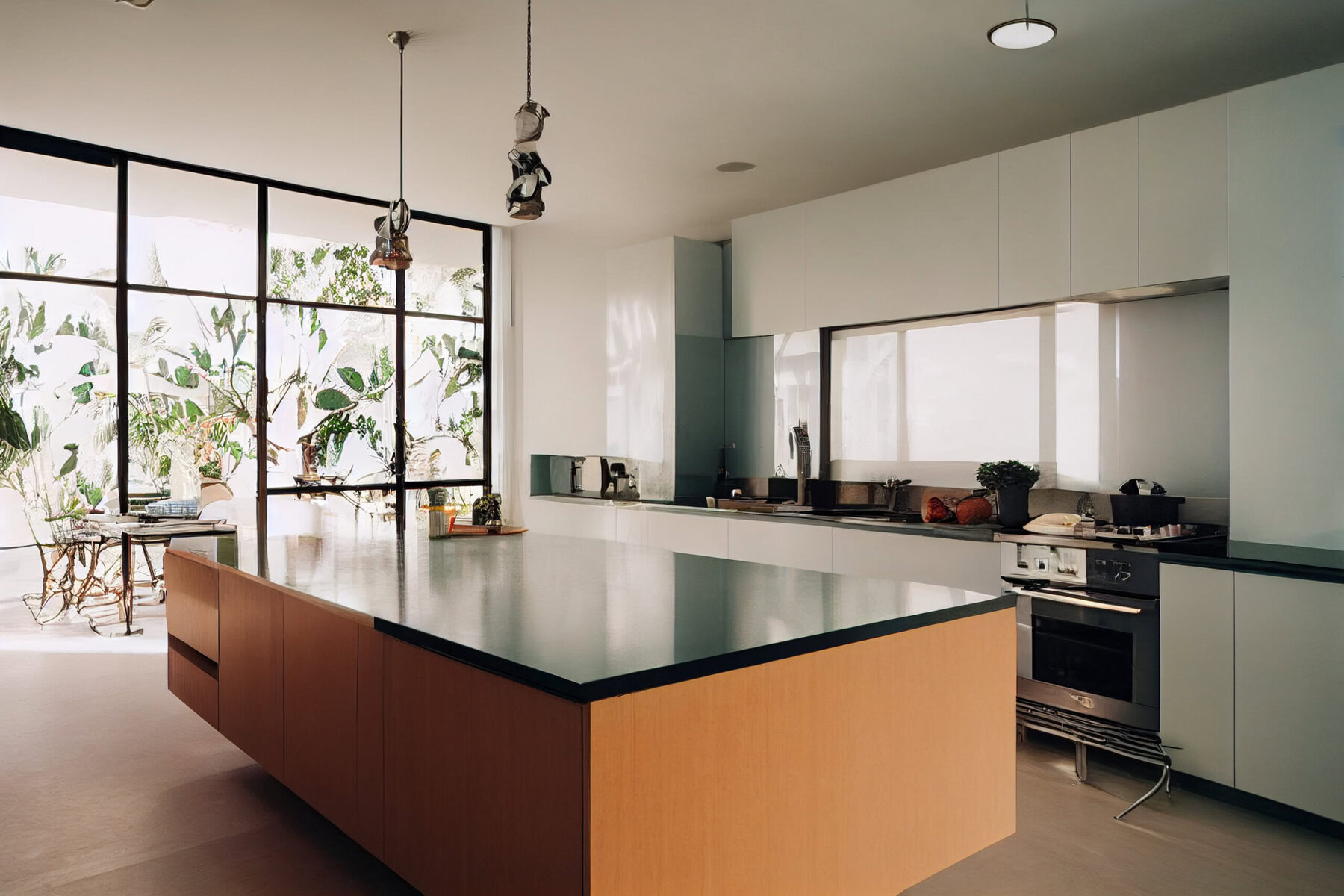
Want to see a typical breakdown? Here’s a simplified table for a mid-range kitchen remodel in our area:
| Cost Category | Percentage of Total Budget | What It Covers |
|---|---|---|
| Cabinetry & Hardware | ~30% | Boxes, doors, drawers, hinges, and pulls. |
| Appliances | ~15% | Refrigerator, range, ventilation, dishwasher. |
| Countertops | ~10% | Material (quartz, granite, etc.) and installation. |
| Labor & Installation | ~25% | Carpentry, plumbing, electrical, flooring. |
| Plumbing & Lighting Fixtures | ~10% | Sinks, faucets, pendant lights, etc. |
| Contingency & Incidentals | ~10% | Unforeseen issues, small change orders. |
See how labor is a major piece? That’s the value of expertise. Trying to cut corners here is the fastest way to see that contingency fund evaporate. IMO, it’s better to have a smaller project done right than a big project done poorly.
It’s Not Just Houses: The Commercial Side of Things
Maybe your needs aren’t residential at all. We do a ton of work as a commercial contractor, and the principles are similar, but the goals are different. An office refurbishment isn’t about creating a cozy nest; it’s about boosting productivity, reflecting your brand, and maximizing functionality.
Whether it’s updating a retail space in Wynwood or building out a new medical office, the need for a clear plan, a solid construction company partner, and strict adherence to timeline is even more critical. Downtime for a business literally costs money every single day. The pressure is different, but a great team thrives on it.
Your Questions, Answered (No Judgement)
We hear the same things over and over. Let’s tackle some FAQs head-on.
1. How long will my remodel actually take?
Longer than you hope, but your contractor should give you a realistic timeline with milestones. A bathroom might be 3-6 weeks. A full home remodel could be 4-6 months. Delays happen (back-ordered materials, surprise rot, permit hiccups). A good house remodeling contractor communicates these immediately and works on solutions.
2. Should I live in my house during the remodel?
For a small project like a bathroom remodeler job, maybe. For a whole-house gut? We wouldn’t recommend it. The dust, noise, and lack of a working kitchen or bathroom will test your sanity. Budget for temporary living arrangements if it’s a major project.
3. How do I prepare for the disruption?
Pack up the room(s) completely. Move what you can to storage. Set up a temporary kitchenette in another room if you’re staying. And mentally prepare for chaos before order. It’s a marathon, not a sprint 🙂
4. What’s the biggest mistake you see homeowners make?
Changing their minds mid-stream. It’s called “scope creep,” and it’s the arch-nemesis of budgets and timelines. Get your plans 100% solidified before demo starts. Of course, if you find a pipe full of coral while we’re working (it happens here!), we’ll adapt. But changing the tile choice after it’s ordered? That’s a budget killer.
Wrapping This Renovation Party Up
So, where does this leave us? Remodeling, whether it’s residential home additions or a complete office refurbishment, is a significant undertaking. It’s equal parts logistics, creativity, and patience. But when you partner with a team that you trusst (see what we did there?), it transforms from a stressful burden into an exciting collaboration.
The goal isn’t just new drywall and flooring. It’s about creating a space that works better for your life or your business. It’s about fixing what’s broken and building what you’ve always imagined.
If you’re in the Miami area and these conversations have your gears turning, why not start with a real one? At Trusst Construction, we love taking those initial “what if” ideas and helping you map them out into a feasible, fantastic plan. We’re not just builders; we’re your guides through the wonderfully chaotic process of making a space truly yours. Let’s chat
Related Articles
How to Choose Perfect Paint Colors for Your South Florida Home (And Avoid a 5,000-Dollar Repaint Mistake)
Florida Home Exterior Color Selection Guide
People Also Ask
For interior walls, the best colors balance light, room size, and mood. In Miami’s bright climate, soft whites, warm beiges, and light greiges reflect natural light and make spaces feel larger. For living areas, muted sage green or dusty blue creates a calm, coastal vibe. Bedrooms benefit from warm taupe or soft terracotta for coziness. Avoid overly dark shades in small rooms, as they absorb light. Always test samples at different times of day, as Florida’s sunlight shifts tones dramatically. If you need help selecting finishes that withstand humidity, Trusst Construction can guide you on durable, low-VOC paints that keep colors vibrant without fading.
For 2025, the trend is moving away from stark whites and cool grays toward warm, organic neutrals. Think creamy off-whites, soft greiges, and warm taupe tones that create a cozy, inviting atmosphere. Earthy shades like sage green, terracotta, and muted clay are also very popular, bringing a natural, grounded feel to living spaces. Deep, moody hues like forest green, navy, and charcoal are trending for accent walls and bedrooms, adding drama and sophistication. If you are considering a refresh, Trusst Construction recommends testing samples in your actual lighting, as Miami’s natural light can change how a color reads throughout the day. A professional painter can help you select the perfect shade to complement your architecture and furniture.
The most popular wall color in Miami, Miami Beach, and Hialeah is a warm, soft white, often with a subtle greige undertone. This shade, such as Benjamin Moore’s White Dove or Sherwin-Williams’ Agreeable Gray, is favored for its ability to reflect the intense Florida sunlight, making interiors feel larger and cooler. It also provides a neutral backdrop that complements both modern minimalist decor and classic Mediterranean architecture. For a more distinctive local trend, many homeowners in our area choose a pale, sandy beige or a light coastal blue-gray to echo the ocean and beach vibes. Trusst Construction often recommends these versatile neutrals to clients because they pair beautifully with natural wood and white trim, ensuring a timeless look that enhances resale value.
The shift away from cool, gray-toned interiors is a major trend, with warm, earthy neutrals taking center stage. Specifically, shades of creamy white, soft beige, and warm taupe are leading the charge, often described as "greige" or "warm stone." These colors create a more inviting and organic feel compared to the starkness of gray. Additionally, muted sage greens and terracotta are growing in popularity as accent walls, adding depth without overwhelming a space. For exterior finishes, a move toward warm off-whites and light browns is evident. If you are planning a renovation, Trusst Construction can help you select modern, timeless color palettes that align with current design standards for your Miami property.
Choosing the right wall paint in Miami, Miami Beach, and Hialeah is about more than just aesthetics. The intense sun and humidity demand specific finishes and hues. Lighter, neutral tones like soft whites, warm greys, and sandy beiges are ideal, as they reflect heat and make spaces feel larger. For a coastal vibe, consider muted blues or seafoam greens, but always test samples in your actual lighting. High-moisture areas like bathrooms and kitchens require a satin or semi-gloss finish for durability and easy cleaning. Flat finishes are best for low-traffic areas. To ensure your color choice lasts and avoids costly errors, Trusst Construction recommends reading our guide on How to Choose Perfect Paint Colors for Your South Florida Home (And Avoid a 5,000-Dollar Repaint Mistake) before you buy a single gallon.
Choosing the right bedroom wall colors is crucial for creating a restful retreat, especially in the humid South Florida climate where lighter shades help reflect heat and reduce cooling costs. For a serene master suite, consider soft blues, sage greens, or warm greiges, which promote relaxation without feeling stark. In Miami and Hialeah homes, we often recommend pairing these hues with white trim to enhance natural light. Avoid overly dark or saturated tones, as they can make a space feel smaller and trap visual heat. For a comprehensive guide on selecting shades that withstand our intense sunlight and humidity, Trusst Construction suggests reviewing our internal article titled 'How to Choose Perfect Paint Colors for Your South Florida Home (And Avoid a 5,000-Dollar Repaint Mistake)' at How to Choose Perfect Paint Colors for Your South Florida Home (And Avoid a 5,000-Dollar Repaint Mistake). This resource covers undertones and finishes to prevent costly fading and peeling.
Choosing the right wall paint color can transform your space, and the names often reflect the mood they create. Popular categories include warm neutrals like "Accessible Beige" or "Greige," which offer a soft, inviting backdrop. For a crisp, modern feel, cool tones such as "Sea Salt" or "Pale Oak" are favorites. Deeper shades like "Naval" or "Urbane Bronze" add drama and sophistication. When selecting from a list, always test samples in your room's lighting, as natural and artificial light will alter the appearance. At Trusst Construction, we recommend focusing on the undertone of the color, not just the name, to ensure it harmonizes with your flooring and cabinetry. A professional painter can also advise on sheen, as flat, eggshell, and satin finishes each interact differently with the pigment.
Choosing the right interior wall colors for your Miami home is about balancing heat, light, and humidity. Lighter shades like soft whites, warm greiges, and pastel blues reflect the intense Florida sun, making rooms feel larger and cooler. Darker hues absorb heat and can make a space feel smaller, but they work well as accent walls. Always test paint samples on your actual walls, as South Florida's natural light changes the appearance of colors dramatically throughout the day. Also, consider using mold-resistant paint, which is essential for our climate. For a comprehensive guide on selecting the perfect palette and avoiding costly mistakes, read our internal article How to Choose Perfect Paint Colors for Your South Florida Home (And Avoid a 5,000-Dollar Repaint Mistake). Trusst Construction recommends consulting a professional color consultant to ensure your choices enhance your home's value.
Choosing interior paint colors is a highly personal decision, but certain shades consistently top the popularity charts for their versatility and timeless appeal. Warm greiges, such as Agreeable Gray, remain a favorite for creating a soft, neutral backdrop that complements any furniture style. Soft, creamy whites like Chantilly Lace are also perennial winners, offering a crisp yet warm canvas that makes spaces feel larger and brighter. For a touch of nature, muted sage greens and dusty blue-grays are increasingly sought after for their calming, organic feel. Deep, moody tones like charcoal and navy are popular for accent walls, adding drama and sophistication. Finally, warm, greige-based taupes and light greiges continue to dominate for their ability to bridge the gap between cool and warm aesthetics. For expert guidance on selecting the perfect palette for your Miami home, Trusst Construction can provide professional color consultations.
The most popular choice for interior walls in the Miami, Miami Beach, and Hialeah area is undoubtedly a warm, soft white or off-white. This neutral palette is favored for its ability to reflect natural light, making spaces feel larger and cooler in our subtropical climate. It also provides a versatile backdrop that complements both modern minimalist decor and classic coastal styles. When selecting a white, be mindful of undertones, as a stark pure white can feel clinical. A warm greige or creamy alabaster often works best to avoid a cold appearance. For a comprehensive guide on choosing hues that withstand our humidity and sunlight, we recommend reviewing our internal article titled 'How to Choose Perfect Paint Colors for Your South Florida Home (And Avoid a 5,000-Dollar Repaint Mistake)' via How to Choose Perfect Paint Colors for Your South Florida Home (And Avoid a 5,000-Dollar Repaint Mistake). Trusst Construction can help you finalize the perfect palette for your project.