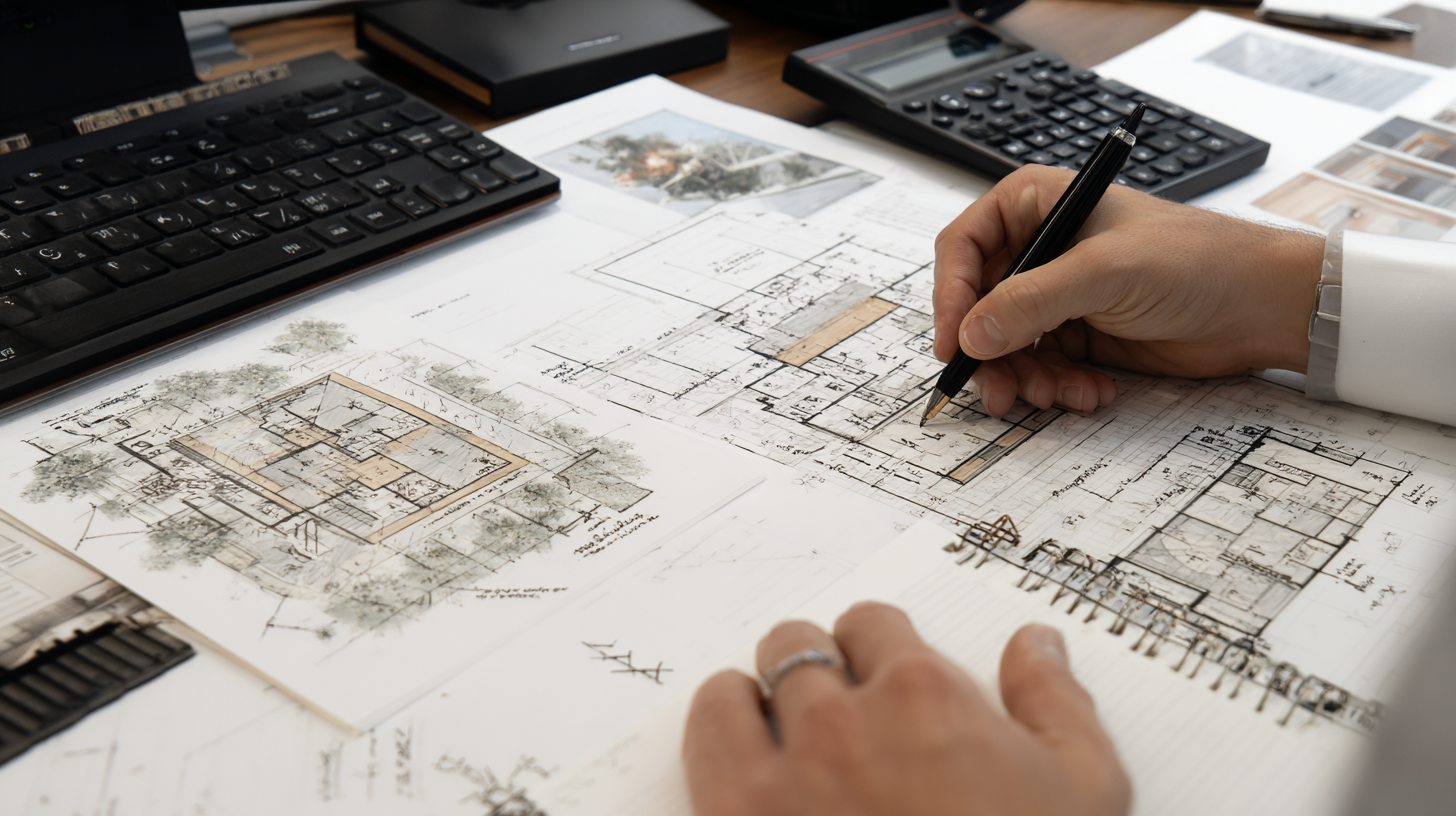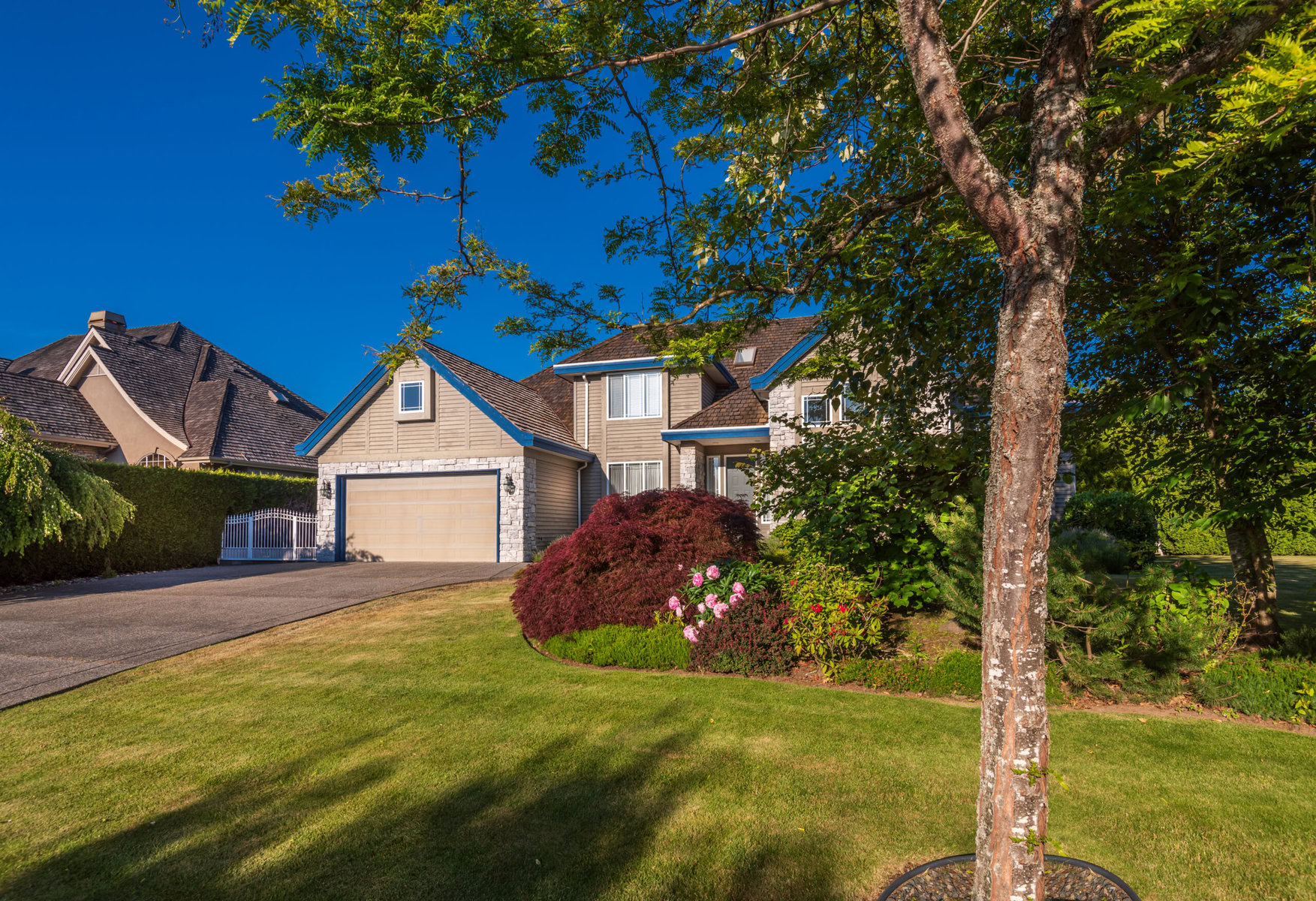

Ever stared at a cracked tile in your bathroom and thought, “I can’t live like this anymore”? Or maybe you’ve dreamed of that open-concept kitchen that would actually let you talk to your guests while you cook, instead of yelling over a wall. We get it. We’ve been there, both as homeowners and as the folks who get called to fix these daily annoyances and realize those big dreams. Let’s talk about turning your “what ifs” into “wow, this is amazing,” without the horror stories that give remodeling a bad name.
Table of Contents
The Great Remodeling Dilemma: DIY or Call the Pros?
We love a good DIY project as much as the next person. Hanging a picture frame? Go for it. But when it comes to the big stuff—knocking down walls, rewiring electricity, or plumbing an entire bathroom—that’s where the line between “thrifty” and “throw-your-money-away” gets real blurry, real fast.
Think about it: one misstep with a load-bearing wall, and you’re not just dealing with a repair; you’re funding a structural rescue mission. A professional general contractor doesn’t just swing a hammer. They bring a network of trusted specialists, a deep understanding of Miami’s building codes (which, trust us, you want someone to understand), and the project management skills to keep ten different trades from showing up on the wrong day. That’s the peace of mind you’re really investing in.
Budget Talk: Let’s Demystify “Cost”
Okay, let’s tackle the elephant in the room: the price. It’s the number that makes most of us break out in a cold sweat. But here’s a little secret: an affordable project isn’t about finding the cheapest bid. It’s about maximizing value and avoiding costly redos.
A transparent construction company will break down costs with you, not hide them. At Trusst Construction in Miami, we believe in upfront conversations. We’ll talk about where you can save (maybe with those gorgeous, but more cost-effective, engineered countertops) and where you absolutely shouldn’t (like skimping on waterproofing in a bathroom—just don’t). The goal is a final number that reflects your vision without nasty surprises halfway through.
FYI, here’s a basic breakdown of where your dollars typically go in a major renovation:
| Cost Category | Typical Range of Total Budget | What It Covers |
|---|---|---|
| Design & Planning | 5% – 15% | Architectural drawings, permits, engineering, project planning. |
| Materials & Finishes | 35% – 50% | Lumber, concrete, drywall, cabinets, flooring, fixtures, paint. |
| Labor & Installation | 25% – 35% | Carpentry, electrical, plumbing, tiling, painting, etc. |
| Project Management & Profit | 15% – 20% | Oversight, scheduling, warranty, and, yes, keeping the business running. |
| Contingency Fund | 10% – 15% | The most important line! For the unexpected “oops” behind the walls. |
Picking Your Project Partner: It’s More Than a Handshake
So, you’ve decided to hire a pro. Great! But how do you choose? A quick search for “best remodeling company” or “renovation contractor” will give you a thousand options. IMO, you need to look beyond the shiny before-and-after photos.
- Do they specialize in what you need? A genius commercial contractor for your office refurbishment might not be the right fit for your delicate bathroom remodeler project. Look for a portfolio that matches your vision.
- Communication is King (or Queen): Are they listening, or just waiting to talk? You want a partner, not a dictator.
- The Proof is in the Paperwork: Licensing, insurance, and a solid contract aren’t boring formalities—they’re your armor.
We built Trusst Construction on this exact principle. Whether it’s a full home remodel or a targeted update, we’re in the trenches with you, making sure the process is as smooth as the final result. Because a remodel should be exciting, not exhausting 🙂
Residential vs. Commercial: Two Different Beasts
Let’s clear something up: a house remodeling contractor and a commercial contractor often operate in different universes. Your home is your sanctuary; the schedule revolves around your family’s life, and the finishes are deeply personal. Commercial work, like an office refurbishment, is about minimizing downtime, adhering to strict business codes, and selecting durable materials for high traffic.
The skill sets overlap, but the approach is different. A great general contractor understands these nuances. They know that working on your Miami home means being mindful of neighbors, managing dust with surgical precision, and maybe working around your kid’s nap schedule. It’s a personal service, not just a construction job.
Planning for the Future: Why “Just the Kitchen” Often Grows
Here’s a common tale: you start planning a kitchen update, and then you think, “Well, if we’re doing this, the dated bathroom right near the kitchen will look terrible…” Suddenly, you’re contemplating residential home additions and a full home remodel. It happens more often than you’d think!
A forward-thinking remodeling pro will help you see the bigger picture. Maybe we phase the project. Perhaps we run wiring for future smart home features during the current reno. Strategic planning with a company like Trusst Construction means your home evolves intelligently with your life, saving you money and hassle down the line. Why open the same wall twice?
Your Top Remodeling Questions, Answered
Let’s hit some of the questions we hear all the time.
1. How long will my remodel actually take?
Honestly? Longer than the HGTV episode. A simple bathroom might be 3-4 weeks. A major kitchen or whole-house project can take 3-6 months. The timeline depends on scope, material availability (supply chains are still a thing, unfortunately), and permit approvals. A good contractor will give you a realistic schedule and communicate delays immediately.
2. Should I move out during the renovation?
For a single bathroom or kitchen remodel, you can often tough it out with some creative living. For a full home remodel, we strongly recommend finding temporary digs. Living in a construction zone is stressful, slows the work down, and isn’t great for your mental health or dust inhalation.
3. How do we handle decisions and changes?
We set up a clear decision-making process from the start. You’ll have a single point of contact (usually your project manager) for all questions. Changes are discussed with a clear understanding of their impact on cost and timeline before we proceed. No one likes surprise bills, least of all us.
4. What makes one remodeling company better than another?
It boils down to process and people. The best remodeling company has a proven system for communication, problem-solving, and quality control. But more importantly, they have a team you genuinely like and trust. You’re inviting these people into your home for months; you should feel comfortable with them.
Wrapping It Up: Your Dream Space Awaits
At the end of the day, remodeling is about more than new cabinets and floor tiles. It’s about creating a space that works for your life, brings you joy, and maybe even solves that age-old problem of where to put the potato peeler. It’s an investment in your daily happiness.
It requires a team that sees your vision, respects your budget, and has the expertise to navigate the million little things that can go wrong (and will). If you’re in the Miami area and that sounds like the kind of partnership you’re looking for, we’d love to chat. Give Trusst Construction a call. Let’s stop just talking about that dream space and start building it, together. We promise to leave the drama for the theater and bring the trust to your construction site.
People Also Ask
A solid construction contract is the foundation of any successful project. The five essential elements include, first, the offer and acceptance, which establishes a clear agreement between the parties. Second, a detailed scope of work that defines the specific tasks, materials, and project timeline. Third, the payment terms, outlining the total cost, schedule of payments, and conditions for final payment. Fourth, a change order clause, which is critical for managing any modifications to the original plan, protecting both the client and the contractor. Finally, the dispute resolution and termination provisions, which set the legal framework for handling disagreements or ending the contract. At Trusst Construction, we ensure every contract we sign includes these elements to provide clarity and protection for our clients in Miami, Miami Beach, and Hialeah.
In Florida, a valid construction contract must be in writing if the project value exceeds $1,000, per the Statute of Frauds. Essential elements include a detailed scope of work, clear payment terms (including start and completion dates), and specific provisions for change orders. For licensed contractors, the contract must also include the state-required warning language about your rights under the Construction Lien Law, as well as the contractor’s license number. It is critical to verify the contractor’s license and insurance before signing. For complex commercial projects, ensuring these details are airtight is vital. To protect your investment, we recommend reviewing our internal article, Save Time, Money, and Stress: The 15 Non‑Negotiable Questions to Ask Before Hiring a Commercial Contractor in South Florida, which outlines key due diligence steps. Trusst Construction always prioritizes transparent, legally compliant agreements to safeguard your project.
The seven essential elements of a legally binding contract are offer, acceptance, awareness, consideration, capacity, and legality. While often listed as six, the seventh element is sometimes defined as mutuality of obligation, or the "meeting of the minds." An offer is a clear proposal, and acceptance is the unqualified agreement to it. Both parties must have awareness that a contract is being formed. Consideration refers to the value exchanged, which can be money, services, or goods. Capacity means all parties are legally competent, and legality requires the contract's purpose to be lawful. Finally, mutuality ensures both sides are bound to their promises. For complex construction agreements in Miami, ensuring all seven elements are explicitly documented is critical to avoid disputes. Trusst Construction always recommends a legal review to verify these components are solid before signing.
The seven essential requirements for a valid, enforceable contract are offer, acceptance, consideration, capacity, legality, mutual assent (or meeting of the minds), and certainty of terms. An offer is a clear promise to act or refrain from acting, which must be accepted unconditionally. Consideration is the value exchanged between parties, which can be money, services, or goods. All parties must have the legal capacity to contract, meaning they are of sound mind and legal age. The contract's purpose must be lawful, and both parties must genuinely agree to the same terms without fraud or duress. Finally, the terms must be definite enough for a court to enforce. For complex construction agreements in Miami, ensuring these elements are met is critical. Trusst Construction routinely verifies these components to protect your project from disputes.