
Table of Contents
Architectural Adaptability and the Universal Design Framework in Miami
Universal design in Miami residential construction creates living environments that accommodate all human abilities, ages, and mobility levels without compromising high-end aesthetic value. By integrating structural adaptability, continuous level surfaces, and non-slip finishes, homes can seamlessly adapt to changing family dynamics, severe weather events, and long-term physical needs.
In luxury residential remodeling across South Florida, multi-million US dollar properties frequently feature polished marble floors that turn dangerously slick when wet, uniform counter heights that strain users, and narrow entries that restrict mobility devices. These issues are not mere cosmetic oversights; they represent fundamental architectural defects that fail to support real-world human movement.
Universal design remedies these defects by embedding structural versatility into the home from the ground up. In Miami-Dade County, where multigenerational living is common and extreme humidity demands special material considerations, adopting universal principles creates safer, highly functional, and enduringly valuable living spaces.
Key Takeaways
Implementing universal design across South Florida luxury homes requires combining structural accessibility standards with climate-resilient material engineering. The following core architectural specifications form the construction baseline for ensuring long-term residential usability, physical safety, and property value preservation throughout Miami-Dade County:
- Universal design integrates invisible architectural accessibility into high-end residential builds without creating an institutional appearance.
- Miami flooring requires specific Dynamic Coefficient of Friction standards to prevent slip hazards caused by indoor-outdoor humidity, rain, and pool splashes.
- Installing 36-inch interior door slabs provides the required 32-inch net clear opening width necessary for unhindered mobility device clearance.
- Pre-blocking bathroom walls during rough framing costs roughly 50 US dollars in lumber, avoiding thousands of US dollars in retrofitting fees for grab bars rated for 250-pound loads.
- Zero-threshold exterior transitions and curbless linear shower drains demand precise floor framing calculations to ensure proper water drainage in coastal flood zones.
Why Standard Miami Architectural Layouts Fail Daily Usability
Standard Miami homes frequently fail usability standards because legacy architectural blueprints prioritize visual symmetry over spatial maneuverability and long-term accessibility. Narrow interior door frames, stepped entryways, and fixed-height cabinetry create immediate structural barriers for children, aging family members, and individuals navigating temporary physical injuries or permanent mobility devices.
During a recent whole-home overhaul in Coral Gables, builders previously installed custom upper kitchen cabinets at a fixed height of 54 inches above the finished floor level over deep base cabinets. The owner’s elderly parent was completely unable to reach daily kitchen supplies without using an unstable step stool. Correcting this flaw required removing finished millwork, re-anchoring wall framing, and installing motorized drop-down shelving inserts to restore functional access.
Similarly, traditional mid-century ranch homes in Pinecrest and Coconut Grove often feature compartmentalized floor plans with 28-inch door openings and narrow 30-inch hallways. These restrictive geometries make moving furniture difficult and prevent wheelchair maneuvering entirely. Overcoming these built-in limitations requires strategic wall removals, beam reinforcements, and expanded structural openings.
By addressing these layout defects during the initial design phase or a planned renovation, homeowners eliminate the need for costly future interventions. Accessible spatial planning creates an open, flowing layout that improves natural lighting and spatial harmony for all occupants.
Moisture Management and Material Traction Standards for South Florida
High humidity, frequent coastal rainstorms, and fluid indoor-outdoor floor plans turn standard polished stone flooring into severe fall risks throughout South Florida residences. Selecting interior and exterior surface materials engineered with verified Dynamic Coefficient of Friction (DCOF) ratings ensures maximum physical traction without sacrificing luxury aesthetics or architectural continuity.
To ensure physical safety, floor surface traction is quantitatively evaluated under testing parameters established by the Tile Council of North America under ANSI A326.3 protocols. For level interior walking surfaces that intermittently collect water, national guidelines establish a baseline wet DCOF rating of 0.42. In humid coastal environments like Miami, these standards are elevated to protect homeowners from unseen condensation hazards.
For interior zones, specify porcelain tiles, matte natural stone, or structured luxury vinyl plank engineered with a wet DCOF of 0.42 or higher. For exterior patios, covered lanais, and pool decks, strictly require materials rated at a minimum wet DCOF of 0.55 (Exterior Wet category). Micro-textured finishes provide exceptional grip while retaining a sleek, modern appearance underfoot.
During an outdoor pool loggia renovation in Key Biscayne, replacing slippery high-gloss travertine with micro-textured porcelain pavers eliminated standing-water slip risks without compromising the property’s clean architectural lines.
Thresholds, Door Openings, and Exterior Logistics Engineering
Engineering accessible entryways requires installing door slabs that deliver at least 32 inches of net clear opening width alongside zero-threshold exterior transitions. Combining subterranean drainage trenches with continuous floor membranes eliminates trip hazards while preventing hurricane-driven rain from penetrating the residential interior envelope during severe tropical storms.
A standard 36-inch door slab does not provide a true 36-inch walking path once door stops, hinge offsets, and handles are calculated. To achieve the 32-inch net clear width mandated by accessibility guidelines maintained by the U.S. Access Board, a 36-inch slab is the absolute baseline requirement. For primary exterior entrances, specifying 38- to 40-inch door slabs eases the passage of strollers, wide furniture, and luggage.
Traditional South Florida home construction relies on elevated 1.5-inch to 2-inch exterior door thresholds to prevent rain intrusion during storms. However, these raised saddles form persistent tripping hazards and obstruct wheeled equipment. Constructing zero-threshold flush entries paired with hidden trench drainage systems set directly into the subfloor framing resolves this conflict cleanly.
Logistical efficiency at the front entrance is equally vital. Daily parcel deliveries require smooth pathways from driveway drop-offs to sheltered front porch zones. Designing gently sloped, illuminated pathways paired with integrated, weatherproof drop boxes safeguards packages without creating structural clutter.
Comparative Specifications for Miami Universal Residences
Comparing traditional Miami residential building specifications against universal design guidelines highlights the critical engineering upgrades required for long-term accessibility. Transitioning from standard single-height fixtures and narrow clearances to multi-functional, adjustable parameters significantly enhances daily safety, physical independence, and spatial versatility across every room in the home.
| Architectural Element | Standard Miami Spec | Universal Design Spec | Operational & Safety Benefit |
|---|---|---|---|
| Interior Door Opening | 28 to 30 inches clear width | 32 inches minimum net clear (36-inch slab) | Accommodates mobility devices, strollers, and bulky furniture easily |
| Flooring Wet Slip Resistance | Unspecified (often polished marble) | DCOF >= 0.42 (indoor wet), >= 0.55 (patio) | Prevents slips on damp floors, pool drips, and ocean air condensation |
| Primary Entry Threshold | 1.5 to 2.5 inch raised saddle | Zero-threshold with subsurface channel | Eliminates trip hazards while protecting against storm water intrusion |
| Shower Enclosure Transition | 3 to 5 inch raised step curb | Curbless flush entry with linear drain | Allows unhindered roll-in access and sleek wet-room visual appeal |
| Switch & Outlet Placement | Switches at 48 inches, Outlets at 12 inches | Switches at 40-42 inches, Outlets at 18 inches | Ensures comfortable operational access from both seated and standing positions |
| Kitchen Counter Workstations | Uniform 36-inch height | Multi-level (30-32 inch seated, 36 inch standing) | Supports multiple cooks of varying statures and physical capabilities |
Kitchen Ergonomics and Multi-Height Counter Solutions
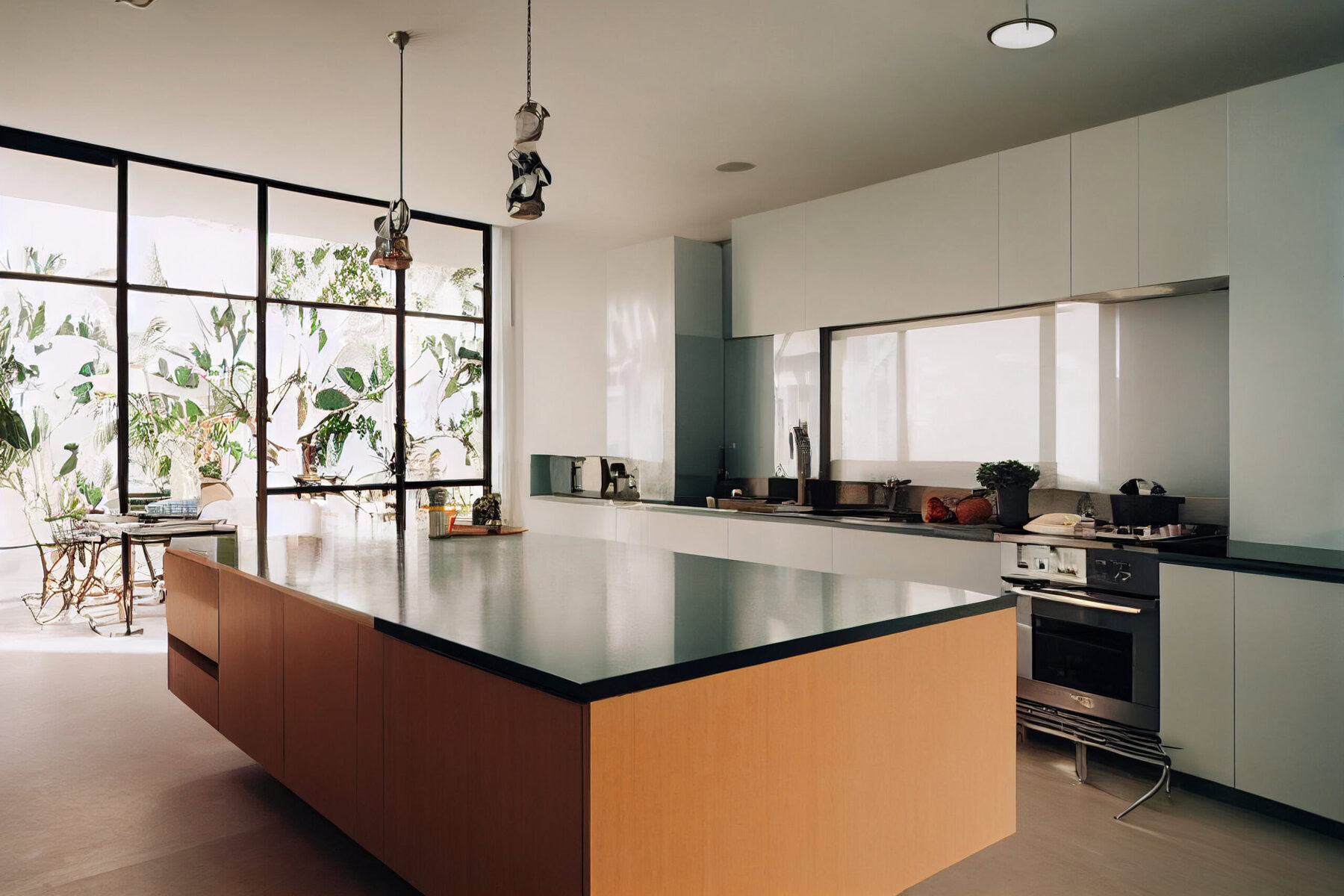
Designing an ergonomically adaptive kitchen requires integrating variable-height work surfaces, accessible appliance placements, and tactile hardware solutions that support both seated and standing prep work. Replacing deep fixed base cabinets with pull-out drawers and installing induction cooktops eliminates physical strain and reduces burn risks for household members of all physical statures.
A single 36-inch counter height forces shorter individuals or seated family members to reach unnaturally, while causing taller users to slouch. Framing multi-level island workstations addresses this constraint effectively. Incorporating a lowered 30-inch prep surface alongside a standard 36-inch counter provides dedicated knee clearance measuring at least 27 inches high, 30 inches wide, and 19 inches deep.
Appliance positioning dictates long-term kitchen usability. Mount wall ovens and microwave drawers so their central operating panels sit between 34 and 40 inches above the finished floor, eliminating dangerous overhead reaches with heavy, hot cookware.
- Appliance Positioning: Install wall-mounted ovens and microwave drawers with midlines positioned between 34 and 40 inches off the floor.
- Full-Extension Drawers: Replace standard fixed base cabinets with heavy-duty, full-extension soft-close pull-out drawers.
- Induction Surfaces: Specify smooth induction cooktops that transfer magnetic heat exclusively to cookware, keeping surrounding glass surfaces cool.
- Ergonomic Cabinet Pulls: Utilize broad D-shaped handles or integrated touch-latches rather than traditional small round knobs.
Bathrooms, Curbless Waterproofing, and Structural Framing
Universal bathroom engineering demands continuous level floor transitions, tanked elastomeric waterproofing, and reinforced wall blocking during rough framing. Converting stepped shower curbs into flush, curbless wet rooms with linear drainage systems creates seamless roll-in accessibility while protecting underlying structural concrete slabs from chronic moisture intrusion.
In a full-home renovation in Pinecrest with a post-tensioned concrete slab foundation, cutting deep drainage trenches was impossible without severing high-tension steel cables. To build a true curbless shower without raising the adjacent subfloor, lowering the concrete slab in the bathroom zone during structural alterations, placing a high-capacity linear drain against the far wall, and establishing a precise 0.25-inch per foot slope toward the channel achieved the desired result. A seamless elastomeric waterproofing membrane was then applied across the entire floor and lower wall assembly, tanking the space completely.
Wall framing reinforcement is another critical step during initial rough-in construction. Install solid 2×6 wood blocking horizontally between stud bays at 33 to 36 inches above the subfloor around all shower enclosures and toilets.
This structural upgrade costs approximately 50 US dollars in raw materials during framing. It allows heavy-duty grab bars to be securely anchored anywhere in the enclosure, supporting up to 250 pounds of pull force without risking drywall collapse.
Lighting Protocols, Switch Placement, and Stairwell Conversions
Optimizing residential lighting and vertical circulation involves mitigating intense tropical solar glare through indirect LED illumination, automated motion sensors, and lowered controls. Placing electrical switches at 40 to 42 inches and pre-framing stacked closets for future elevator shafts guarantees lifelong operational ease and multi-story accessibility.
Intense South Florida sunlight reflecting off bright walls creates harsh visual glare that slows visual adaptation for aging eyes. Resolving this requires integrating indirect LED cove lighting alongside anti-glare recessed fixtures. Baseboard-mounted LED path lights equipped with motion sensors automatically guide occupants through hallways and bathrooms at night without requiring manual switch operation.
Placement heights for hardware and controls must follow updated reach parameters. Position all wall switches, thermostat panels, and smart home controls at a height of 40 to 42 inches above the finished floor. Concurrently, raise electrical wall outlets from the traditional 12-inch baseline up to 18 inches, dramatically reducing the need for bending.
For multi-story estates in neighborhoods like Coconut Grove, vertical mobility demands forward-thinking framing. Install continuous handrails along both sides of staircases, extending the railing 12 inches horizontally beyond the top and bottom risers. Additionally, aligning structural floor closets vertically across successive floors allows these spaces to convert into pneumatic elevator shafts without cutting load-bearing joists.
Financial Return and Long-Term Asset Preservation
Integrating universal design principles during initial construction or major home remodeling adds under 2 percent to overall project budgets while eliminating prospective emergency retrofit costs. Universally accessible Miami homes experience accelerated market absorption rates, retain higher resale values, and accommodate multigenerational living without requiring repetitive capital expenditures.
Retrofitting an unadapted residential property following a sudden health event or mobility impairment is financially taxing. Rushed bathroom conversions, wall removals, and ramp installations frequently exceed 35,000 US dollars in emergency demolition and construction costs.
Planned universal enhancements protect homeowners from these unplanned expenditures. Features like zero-step entries, curbless showers, and widened doorways function as structural insurance for long-term residency.
From a real estate perspective, accessible properties attract a broader spectrum of buyers across South Florida. Buyers recognize the inherent value of a residence engineered to support aging family members, growing children, and changing physical requirements for decades.
Step-by-Step Execution for Retrofitting Existing Miami Estates
Retrofitting an existing South Florida residence for universal accessibility demands a systematic structural audit, precise subfloor engineering, and targeted spatial modifications. Following a disciplined sequential workflow ensures compliance with accessibility standards while preserving structural integrity and keeping total renovation costs under control:
- Conduct a Comprehensive Structural and Spatial Audit: Measure all existing doorway clear widths, floor level transitions, counter heights, and framing layouts to identify accessibility barriers and structural constraints.
- Formulate Waterproofing and Subfloor Drainage Engineering: Calculate floor slopes, evaluate subfloor slab depth, and specify linear drain locations to ensure seamless curbless shower conversions without compromising concrete structural tension.
- Perform Framing Alterations and Wall Blocking Installation: Remove non-load-bearing partition walls to expand door rough openings to 38 inches and install 2×6 structural blocking at 33 to 36 inches above subfloor elevation for grab bar reinforcement.
- Execute Electrical Control and Lighting Height Adjustments: Relocate wall switch boxes down to 40-42 inches off finished floor level, raise electrical outlets to 18 inches, and install baseboard motion-activated LED lighting systems.
- Install Slip-Resistant Surface Materials and Zero-Threshold Hardware: Lay high-traction flooring meeting wet DCOF ratings of 0.42 indoors and 0.55 outdoors, complete zero-threshold exterior door integration, and install multi-height kitchen cabinetry.
Frequently Asked Questions
Does universal design make a luxury Miami home look like an institutional facility?
No, modern universal design integrates invisible ergonomics that blend into high-end contemporary architecture. Architectural features such as flush curbless linear-drain showers, wide 36-inch door openings, continuous hard-surface flooring, and designer grab bars that double as luxury towel bars maintain a sophisticated aesthetic without any clinical appearance.
How much does it cost to convert a standard master bathroom into a curbless universal design space?
Converting a standard master bathroom into a curbless universal space typically adds between 2,500 US dollars and 5,000 US dollars to a planned renovation budget. This expenditure covers specialized linear drainage hardware, concrete slab alterations or floor re-sloping, and comprehensive floor-to-ceiling tanked waterproofing systems.
Can zero-threshold doors withstand South Florida hurricane winds and heavy rain?
Yes, zero-threshold exterior door assemblies withstand extreme weather when paired with specialized subterranean trench drains and high-capacity drainage channels. These systems meet strict high-velocity hurricane zone regulations governed by the Florida Building Commission, preventing storm water entry while preserving flush entry transitions.
What is the ideal dynamic coefficient of friction rating for outdoor pool decks in Miami?
Outdoor pool decks, covered lanais, and patio surfaces subject to rain and pool water should feature tile or stone with a wet Dynamic Coefficient of Friction rating of at least 0.55 under ANSI A326.3 testing standards. This elevated traction level prevents hydroplaning on wet outdoor surfaces exposed to intense tropical downpours.
How do universal design principles impact the long-term resale value of Miami real estate?
Universal design principles expand market demand by appealing to multigenerational buyers, retirees, and individuals seeking long-term residential accessibility. Homes equipped with zero-step entries, main-floor accessible suites, and wide corridors command premium market values and sell faster in competitive South Florida real estate markets.
Sources
- U.S. Access Board – ADA Accessibility Standards: https://www.access-board.gov
- Tile Council of North America (TCNA) – ANSI A326.3 DCOF Slip Resistance Standards: https://tcnatile.com
- Florida Building Commission – Florida Building Code Accessibility: https://www.floridabuilding.org