
Ever stared at a cracked tile in your bathroom and felt a wave of renovation dread wash over you? Or maybe you’ve dreamed of that open-concept kitchen for years but the sheer thought of finding the right team makes you want to hide under the sofa. We get it. The world of remodeling can feel like a maze of decisions, budgets, and, let’s be honest, a fair bit of dust. But what if we told you it doesn’t have to be a horror story? What if the process could be as exciting as the final reveal?
Here in Miami, we’ve seen it all—the good, the bad, and the unfortunately ugly renovations. That’s exactly why we built Trusst Construction. We wanted to be the kind of general contractor we’d want to hire ourselves: transparent, communicative, and genuinely passionate about turning your vision into a livable, loveable reality. Whether you’re eyeing a quick bathroom remodeler update or planning a full home remodel, the journey should be one you look back on with a smile, not a shudder.
Table of Contents
Demystifying the Miami Remodeling Process: It’s Not Rocket Science
Okay, sometimes it involves some complex engineering, but the process itself should be straightforward. A lot of folks think hiring a construction company means you just hand over the keys and hope for the best. That’s a surefire way to blow your budget and your sanity. The best remodeling companies operate on a foundation of clear process.
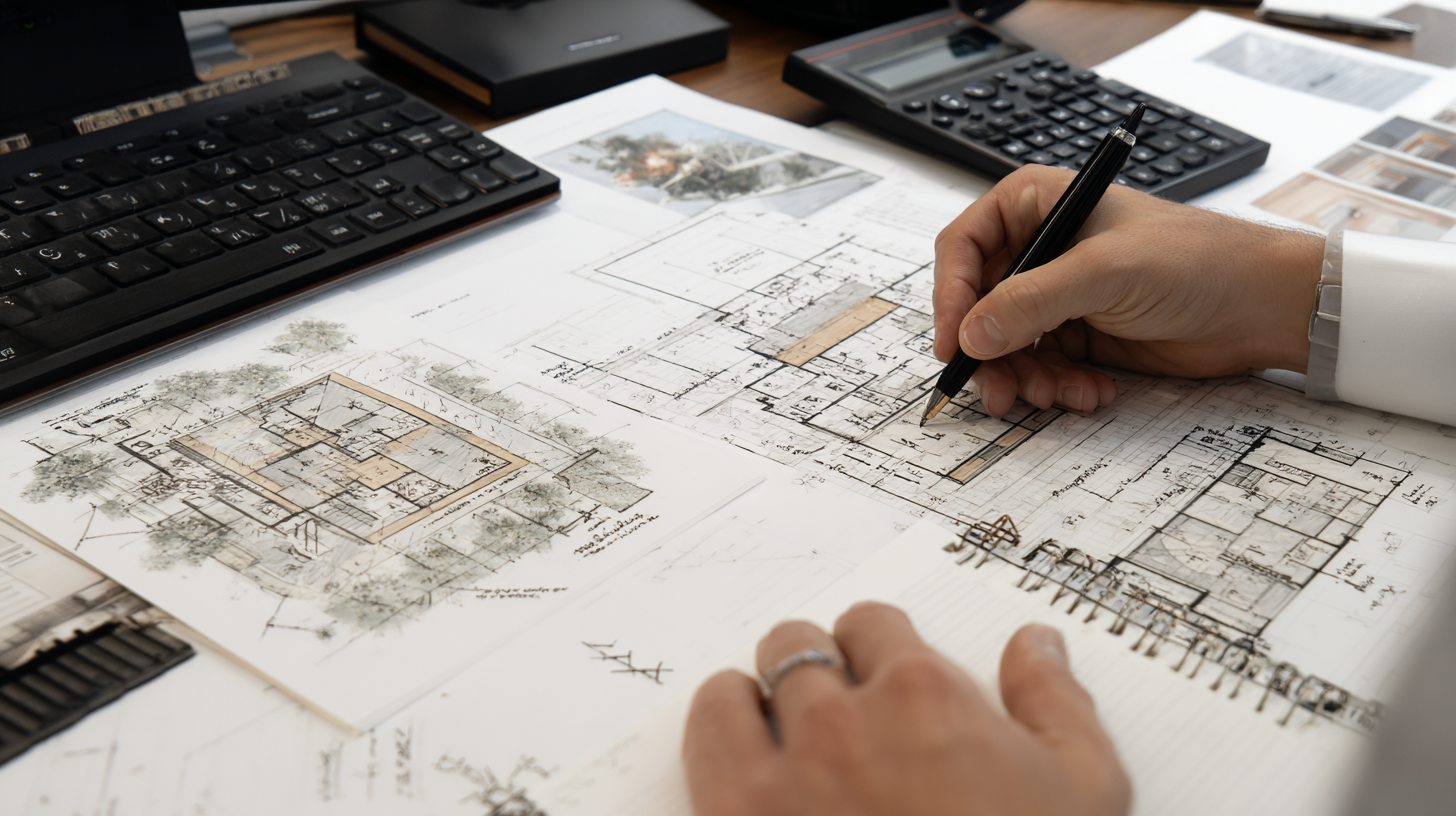
At Trusst Construction, we break it down into phases that keep everyone on the same page. It starts with a deep-dive conversation. We’re not just measuring your space; we’re listening to how you live in it. Do you entertain a lot? Need a home office that actually inspires productivity? Dream of a spa-like retreat near the master bedroom? This is where your project truly begins.
Budget Talk: Let’s Get Real About “Affordable”
Let’s tackle the elephant in the room: cost. We see the term “affordable” thrown around a lot, and IMO, it’s often misleading. Truly affordable home remodeling services aren’t about the lowest initial price; they’re about value, quality, and avoiding costly surprises down the road. A cheap bid might mean cutting corners on materials or labor, which can lead to repairs that double your expense in two years.
Think of your budget as an investment in your daily happiness and your property’s long-term value. A professional renovation contractor will provide a detailed, transparent estimate. They’ll show you where your money is going and offer smart alternatives if needed. For example, maybe we can suggest a stunning tile that gives you the high-end look without the luxury price tag. Our goal at Trusst Construction is always to maximize your investment, not just minimize the initial number.
Residential vs. Commercial: It’s a Different Ball Game
You might be wondering if you need a specialist. Great question! The skills of a top-tier house remodeling contractor and a commercial contractor do overlap—project management, craftsmanship, code knowledge. But the focus is wildly different.
- Residential Projects: It’s personal. It’s about emotion, lifestyle, and creating a sanctuary. We’re managing life around construction, working with families, and paying extreme attention to finishes you’ll touch and see every day. Think bathroom remodeling, residential home additions, and kitchen overhauls.
- Commercial Projects: It’s about business continuity, functionality, and ROI. Timeline and efficiency are even more critical. An office refurbishment, for instance, needs to minimize downtime for employees and create a space that boosts productivity and brand image.
The best remodeling company for you is one that has proven expertise in your specific project type. At our Miami-based firm, we’ve honed our teams to excel in both arenas, understanding that building a custom home addition requires a different mindset than renovating a retail space.
The Trusst Difference: Why Communication is Our Secret Sauce
We could talk about our quality materials or our skilled craftsmen (and we’re proud of them!), but honestly, so does everyone else. Our real secret? We treat communication as the most important tool in our toolbox. Sounds simple, right? You’d be surprised how many projects go sideways because of poor updates and assumptions.
We assign a dedicated project lead who is your single point of contact. No playing phone tag with five different people. You get regular updates, and we have a system for tracking decisions so nothing falls through the cracks. Because finding a great general contractor isn’t just about skill—it’s about trust. And trust is built through consistent, clear conversation. FYI, that’s not just a nice-to-have; it’s what keeps projects on schedule and on budget 🙂
Your Remodeling Roadmap: A Typical Project Timeline
To give you a clearer picture, here’s a simplified breakdown of what you can expect from a major renovation with a professional team. Timelines vary, but this flow is pretty standard.
| Phase | Key Activities | Your Involvement | Pro Tip from Us |
|---|---|---|---|
| Discovery & Design | Initial consultation, concept design, space planning, material selection. | High. This is your time to dream and decide! | Make all your big material choices (tile, cabinets, etc.) here. Delays later cost time and money. |
| Pre-Construction | Detailed drawings, engineering, permits, final budget & schedule. | Medium. We’ll need approvals and may have follow-up questions. | Permit timelines in Miami can vary. A good GC manages this process for you. |
| Construction | Demolition, rough-ins (electrical/plumbing), installations, finishes. | Low/Medium. We protect your space and manage the daily work. Weekly walk-throughs keep you informed. | Expect dust. Really. Even with containment, it finds a way. We’ll clean diligently, but it’s part of the process. |
| Final Punch & Reveal | Final inspections, touch-ups, deep clean, final walkthrough. | High. You do a detailed walkwith us to note any final tweaks. | This is the fun part! We’re not done until you’re thrilled with every detail. |
Questions We Hear All the Time (And Our Straight Answers)
1. How long will my project really take?
Honestly? It depends on the scope, permit speed, and material availability. A bathroom might take 4-6 weeks, a full home remodel several months. We build a realistic timeline upfront and fight like crazy to stick to it. Unforeseen issues happen (hello, hidden plumbing from 1972!), but we communicate those immediately and present solutions.
2. Should I get multiple bids?
Absolutely. But compare apples to apples. The lowest bid often excludes critical items. Look at the detail, the proposed process, and the feeling you get from the team. Do you trust them to be in your home? That’s why we’re Trusst Construction—it’s right in the name.
3. Can I live in my home during the remodel?
For most kitchen or bathroom projects, yes, with some inconvenience. For a whole-house overhaul, it’s often easier (and safer) to find temporary digs. We’ll help you plan for either scenario and set up proper containment to protect you and your belongings.
4. How do you handle surprises or changes once work starts?
We have a formal change order process. If you decide to upgrade a fixture or we find unexpected structural work, we document the change in cost and timeline, get your written approval, and then proceed. No surprises on your final bill.
So, where does this leave us? Hopefully, feeling a bit more empowered and a lot less intimidated. Remodeling is a big deal. It’s an investment of your time, money, and emotional energy. But when you partner with a team that sees your vision as clearly as you do—a team that values integrity as much as insulation—the result is so much more than just a new room.
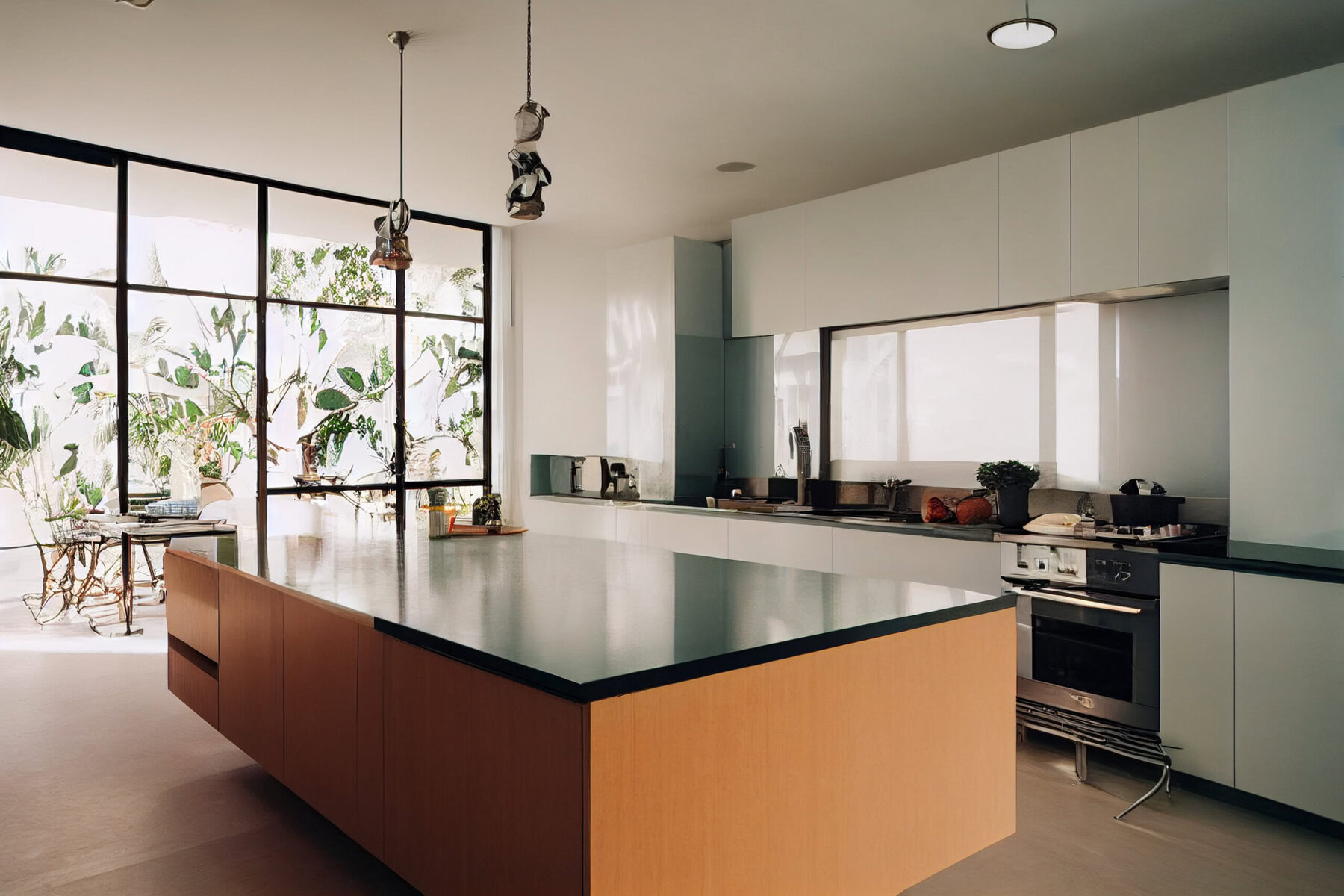
It’s the joy of a kitchen that becomes the heart of your home. It’s the peace of a bathroom that feels like a daily retreat. It’s the pride of a commercial space that perfectly reflects your brand. That’s the transformation we live for at Trusst Construction. If you’re in the Miami area and those daydreams are starting to feel urgent, let’s have a real conversation. We’d love to help you build not just a better space, but a better life in it.
People Also Ask
To identify your color palette, start by examining your home’s fixed elements, such as flooring, cabinetry, and countertops. Pull a base tone from these permanent features, then select a wall color that is two to three shades lighter for a cohesive flow. For a professional result, use the 60-30-10 rule: 60% dominant wall color, 30% secondary upholstery or cabinetry, and 10% accent hues from accessories or trim. Test samples on large boards and view them in morning and afternoon light, as Miami’s intense sun shifts undertones dramatically. If you are renovating in Miami Beach or Hialeah, Trusst Construction can help you coordinate finishes, ensuring your palette aligns with both your style and the architectural character of your home.
The four primary types of color palettes used in design and construction are monochromatic, analogous, complementary, and triadic. A monochromatic palette uses variations in lightness and saturation of a single hue, creating a cohesive and calming effect. An analogous palette combines colors that are adjacent on the color wheel, such as blue, blue-green, and green, offering a harmonious and natural look. A complementary palette pairs colors opposite each other, like blue and orange, to create high contrast and visual energy. Finally, a triadic palette uses three evenly spaced colors, such as red, yellow, and blue, for a vibrant yet balanced scheme. For professional interior selections, Trusst Construction recommends testing these palettes under natural Miami light to ensure the final finish meets your expectations.
Beauty in a color palette is subjective, but certain combinations consistently evoke elegance and harmony. Classic palettes like soft neutrals (warm beige, cream, and greige) paired with deep charcoal or navy offer a timeless, sophisticated feel. Alternatively, a nature-inspired palette of sage green, dusty blue, and terracotta creates a serene, organic atmosphere. For a more dramatic look, consider a monochromatic scheme using varying shades of a single hue, such as deep emerald to pale mint, which provides visual interest without clashing. Ultimately, the most beautiful palette is one that aligns with the space’s purpose and lighting. At Trusst Construction, we often recommend testing colors in natural light before committing, as the same palette can look entirely different from morning to evening.
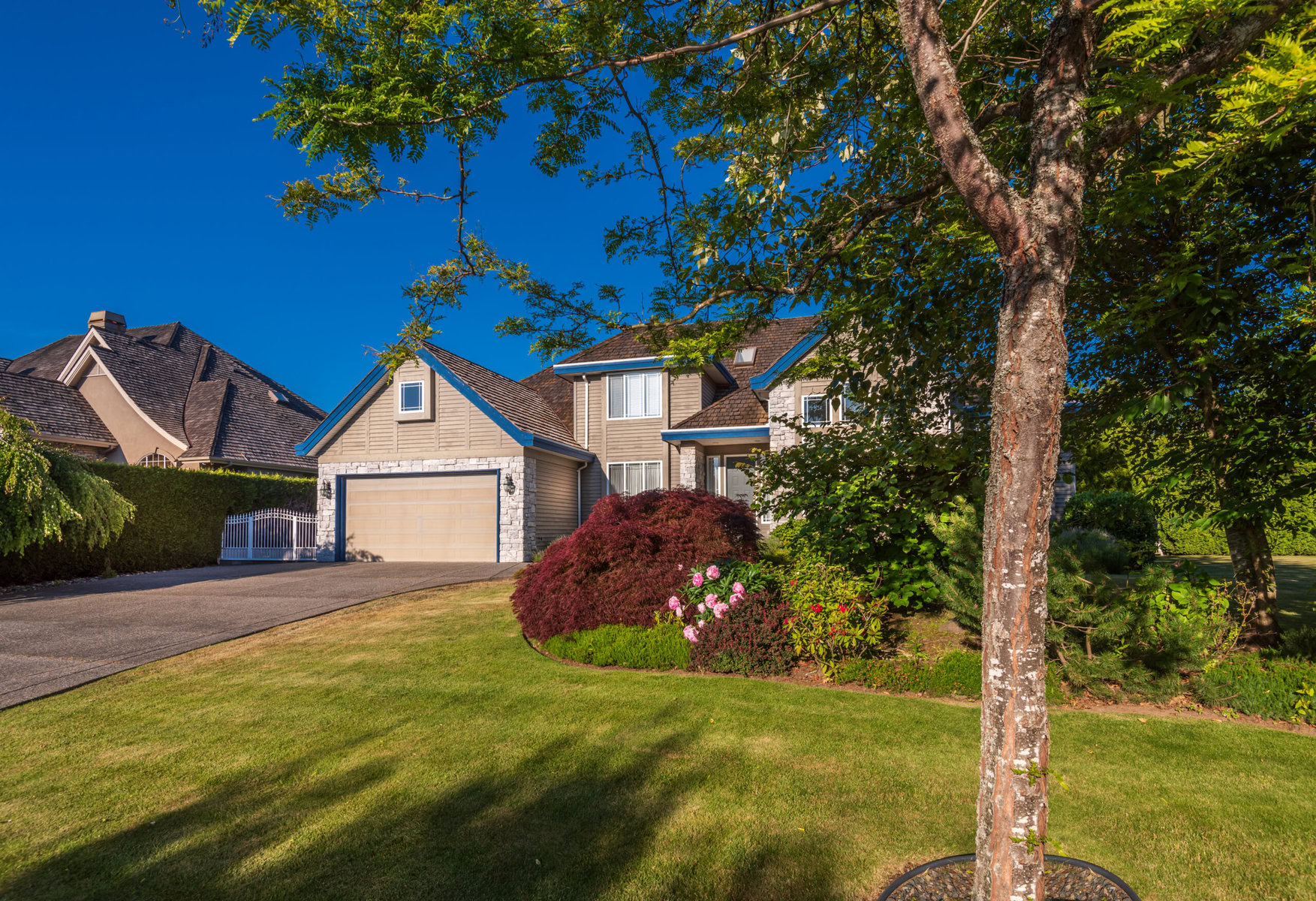
For a construction or renovation project in Miami, Miami Beach, or Hialeah, your color palette should reflect the subtropical climate and architectural styles. Coastal white, soft sand, and warm terracotta tones work beautifully for exteriors, resisting heat while complementing the landscape. For modern interiors, consider pairing crisp white walls with charcoal or navy accents for a clean, sophisticated look. If you prefer a tropical vibe, use sage green or dusty blue as a base, then add pops of coral or sunny yellow through decor. Always test samples in natural light before committing, as the intense Florida sun can alter how colors appear. For professional guidance on selecting durable, fade-resistant paints, Trusst Construction can help you navigate these choices.
In color psychology, palettes are powerful tools that shape perception and mood in a space. Warm tones like reds, oranges, and yellows evoke energy, passion, and appetite, making them ideal for social areas like kitchens or living rooms. Cool colors such as blues, greens, and purples promote calm, focus, and serenity, which work perfectly for bedrooms or home offices. Neutral palettes of whites, grays, and beiges offer a timeless, clean backdrop that enhances natural light and allows for flexible decor. At Trusst Construction, we recommend considering the function of each room before selecting a palette, as the right hues can significantly influence how comfortable and productive you feel in your Miami home.
Choosing the right color palette is crucial for both aesthetics and functionality. For exterior work in Miami, Miami Beach, and Hialeah, we recommend light, reflective hues to combat heat. A popular coastal scheme uses a warm white like #F5F5F0 for the main body, paired with a soft seafoam accent such as #A8C3B8 for trims. For a more modern look, consider a greige base like #D6CFC7 with deep charcoal accents (#2E2E2E) for doors and shutters. Always test paint samples on your actual surface, as sunlight and stucco texture will alter the appearance. Trusst Construction advises that proper surface preparation is the true key to making any hex code look its best.
For residential and commercial projects in Miami, Miami Beach, and Hialeah, seasonal color palettes are less about temperature shifts and more about light and humidity. In the high-sun summer, opt for cool, light-reflective hues like soft whites, pale grays, and seafoam greens to reduce heat absorption and glare. During the milder winter months, richer, warmer tones such as terracotta, deep navy, and olive can add cozy contrast without overwhelming the space. Always consider the intense UV exposure; high-quality, fade-resistant paints are essential. At Trusst Construction, we recommend testing samples in your actual lighting conditions before committing, ensuring your palette feels cohesive year-round.