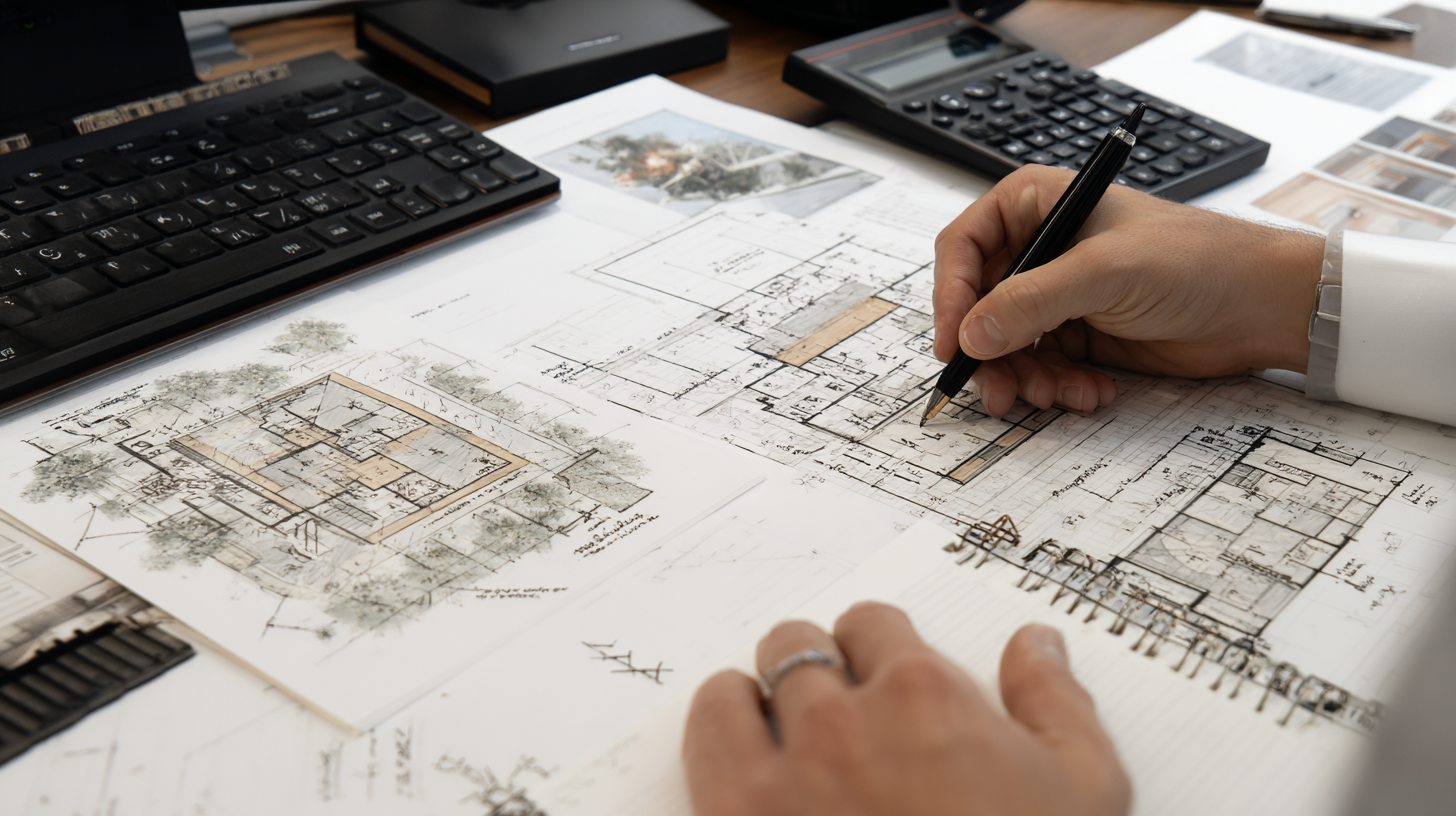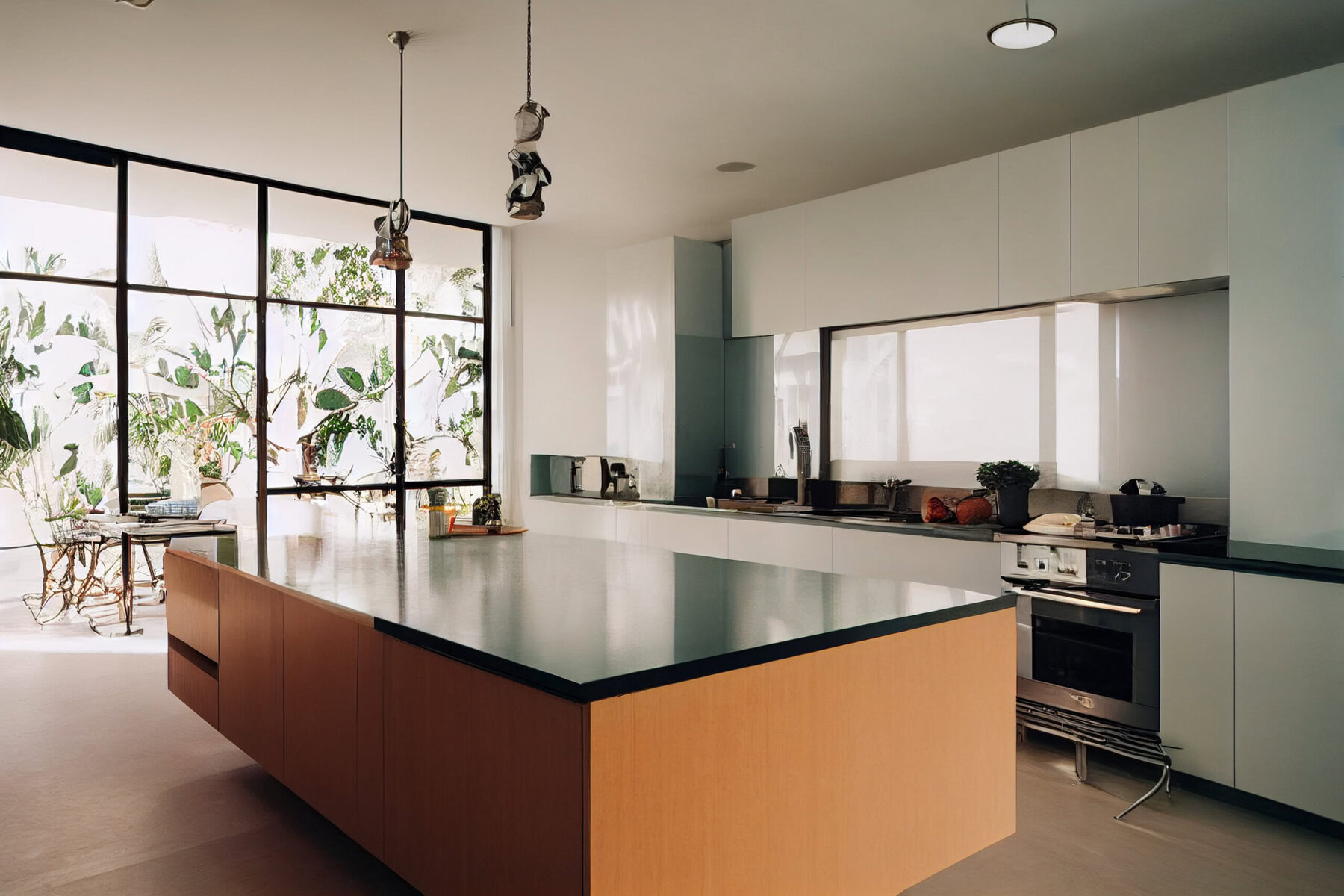

Ever stared at a cracked tile in your bathroom and thought, “I can’t live like this anymore”? Or maybe you’ve dreamed of knocking down a wall to finally get that open-concept kitchen you see on all the shows. We get it. We’ve been there, both as homeowners and as the folks who get called to fix the… enthusiastic DIY attempts. Let’s be real: remodeling your space is equal parts thrilling and terrifying. Where do you even start? Do you need a bathroom remodeler, a renovation contractor, or a full home remodel maestro? And let’s not even get started on budget anxiety. Today, we’re pulling back the curtain on the whole process. Consider this your friendly, no-BS guide to transforming your home without losing your mind or your life savings.
Table of Contents
So, You’ve Decided to Remodel. Now What?
First off, take a deep breath. Deciding to change your space is a big step, and it’s normal to feel a mix of excitement and sheer panic. The single most important decision you’ll make isn’t about paint swatches or faucet finishes—it’s about who you hire. This isn’t the time to call your cousin’s friend who “knows a thing or two about construction.” You need a professional.
Think of it this way: you wouldn’t let an amateur perform surgery on you, right? Your home deserves the same respect. A true general contractor or best remodeling company acts as the conductor of your renovation orchestra. They manage the subs, the schedule, the permits, and the 10,000 tiny decisions that pop up daily. In Miami, where building codes can be as complex as our traffic patterns, this is non-negotiable. A seasoned construction company like ours, Trusst Construction, navigates this maze every day so you don’t have to.
The Great Debate: DIY vs. Pro
We love a good DIY project. Building a bookshelf? Go for it. Painting an accent wall? Have at it. But when it comes to structural changes, electrical, plumbing, or anything that requires a permit, the romance with DIY dies a quick death.
Here’s the honest comparison:
- The DIY Path: Seems affordable upfront. You buy materials, you watch tutorials, you spend your weekends covered in dust. The cost? Your time, your sanity, and the very high probability of a mistake that a pro will have to fix later for double the price. We’ve seen it. It’s not pretty.
- The Professional Path: Has an actual, transparent price attached from the start. It includes expertise, insurance, warranties, and a finished product that’s done right. The cost is in your budget; the value is in your peace of mind.
For anything beyond cosmetic updates, hiring a house remodeling contractor isn’t an expense; it’s an investment that protects the value of your biggest asset. FYI, that’s our professional opinion, but also just common sense 🙂
Breaking Down the Types of Remodeling Services
“Remodeling” is a giant umbrella. Let’s get specific about what you might actually need, because searching “home remodeling services” can get you everything from a handyman to a high-end architect.
The Heart of the Home: Kitchen & Bath Revamps
Why These Rooms Are King (and Queen)
Kitchens and bathrooms sell houses. They’re also the most complex rooms to renovate due to the dense concentration of plumbing, electrical, and cabinetry. A specialist bathroom remodeler or kitchen designer brings functionality to the forefront. It’s not just about making it pretty; it’s about making it work for your life. Poor layout planning is the number one regret we see, and it’s a tough one to fix after the fact.
Growing Your Footprint: Additions & Full Overhauls
Maybe you need more space, but moving isn’t an option. Residential home additions or a full home remodel are major undertakings. This is where your choice of general contractor is critical. They’ll manage the foundation work, the roofing tie-ins, ensuring the new space feels seamless with the old. It’s a big project, but the payoff—a home that truly fits your family—is unmatched.
Not Just Homes: The Commercial Side
Guess what? The chaos of remodeling isn’t exclusive to houses. If you’re a business owner, an office refurbishment or build-out can feel ten times more stressful because your revenue is on the line. A commercial contractor understands the need for minimal disruption, strict timelines, and designs that reflect your brand. At Trusst Construction, we handle both sides of the fence, and IMO, a smooth commercial project requires military-level precision in planning.
Your Budget Blueprint: Getting Real About Costs
Let’s talk money. It’s the least fun but most crucial part. The question “How much will it cost?” has about a million answers. Instead of giving you a useless range, let’s look at what influences the final price.
| Factor | What It Means For Your Budget | Our Pro Tip |
|---|---|---|
| Scope of Work | Cosmetic refresh vs. gut job. Moving walls and plumbing lines costs significantly more. | Define your “must-haves” vs. “nice-to-haves” early. It creates a clear framework for your renovation contractor. |
| Material Selection | Off-the-shelf cabinets vs. custom. Standard tile vs. imported marble. This is where budgets balloon. | Invest in timeless, durable materials for permanent items (cabinets, countertops). Have fun with trends in easily changed elements (paint, hardware). |
| Labor & Expertise | Skill costs money. A master tile setter charges more than a helper, but the result is flawless. | Never, ever choose a contractor based on the lowest bid alone. You’re paying for skill, management, and problem-solving. |
| Unforeseen Issues | Opening a wall and finding faulty wiring or mold. It happens more often than you’d think. | A reputable company like ours builds a contingency (usually 10-20%) into the budget for exactly these scenarios. No nasty surprises. |
The goal is to find a remodeling partner who is transparent. At Trusst Construction, we believe in detailed, fixed-price proposals after a thorough assessment. No guessing games.
Why Picking the Right Partner Changes Everything
You’ve done your homework, you have a rough budget. Now, how do you choose? Anyone can have a shiny truck and a nice website. Look for these real signs of a best remodeling company:
- They Listen More Than They Talk. Are they asking about how you live, or just selling you a package?
- Communication is Clear and Consistent. You should have a single point of contact, not a game of phone tag with ten different people.
- Their Portfolio is Diverse and Their References are Solid. Don’t just look at the pictures; call the past clients. Ask about the experience, not just the result.
- They’re Licensed, Insured, and Pull Permits. This is the bare minimum, but you’d be shocked how many skip it. In Miami, this is your only protection.
We built Trusst Construction on this exact philosophy. We’re not just builders; we’re translators. We take your vision, your worries, and your budget, and we translate them into a built reality. We manage the stress so you can enjoy the transformation. If that sounds like the kind of partnership you’re looking for, give us a call. Let’s see if we’re the right fit to bring your ideas to life.
Your Burning Remodeling Questions, Answered
Q1: How long will my renovation actually take?
Honestly? Longer than you hope, but shorter than you fear if planned well. A bathroom might take 3-6 weeks. A kitchen, 6-12 weeks. A full addition? Several months. The key is a realistic schedule upfront with built-in buffer time for material delays (which are guaranteed in today’s world). A good contractor will update you weekly.
Q2: Can I live in my home during the remodel?
For smaller projects like a single bathroom remodel, usually yes, but it’ll be inconvenient. For a full home remodel or major kitchen renovation, we often recommend finding temporary digs. The dust, noise, and lack of a functional kitchen or bathroom are major stressors. It’s a cost worth considering in your overall budget.
Q3: How do I handle payments?
Run from any contractor who demands more than 10-15% upfront. A standard schedule is tied to project milestones: a deposit to start, payments at defined completion points (e.g., framing signed off, drywall up), and a final payment only when you’re completely satisfied. This aligns everyone’s interests.
Q4: What’s the biggest mistake homeowners make?
Changing their mind mid-stream. It’s called “scope creep,” and it’s the arch-nemesis of budgets and timelines. Get all your decisions (tile, paint, fixtures) locked down before the sledgehammer swings. A little planning paralysis at the start saves a world of change orders and delays later.
So, there you have it. Remodeling is a journey—a messy, noisy, sometimes frustrating, but ultimately incredibly rewarding journey. It’s about more than new drywall and flooring; it’s about creating a space that makes you smile when you walk in the door. Do your research, set a realistic budget, and choose a partner you actually trust to guide you through it. And if you’re near Miami and want to chat with a team that treats your home like it’s their own, you know who to call. Let’s build something amazing together.
People Also Ask
The 3 color rule is a foundational guideline in interior design, suggesting that a cohesive palette should be limited to three main hues. Typically, this breaks down to a dominant color covering about 60% of the room (walls, large furniture), a secondary color for 30% (upholstery, rugs), and an accent color for the remaining 10% (decor, pillows). This structure creates visual balance and prevents the space from feeling chaotic. While it is a rule, it is meant to be a starting point, not a strict law. Variations in shade, tone, and texture within those three colors add depth. For professional execution in Miami, Miami Beach, or Hialeah, Trusst Construction often advises clients to select their 60% base first, as it sets the entire mood of the space.
The 7 primary color schemes are Monochromatic, Analogous, Complementary, Split-Complementary, Triadic, Tetradic (Double Complementary), and Achromatic. A monochromatic scheme uses variations in lightness and saturation of a single hue. Analogous schemes use colors next to each other on the color wheel, creating harmonious and serene designs. Complementary pairs, like blue and orange, offer high contrast and vibrant energy. Split-complementary uses a base color plus the two colors adjacent to its complement, softening the contrast. Triadic schemes use three evenly spaced colors for a balanced, rich palette, while tetradic uses four colors forming a rectangle for complex, bold compositions. Finally, achromatic schemes rely solely on blacks, whites, and grays. For professional application in your Miami or Hialeah project, Trusst Construction recommends selecting a scheme based on the desired mood and architectural style, ensuring cohesive visual flow.
For Florida homes, especially in Miami, Miami Beach, and Hialeah, the best colors balance heat reflection with coastal aesthetics. White, soft beige, and light gray are excellent for exteriors as they reflect sunlight and reduce cooling costs. For a tropical pop, consider pastel blues, seafoam green, or warm sand tones, which harmonize with the ocean and palm trees. Dark colors absorb heat and can fade quickly under intense UV rays, so use them only for accents like shutters or front doors. For interiors, light, airy shades like off-white, pale yellow, or aqua help spaces feel cooler and brighter. At Trusst Construction, we recommend pairing a light neutral base with a bold, moisture-resistant trim to ensure durability and timeless curb appeal.
When selecting a palette for dining spaces, design professionals generally advise against using dark, moody colors like deep charcoal, black, or overly saturated navy as the primary wall color. These hues absorb light, making the room feel smaller and more cave-like, which can suppress appetite and hinder lively conversation. Instead, opt for warm, inviting tones such as soft terracotta, sage green, or warm beige, which stimulate digestion and create a cozy atmosphere. If you love a bold shade, use it as an accent wall or on cabinetry rather than all four walls. For expert guidance on balancing color psychology with your Miami home's natural light, Trusst Construction can help you refine your vision.
For a South Florida restaurant, the key is balancing vibrant energy with cool, calming relief from the heat. Simple, effective schemes often draw from the ocean and sky. Consider a base of crisp white or warm sand beige, paired with accents of aqua or seafoam green. This creates an airy, coastal feel that never feels dated. Alternatively, a palette of soft coral and terracotta against deep navy adds warmth without overwhelming the space. Use natural textures like light woods and rattan to soften the look. Avoid heavy, dark colors that absorb heat and make a room feel smaller. At Trusst Construction, we recommend testing large paint swatches in natural daylight, as Miami’s intense sun can dramatically shift how colors appear throughout the day.
For South Florida restaurant interiors, the modern palette moves away from heavy tropical themes toward light, airy, and coastal-modern aesthetics. Think warm whites, soft sand tones, and pale greige as your base, paired with deep teal or navy for contrast. To capture the Miami energy, incorporate vibrant accents like coral, terracotta, or citrus yellow in upholstery or art. Natural materials are key: light oak wood, rattan, and limewash plaster add texture while keeping the space cool and inviting. Since the sun is intense, use sheer linen curtains and matte finishes to reduce glare. This approach creates a sophisticated, breezy atmosphere that appeals to both locals and tourists. If you are planning a renovation, Trusst Construction can help you balance these color choices with durable, humidity-resistant materials.
For a South Florida restaurant, small color schemes should embrace the coastal environment while avoiding a washed-out look. Opt for a warm white or soft sand as your base to reflect natural light and make the space feel larger. Pair this with a deep teal or aqua accent for a nod to the ocean, but use it sparingly on banquettes or a feature wall. To add warmth and appetite appeal, incorporate terracotta or a burnt orange in textiles or artwork. These earthy tones contrast beautifully with the humidity and bright sun. At Trusst Construction, we recommend testing paint swatches in your actual lighting, as Miami's intense sunlight can dramatically shift how colors appear throughout the day.
For South Florida restaurant interiors, the best color schemes embrace the vibrant, coastal environment while managing intense sunlight. Opt for a palette of crisp whites, warm sand tones, and soft aqua or seafoam greens to create an airy, breezy atmosphere that feels naturally cool. To add energy, incorporate bold tropical accents like coral, tangerine, or deep teal in upholstery or feature walls. Avoid dark, heavy colors that absorb heat and make spaces feel smaller. Instead, use light-reflecting finishes and natural textures like light wood or rattan. These hues not only enhance the dining experience but also withstand the humid climate. At Trusst Construction, we recommend testing samples in your specific Miami, Miami Beach, or Hialeah location to see how the light changes your chosen palette throughout the day.
For a South Florida restaurant interior in 2022, the focus was on creating a fresh, coastal-modern aesthetic that embraces the region's vibrant energy. Popular palettes moved away from stark whites toward warm, sun-bleached neutrals like sand, terracotta, and soft beige, paired with deep botanical greens to evoke the lush tropical landscape. Accent colors drew from the ocean, using vivid coral, turquoise, and sunny yellow to add a lively, Instagram-worthy pop. To balance the intense natural light, designers often used matte finishes and natural textures like rattan, limewash, and raw wood. If you are planning a renovation, Trusst Construction can help you select durable, fade-resistant materials that keep those 2022 color trends looking sharp for years, ensuring your space feels both stylish and welcoming.