




We hired Trusst Construction to renovate the bathroom in my mom’s home in Hollywood and they did a great job. Everything was smooth, communication was easy, and the bathroom came out beautiful. My mom is very happy. Definitely recommend them.


Their design ideas helped bring our vision to life in a way we would not have thought of ourselves. They kept everything simple to understand and guided us through each step. The final result feels balanced and well thought out.

Josh did an amazing job renovating our bathroom and kitchen. He was attentive to every detail and ensured everything was flawless. Trusst Construction exceeded our expectations!

Working with a reliable remodel contractor made the whole experience stress free. The team kept the schedule tight and respected our time. Questions were answered quickly and clearly. The finished work looks clean and solid.

We recently hired Trusst Construction for a full bathroom remodel and new flooring installation in our home in Miami, and we couldn’t be happier with the results.
From the very beginning, the communication was outstanding. Gil, who was our project manager, kept us informed every step of the way. He was always available to answer questions, explain the process, and make sure we felt comfortable with every decision. That level of transparency really made the entire experience stress-free.
One thing that truly stood out was the cleanliness throughout the remodel. Remodeling can get messy, but the team at Trusst Construction took great care to protect our home and clean up at the end of each day. It made a huge difference in our day-to-day life while the work was being completed.
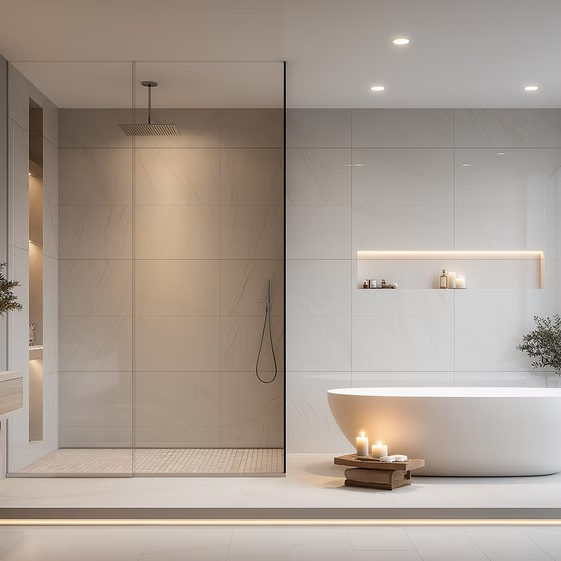
The bathroom turned out beautiful — modern, clean, and finished with high-quality craftsmanship. The new flooring throughout the house completely transformed the space and gave it a fresh, cohesive look.
If you’re looking for a reliable, professional contractor in Miami, I highly recommend Trusst Construction and Gil as your project manager. Great communication, clean job site, and excellent results.

We needed a home office separate from the main house because working remotely in Miami’s busy neighborhoods can get loud. The new accessory building is perfectly insulated and surprisingly cool even on hot afternoons. The attention to detail really stood out. They kept the job site clean and respected our property. The final result blends beautifully with our home. It feels like it was always meant to be there. Great experience overall and I highly recommend.

After last year’s hurricane season, we wanted a solid backyard structure that could stand up to Miami weather. From planning to final touches, everything felt organized and professional. They explained how the materials would hold up against heat and heavy storms. I appreciated how patient they were with our questions. The final building looks beautiful and feels incredibly sturdy. It’s now my husband’s dream workshop. I would highly recommend them to any homeowner in the area.

Living in Miami, we really needed extra space that could handle the heat and humidity. We decided to build a detached guest suite in the backyard, and the entire process felt smooth from start to finish. They paid attention to ventilation and moisture protection, which is huge down here. The crew showed up on time every day and kept everything neat despite the summer rain showers. Now our in-laws have their own comfortable space when they visit. It honestly turned out better than we imagined. Highly recommend if you’re thinking about adding extra space to your home.

Outstanding experience with Trusst Construction! The team was skilled, efficient, and extremely professional. They delivered high-quality work and ensured everything was completed perfectly. I truly appreciate their dedication and would gladly work with them again.

I recently used the services of Trusst Construction, and I couldn’t be more satisfied with the results. Their team demonstrated exceptional professionalism, attention to detail, and commitment to quality from start to finish. The project was completed on time, within budget, and exceeded my expectations. Communication was clear and consistent throughout the entire process. I highly recommend Trusst Construction to anyone looking for reliable and high-quality construction services.


Related Articles
People Also Ask
The cost to build a new custom home in Miami varies significantly based on size, location, materials, and design complexity. As a general industry standard, current construction costs typically range from $200 to $400 per square foot for a quality build. This means a 2,500-square-foot home could cost between $500,000 and $1,000,000 for construction alone, excluding land acquisition, permits, and architectural fees. High-end finishes, waterfront locations, and specialized engineering for hurricane resistance can push costs toward the higher end. For a detailed breakdown of costs and the integrated design-build process that can enhance budget control, we recommend reading our internal article, Design & Build Construction in Miami, FL.
When deciding between new construction or an existing home in Florida, key factors include budget, timeline, and personal preference. New construction offers modern energy-efficient designs, compliance with the latest building codes (crucial for hurricane resistance), and customization options, but often at a higher upfront cost and in developing areas. Existing homes typically provide established neighborhoods, mature landscaping, and quicker move-in times, but may require updates and can have higher maintenance or insurance costs. Consider Florida's climate: newer homes have enhanced features for humidity and storm protection. A thorough cost-benefit analysis, including long-term upkeep and potential hurricane mitigation expenses, is essential for this significant investment.
The Florida housing market is currently experiencing a shift, with prices showing signs of stabilization and modest declines in some areas after a period of rapid growth. While not a universal or steep crash, data indicates a cooling trend. Increased mortgage rates and insurance costs have tempered buyer demand, leading to more inventory and longer time on market. This creates a more balanced environment compared to the extreme seller's market of recent years. However, prices remain significantly higher than pre-pandemic levels, and significant drops are not predicted statewide due to strong underlying demand from migration and a limited housing supply. Market conditions vary greatly by city and property type.
Trusst Construction does not have specific public information on every project adjacent to highways like I-395 in Miami. However, the area near I-395 in downtown Miami is a major hub for large-scale development. Current and planned projects in that corridor typically include mixed-use towers with residential and commercial space, new hospitality venues, and significant infrastructure upgrades like the ongoing I-395/SR 836/I-95 redesign project known as the Signature Bridge. For precise details on a specific site, it is best to consult the City of Miami's planning and zoning department or official project announcements from major developers, as new constructions are frequently announced and breaking ground in that rapidly evolving area.
Finding a new construction home in Miami for under $400,000 is challenging but possible with strategic planning. The key is to look in emerging neighborhoods on the periphery of the city, such as parts of North Miami, Miami Gardens, or Homestead, where land costs are lower. Consider townhomes or condominiums, which are more common in this price range for new builds than single-family homes. Working with a knowledgeable real estate agent who specializes in new construction is crucial to identify upcoming developments and builder incentives. For a detailed guide on navigating this specific market, including current opportunities and financial considerations, we recommend reading our internal resource, New Home Construction in Miami, FL. It provides essential insights into achieving homeownership in Miami's competitive new construction landscape.
Finding new homes in Miami under $300,000 is a significant challenge in the current market, as this price point is well below the area's median. Your search would likely focus on smaller condominiums or townhomes in emerging neighborhoods farther from the coast, such as areas in North Miami, Little Havana, or Hialeah. It is crucial to work with a knowledgeable local real estate agent who can identify new construction projects or recently built inventory within this budget. Be prepared for potential compromises on size or amenities, and factor in homeowners association fees for condos. Diligent research and patience are essential, as such properties are in high demand and move quickly.
Finding a new construction home in Miami for under $500,000 is challenging but possible with strategic planning. The key is to look in emerging neighborhoods on the city's periphery or consider smaller floor plans, such as townhomes or condominiums. Areas like Homestead, parts of Kendall, or communities in Northwest Miami-Dade may offer new builds within this budget. It is crucial to work with a knowledgeable real estate agent who specializes in new construction to navigate builder contracts, incentives, and potential pre-construction opportunities. For a detailed guide on navigating this specific market, including current trends and area spotlights, we recommend reading our internal resource, New Home Construction in Miami, FL. Thorough research and early engagement with builders are essential for success.