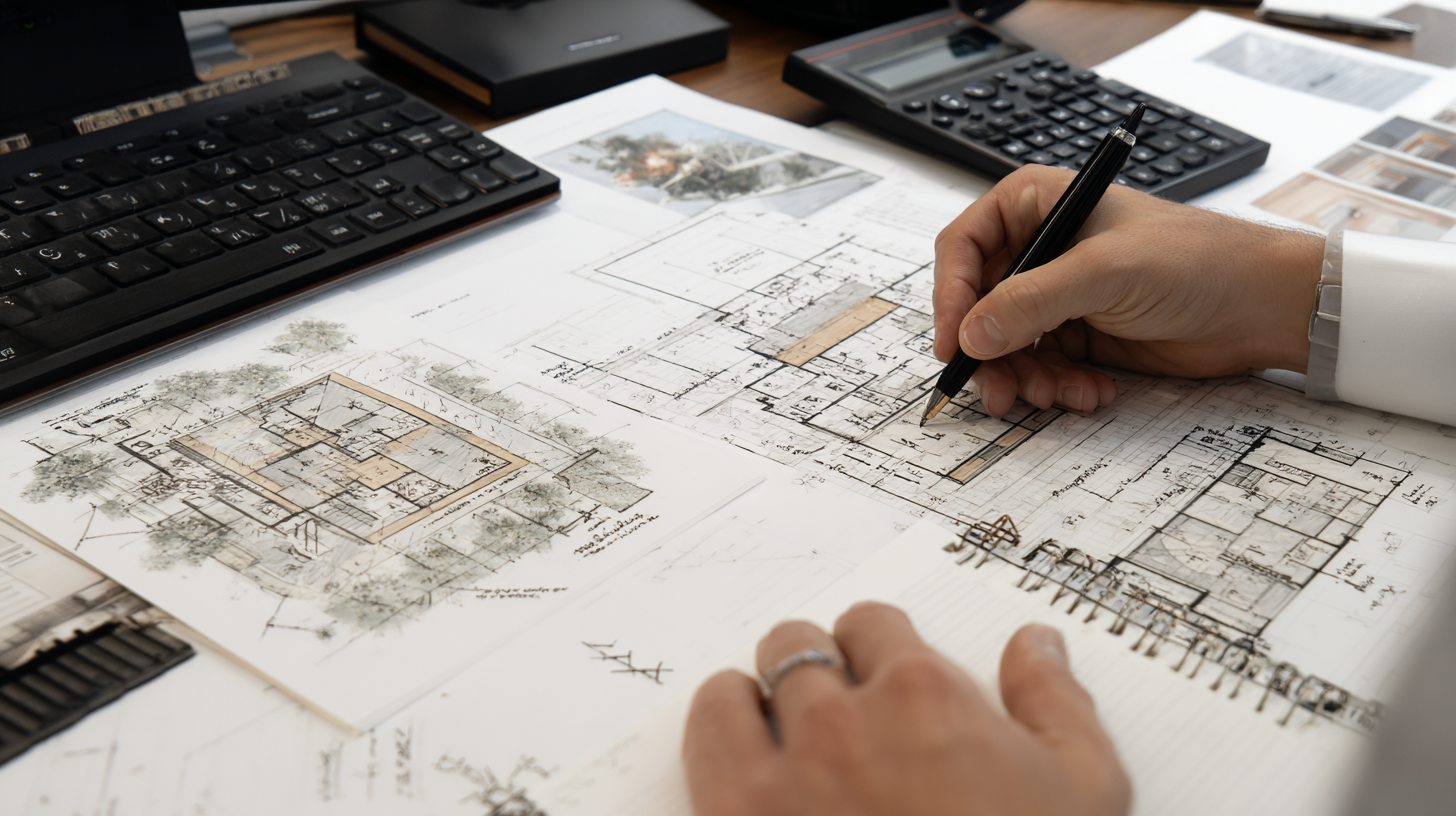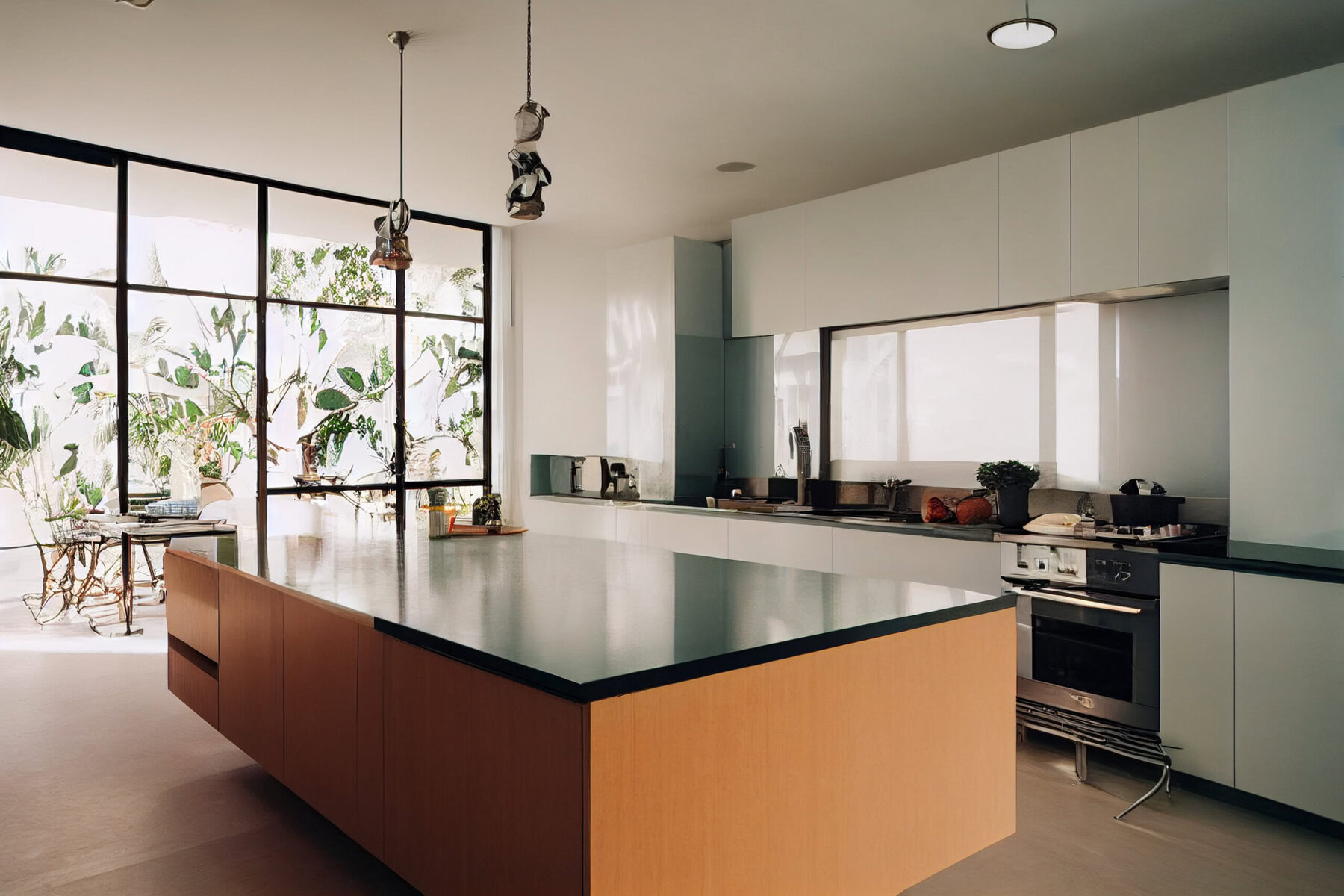

Ever stared at a cracked tile in your bathroom and thought, “I can’t live with this avocado green for one more day”? Or maybe you’ve dreamed of a kitchen that doesn’t look like it’s stuck in a 1985 time capsule. We get it. We’ve been there, both as homeowners and as the folks who get called to fix it. Let’s talk about turning that “ugh” into an “ahh” without losing our minds or our life savings. Because let’s be honest, the world of remodeling can feel like a maze where the minotaur is just a guy with a confusing estimate and a timeline written in invisible ink.
Table of Contents
Demystifying the “Cost” Conversation: It’s More Than Just a Number
First thing’s first, let’s tackle the elephant in the room: the price tag. Everyone wants their project to be affordable, but “affordable” doesn’t mean “cheap.” It means value. It means getting what you pay for without those nasty surprise fees that pop up like whack-a-moles.
When we at Trusst Construction in Miami sit down with clients, we break down costs transparently. We’re not just throwing a number at a wall. We’re talking about:
- Scope of Work: Are we moving plumbing walls or just swapping fixtures? Big difference.
- Material Choices: That hand-painted Italian tile is stunning, but there are gorgeous, durable alternatives that won’t require you to remortgage the house.
- Labor Expertise: You’re not just paying for time; you’re paying for the skill to make sure your shower doesn’t leak into the living room below. A true general contractor manages this ecosystem of trades to protect your investment.
Think of it this way: choosing the lowest bid sometimes means you’re hiring someone to learn on your dime. And nobody wants their home to be a training video. FYI, that’s a shortcut to costlier fixes down the road.
Picking Your Project Partner: Why the “Who” Matters More Than the “What”
Okay, so you’re ready. But who do you call? A bathroom remodeler? A renovation contractor? The title can be confusing. IMO, you’re looking for a partner, not just a service provider.
Here’s a quick, brutally honest comparison we often wish clients could see before they sign:
| The “Might Be Too Good to Be True” Contractor | The “True Partner” General Contractor |
|---|---|
| Provides a vague, single-number estimate. | Provides a detailed, line-item proposal. |
| Timeline is a hopeful guess. | Timeline includes a phased schedule with milestones. |
| Communication goes silent for days. | Has a clear communication protocol (apps, updates, site super). |
| You manage permits and inspections (yikes). | They handle all administrative heavy lifting. |
| Subcontractors change daily. | Works with a trusted, consistent team of specialists. |
See the difference? A best remodeling company operates like the latter. They become your guide, your advocate, and the person who sweats the small stuff so you don’t have to. That’s the ethos we’ve built Trusst Construction around. Whether it’s a full home remodel or a targeted update, having that single point of accountability is everything. It turns a stressful process into an exciting journey.
From Residential Dreams to Commercial Streams: Yes, We Do That Too
Maybe your project isn’t at home. Ever walked into your office and felt like the decor is silently screaming “productivity drain”? Office refurbishment isn’t just about new paint; it’s about crafting spaces that inspire your team and impress your clients. The same core principles apply: clear planning, skilled execution, and minimal disruption.
A great construction company can seamlessly pivot between residential home additions and commercial contractor work because good project management is universal. It’s all about understanding the goal. Is it creating the perfect family kitchen in Miami? Or building a sleek, efficient workspace that fuels growth? The toolbox might have some different specialty items, but the foundation of trust, communication, and quality is identical.
Your Game Plan: How to Start Without the Overwhelm
Feeling pumped but not sure where to begin? Don’t just start ripping out cabinets. Let’s get strategic.
- Define the “Why”: Be brutally honest. Is this for resale value, forever-home comfort, or business necessity? This guides every decision.
- Dream & Research: Collect images, but then look past the aesthetics. What about that layout works? Save ideas for functionality, not just finishes.
- Budget Realistically: Add 10-15% to your ideal number for the “oh, wow, while we’re at it” moments. They always happen 🙂
- Vet Your Team: This is the big one. Look for a house remodeling contractor with a proven track record near you. Read reviews, ask for specific project examples, and actually call references. When you talk to us at Trusst Construction, we’ll happily connect you with past clients who can tell you the real story.
- Trust the Process: Once you pick your partner, communicate openly but let them do their job. Micromanaging every nail is a fast track to frustration for everyone.
The Trusst Blueprint: How We Try to Be Different in a Noisy Market
We won’t pretend we’re the only construction company in South Florida. So why us? From our perspective, it comes down to treating your project like it’s our own. We’ve seen what happens when communication breaks down, so we over-communicate. We know budgets are sacred, so we track every dollar with precision. And because we live and work here, we understand the unique needs of Miami homes and businesses—from humidity considerations to permit timelines.
We don’t just want to be your remodeling vendor; we want to be the team you call for life. Finished your kitchen and now the bathroom is bugging you? We’re here. Office expanding next year? Let’s plan it. That’s the relationship we aim to build.
Your Burning Questions, Answered (No Fluff)
Q: How long will my bathroom remodel actually take?
A: A standard bathroom with layout changes typically takes 4-6 weeks from demolition to final clean. A powder room? Maybe 2-3. The key is the schedule your general contractor provides upfront. If they won’t give you one, that’s a red flag.
Q: Should I get multiple bids?
A: Absolutely. But compare apples to apples. If one bid is wildly lower, they are likely cutting corners on materials, labor, or insurance. The middle bid with the clearest plan and best rapport is often the goldilocks zone.
Q: Can I live in my home during a full home remodel?
A: It’s possible, but it’s a commitment. We set up temporary kitchens, seal off work zones, and maintain cleanliness. But it’s noisy and disruptive. For major full home remodel projects, if you can stay elsewhere for the heaviest phases, your sanity will thank you.
Q: What’s the biggest mistake homeowners make?
A: Changing their minds mid-stream. It’s the single biggest killer of timelines and budgets. Finalize your plans before the hammer swings. A good remodeling team will help you think through every detail upfront to avoid this.
The Final Walk-Through: Let’s Build Something Amazing
So, where does this leave us? Hopefully, feeling a bit more empowered and a lot less intimidated. Home remodeling services, at their best, are a creative collaboration. It’s about taking your vision and layering on our expertise to build something that not only looks fantastic but functions perfectly for your life.
Whether you need a bathroom remodeler to conquer that avocado green nightmare or a commercial contractor to revitalize your office, the right team makes all the difference. If you’re in the Miami area and ready to turn your property stress into success, give us a shout at Trusst Construction. Let’s have a real conversation, over coffee maybe, about what you’re dreaming up. We can’t wait to hear about it.