
Ever stared at a cracked tile in your bathroom and thought, “I can’t live like this anymore”? Or maybe you’ve wandered through your house, feeling like the floor plan belongs to a different century (because it probably does). We get it. The dream of a renovation is equal parts thrilling and utterly terrifying. Where do you even start? Do you call a bathroom remodeler, a general contractor, or just hope a handy fairy godmother appears? And let’s not even whisper the “b-word” yet… budget.
Well, take a deep breath. We’ve been in the trenches of Miami’s remodeling scene for years, and we’re here to have a real talk about turning your “what if” into “wow.” No corporate jargon, just the straight scoop from fellow enthusiasts who love a good before-and-after as much as you do.
Table of Contents
The Great Contractor Confusion: What Does Everyone Actually Do?
First thing’s first: let’s decode the titles. It’s like alphabet soup out there, and knowing who does what can save you a massive headache.
General Contractor: Think of this as the conductor of your renovation orchestra. A true general contractor manages the entire project. They hire and coordinate the plumbers, electricians, carpenters—the whole crew. They pull permits, schedule inspections, and are the single point of contact. For a full home remodel or a complex project with multiple trades, this is your go-to. It’s the difference between you trying to herd cats and having a professional cat-herder on your payroll.
Remodeling/Renovation Contractor: This term often overlaps with a general contractor, especially for residential home additions and home remodeling services. They typically handle structural changes and aesthetic updates to existing spaces. A great remoration contractor is a creative problem-solver.
Specialty Contractors (Bathroom Remodeler, etc.): These are your master soloists. They are fantastic for a single, focused project. Need a killer new kitchen or a spa-like bathroom? A dedicated bathroom remodeler lives and breathes tile, vanities, and waterproofing. But for a whole-house project, you’d need to manage them alongside other specialists.
Commercial Contractor: This is a whole different ballgame. They handle office refurbishment, retail spaces, and other business projects. The codes, materials, and timelines are a unique beast. While some firms, like ours at Trusst Construction, expertly handle both sides, you always want a team with specific experience in the type of space you’re building.
So, how do you choose? IMO, it boils down to scale and sanity. A single room? A stellar specialist might be perfect. Multiple rooms, structural work, or just wanting one neck to wring? You want a top-tier general contractor.
The Unsexy Truth: Budgeting Without the Panic Attack
Alright, let’s rip the band-aid off. The cost. We know it’s the elephant in the room, dressed in very expensive wallpaper. Everyone wants affordable work, but “affordable” shouldn’t mean “cheap and destined to fail.”
The truth is, a transparent price starts with a solid plan. The most common mistake we see? Homeowners get a number from a contractor who’s just guessing. Then, halfway through, “surprises” appear (usually in the form of rotten floor joists or ancient wiring), and the budget explodes.
Here’s our no-BS approach:
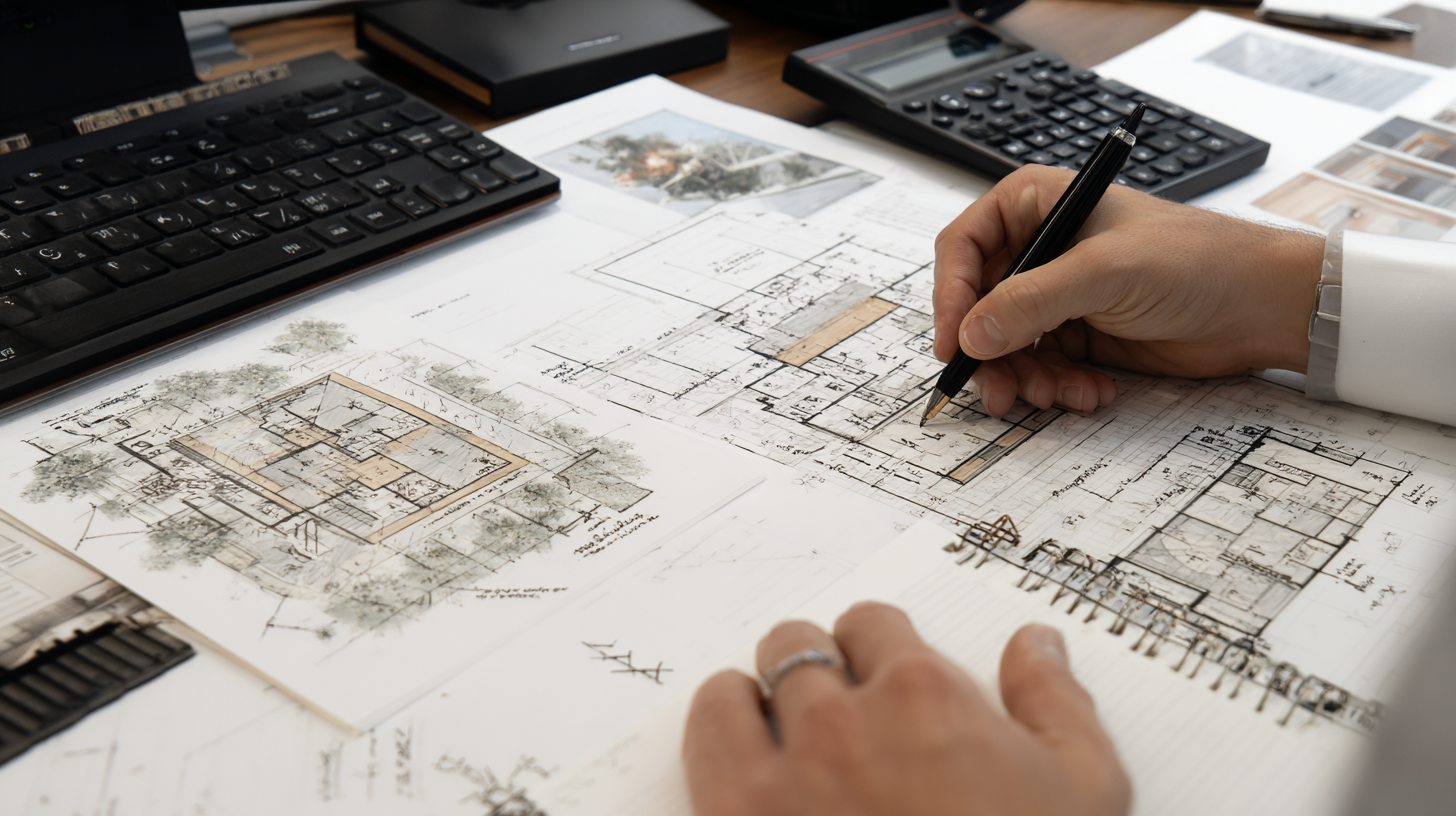
- Invest in Detailed Plans: Pay for architectural drawings and specs before you get a final bid. It’s like getting a recipe before you shop for groceries.
- The Contingency is Not Optional: Always, always have a contingency fund of 10-20% of the total project cost. This isn’t for your change of heart on faucet finishes; it’s for the genuine unknowns behind your walls.
- Understand the Value Equation: The best remodeling company isn’t the one with the lowest bid. It’s the one that provides clear communication, quality materials, proper licensing/insurance, and a track record of finishing on time. That peace of mind? Priceless.
Speaking of value, let’s break down a typical project cost structure. This isn’t a quote—every project is a snowflake—but it gives you a framework.
| Cost Category | Typical % of Budget | What It Covers | The “Watch Out For” Zone |
|---|---|---|---|
| Design & Planning | 5-15% | Architectural fees, engineering, permits, project management. | Skipping this to save money almost always costs more later. |
| Materials & Finishes | 35-50% | Lumber, concrete, drywall, tiles, flooring, cabinets, fixtures. | This is where choices directly impact price. Allowances here need careful monitoring. |
| Labor & Trades | 30-40% | Carpentry, plumbing, electrical, HVAC, painting, etc. | The biggest risk area for low-ball bids. Unlicensed labor is a massive liability. |
| Contingency | 10-20% | Unforeseen issues, minor changes, material price fluctuations. | If you don’t use it, it’s a bonus! But you must have it. |
Why Picking a Local Miami Pro Isn’t Just a Nice-to-Have
Look, Miami is… special. Our soil, our humidity, our hurricane codes, our unique mix of architectural styles—it’s not like building anywhere else. A contractor from, say, Ohio might have a great reputation, but do they know the specific wind-load requirements for a residential home addition in Coral Gables? Or how to properly mitigate moisture in a 1920s Coconut Grove home?
A local Miami construction company lives and breathes this environment. They have established relationships with inspectors, understand the permit process inside and out, and know which materials stand up to our salt air. When you work with a team like Trusst Construction, you’re not just hiring labor; you’re hiring local expertise that prevents costly, time-consuming mistakes. It’s the difference between a project that glides through inspections and one that gets stuck in permit purgatory.
Your Game Plan: From Dream to Done Without Losing Your Mind
So, you’re ready to take the plunge. Fantastic! Let’s map this out so you feel like the CEO of your renovation, not its victim.
1. The Vision Quest (Before You Call Anyone):
Gather your inspiration! Pinterest, Houzz, magazines—go wild. But then, get realistic. What’s your true need vs. your want? Prioritize. This clarity is gold when you start talking to contractors.
2. The Interview Stage:
Get recommendations, check reviews, and then meet with at least three house remodeling contractors. This isn’t a formality. You’re hiring a partner you’ll see every day for months.
- Ask to see similar completed projects.
- Verify their license and insurance. (Seriously, do not skip this.)
- Listen to how they communicate. Are they patient and explanatory, or dismissive?
3. The Paperwork (The Most Important Part):
Your contract is your shield. It should be excruciatingly detailed.
- A fixed-price contract (based on those detailed plans we talked about) is usually best for homeowners.
- A clear payment schedule tied to completed milestones, not just time.
- A defined timeline with a start date and completion date.
- Specifications for every material (make, model, color, size).
This is where a reputable partner shines. At Trusst Construction, we build this transparency into our process from day one because we’ve seen how “gray areas” in a contract only lead to gray hairs for everyone.
Okay, Let’s Address Those Nagging Questions
We hear the same things all the time. Let’s tackle them head-on.
Q1: How long will my remodeling project really take?
A: Anyone who gives you a firm timeline before assessing existing conditions is… optimistic. A small bathroom might take 4-6 weeks. A full home remodel could be 4-6 months or more. The real time-sucks? Permit approvals (especially here in Miami) and unexpected structural issues. A good general contractor builds buffer time into the schedule for these realities.
Q2: Should I live in my home during the renovation?
A: For a single bathroom or kitchen remodel, maybe—if you have a second one. For a whole-house project? We strongly advise moving out. It’s safer, less stressful for you, and often allows the crew to work more efficiently. Living in a construction zone is a fast track to marital or family counseling.
Q3: How do I handle changes once the work starts?
A: Have a formal change order process. Any change, in writing, with a stated impact on cost and timeline, signed by both parties. This stops “scope creep” from derailing your budget and keeps everyone accountable. No casual “Hey, while you’re here…” requests.
Q4: What’s the biggest mistake homeowners make?
A: Choosing a contractor based solely on the lowest bid. FYI, that low number often gets padded later with change orders, or is achieved by using inferior materials and labor. You’re not shopping for a commodity; you’re investing in a skill set and a relationship. The price is important, but the value is everything.
Wrapping This Renovation Chat Up
Phew, that was a lot, but hopefully, it demystifies the wild world of remodeling. It’s a journey of a thousand decisions, but it doesn’t have to be a nightmare. The key is knowledge, preparation, and partnering with a team that communicates like adults.
Remember, a great renovation isn’t just about new counters and floors. It’s about creating a space that truly works for your life. It’s an investment in your daily joy and your property’s future. And doing it right the first time is always, always more affordable than fixing a botched job later.
If your Miami home is whispering (or shouting) for an update, let’s have a real conversation. At Trusst Construction, whether you need a bathroom remodeler, a house remodeling contractor for a big project, or even a commercial contractor for an office refurbishment, we bring the same philosophy: clarity, quality, and a commitment to making the process as smooth as the final finish. Because you should love the journey, not just the destination.
Related Articles
Your Guide to Coral Gables Historic Home Renovation: How We Preserve Character, Add Value, and Navigate City Codes Without the Stress
Mixed-Use Development in Miami: Maximize Your Property Value with Trusst Construction’s Integrated Design-Build Team
People Also Ask
The purpose of 3D rendering is to transform a digital wireframe or 3D model into a lifelike, two-dimensional image or animation. In construction and architecture, this process is vital for visualizing a project before a single foundation is poured. It allows clients, investors, and contractors to see the final result, including materials, lighting, and spatial flow, which helps in making informed decisions early. This clarity reduces costly errors and change orders during the build. At Trusst Construction, we use 3D rendering to bridge the gap between concept and reality, ensuring our clients in Miami, Miami Beach, and Hialeah fully understand the design intent before we start, leading to smoother approvals and a more satisfying final outcome.
The three primary types of rendering in construction are wet render, monocouche render, and insulated render. Wet render is the traditional method, mixed on-site using cement, lime, and sand, offering excellent durability and a cost-effective finish. Monocouche render is a pre-mixed, through-colored material applied in a single coat, providing a consistent finish and low maintenance. Insulated render systems incorporate rigid insulation boards beneath the render layer, significantly improving thermal efficiency and reducing energy costs. Each type serves distinct project needs, from aesthetic appeal to energy performance. For expert guidance on selecting the right render for your Miami, Miami Beach, or Hialeah property, Trusst Construction can provide tailored solutions that withstand local humidity and heat.
Rendering in 3D modelling is the computational process of converting a 3D scene, complete with geometry, lighting, and textures, into a final 2D image or animation. This step simulates how light interacts with surfaces to produce realistic shadows, reflections, and color. For architectural projects, rendering is essential for visualizing a design before construction begins, allowing clients to see materials and spatial flow clearly. At Trusst Construction, we use high-quality renders to refine design choices and communicate intent, ensuring the final built structure matches the visual promise. The process can be real-time or offline, with the latter offering higher fidelity for detailed presentations.
The five primary rendering techniques in construction are float, trowel, sponge, scraped, and textured finishes. Float rendering involves applying and leveling the mortar with a wooden or plastic float, creating a smooth, dense surface. Trowel rendering uses a steel trowel for an extremely flat, polished finish, ideal for high-end interiors. Sponge finishing creates a fine, open texture by pressing a damp sponge over the fresh coat, which is excellent for hiding imperfections. Scraped finishes involve dragging a straight edge or serrated tool across the wet render to produce a rustic, linear pattern. Finally, textured finishes, such as dashed or thrown, use specialized tools to create decorative aggregates. For expert application of any of these methods in Miami, Miami Beach, or Hialeah, Trusst Construction ensures each technique is tailored to your project's climate and aesthetic needs.
For architectural visualization, popular 3D rendering software includes Blender (open-source and free), Autodesk 3ds Max, SketchUp with V-Ray, and Lumion for real-time rendering. When selecting a tool, prioritize compatibility with your CAD files and the level of photorealism required. For residential projects in Miami, Miami Beach, and Hialeah, we often recommend a workflow that pairs SketchUp for modeling with V-Ray or Enscape for quick client presentations. While the software is crucial, the final output depends heavily on lighting and material settings. At Trusst Construction, we use these tools to preview finishes and spatial flow before breaking ground, ensuring your vision is crystal clear before any physical work begins. Always request a sample render to gauge the studio's skill level.
In the construction industry, a rendering job refers to the application of a cement, lime, or acrylic-based mixture to the exterior or interior walls of a building. This process serves both a protective and decorative function, creating a smooth or textured finish that shields the underlying masonry from weather damage and moisture ingress. The term is commonly used in residential and commercial projects, particularly for stucco or plaster finishes. A skilled renderer must prepare the surface properly, mix the materials to the correct consistency, and apply multiple coats to achieve a durable, crack-resistant result. For property owners in Miami, Miami Beach, and Hialeah, a professional rendering job can significantly enhance curb appeal and structural longevity. At Trusst Construction, we emphasize that proper curing and substrate preparation are critical to avoiding future delamination or efflorescence issues.