

Trusst built our custom home in Leland completely on schedule, and the fixed-price contract meant zero surprise expenses at closing. You won't find a smoother process in Brunswick County.


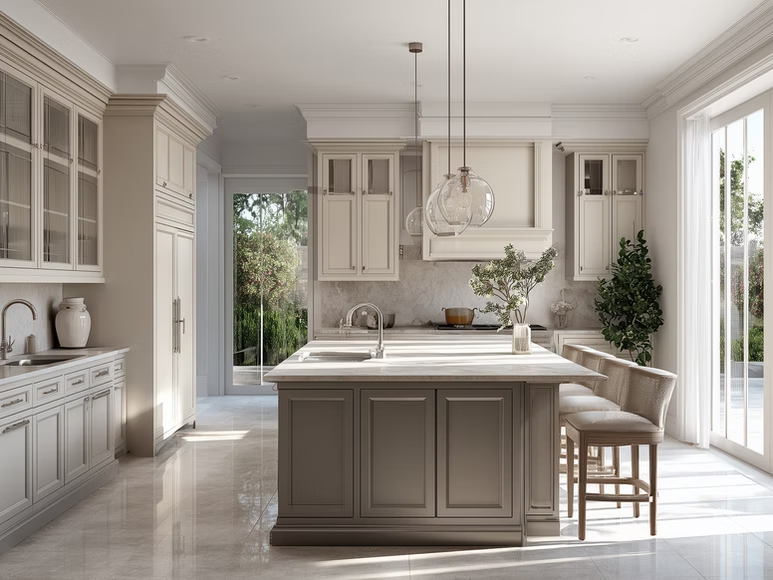
We needed our outdated Wilmington kitchen overhauled before hosting family for the holidays. Trusst gave us an exact estimate on day one, stuck to the budget, and wrapped up the work in under three weeks. Absolute professionals from start to finish.

Added a two-car garage to our property in Waterford. Trusst delivered line-item pricing before work started, hit every milestone date, and left the driveway spotless. I would hire them again in a second.

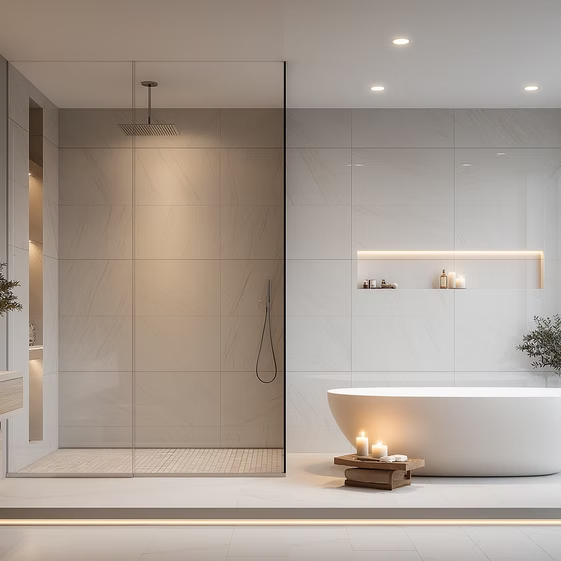
I cared most about the kitchen working for two people at once. They fixed the layout, added counter space, and put lighting where we actually need it. The bathroom remodel was secondary, but the shower and tile look just as careful. No drama on the estimate. Questions got answered the same day. That’s rare.

Bathroom came out great. Walk-in shower, new vanity, good lighting. Kitchen update was even better. Would hire them again.

Years of putting it off, we finally gutted the kitchen and master bath. The new layout, cabinets, and tiled shower came out better than the pictures they showed us. The crew was respectful of our schedule and left the house clean every evening. The estimate held and they took care of the punch list quickly. I strongly recommend Trusst.

Attention to the little details (hardware, grout, trim) really stood out during my bathroom remodel. Project stayed organized and they cleaned up properly every evening. Recommend them without reservation.

We needed a kitchen update and a complete bathroom renovation in a smaller home. They maximized the space without making it feel crowded. Cabinets, counters, and tile all look custom. Comm was clear from start to finish and there were no last-minute extras.

Craftsmanship, communication, and cleanliness were all better than previous contractors we’ve used. Finished on time and exactly as quoted. Already planning the next project with them.

Exellent Work, Very good Company.
Exellent Management from Shay and Gili.
Thank you very much for everything.
I would take this Company again and again.

People Also Ask
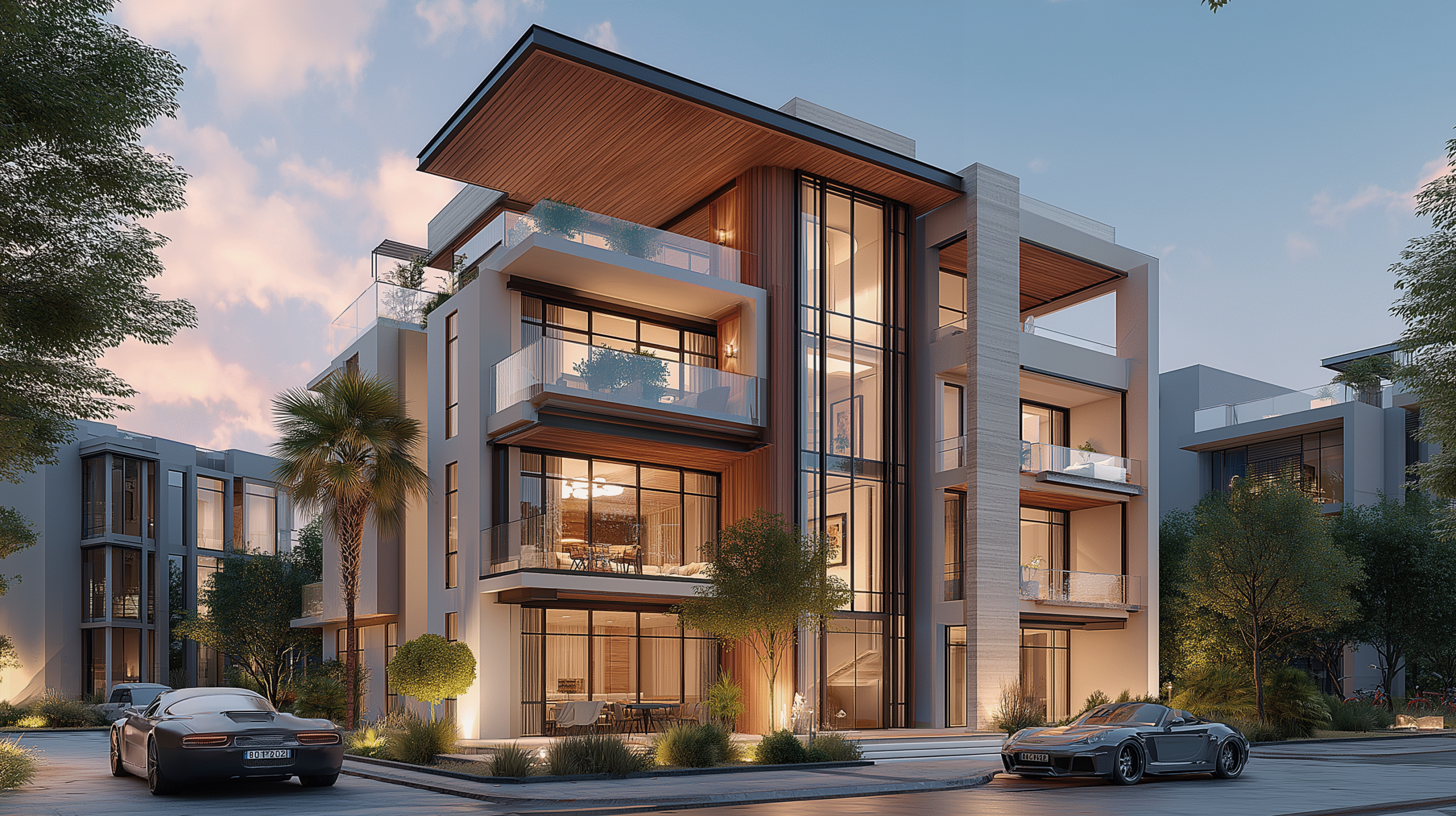
Multi-family construction refers to the design and building of residential structures that house multiple separate families within a single building or complex. This category includes apartment buildings, condominiums, townhouses, and duplexes. Unlike single-family homes, these projects require specialized planning for shared amenities, parking, utilities, and common areas. Key considerations involve structural engineering for higher occupancy loads, fire safety systems, and soundproofing between units. Zoning laws and building codes are also more complex. For those interested in this field, our internal article titled Multi-Family Construction in Brownsville, FL provides detailed insights into best practices and local regulations. Trusst Construction emphasizes that successful multi-family projects demand careful coordination between architects, engineers, and contractors to ensure durability and tenant satisfaction.
The demand for new condos in Miami is driven by a diverse mix of buyers. You will find many international investors, particularly from Latin America and Europe, seeking a stable real estate market. Additionally, domestic buyers from high-cost states like New York and California are relocating for Miami's lifestyle and tax benefits. Young professionals and remote workers are also entering the market, drawn by the city's growing tech scene and vibrant culture. For those specifically targeting Miami Beach, it is important to understand the local construction standards and timelines. For a comprehensive overview of the local market and building process, you can refer to Trusst Construction: New Home Construction & Renovation in Miami Beach, FL. Trusst Construction advises all buyers to work with a local expert to navigate the specific regulations of Miami and Hialeah.
The construction market in Miami remains dynamic, though there are signs of a measured adjustment rather than a dramatic slowdown. While rising interest rates and material costs have caused some developers to pause speculative projects, demand for residential and commercial builds continues in high-demand areas like Miami Beach and Hialeah. Permitting activity has stabilized after a post-pandemic boom, with a focus shifting toward quality renovations and custom builds. For homeowners, this period offers an opportunity to secure experienced contractors who are more available. For a deeper look at how these trends affect your project, refer to our internal article Design & Build Construction in Miami, FL. At Trusst Construction, we help clients navigate these market conditions with realistic timelines and budgets.