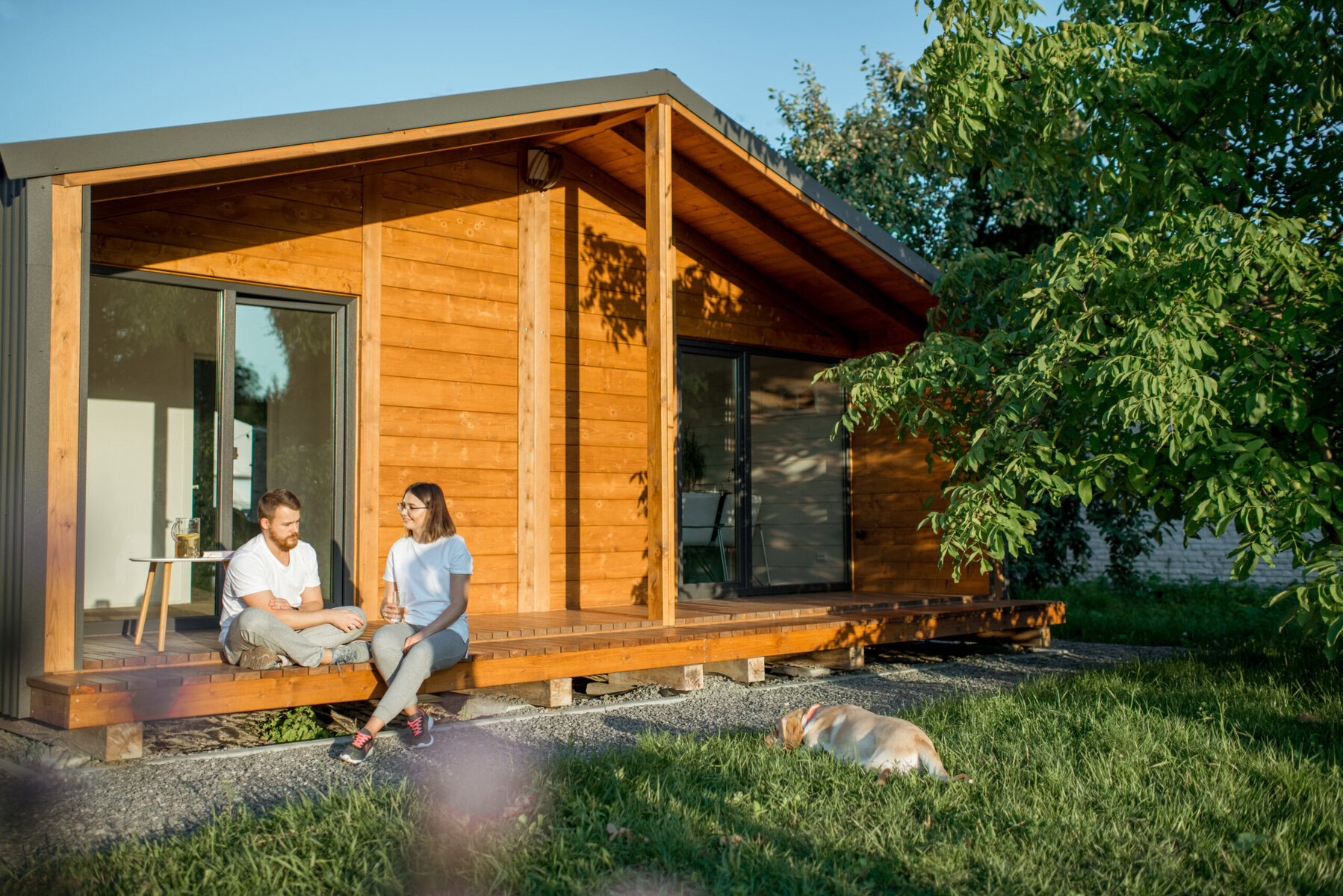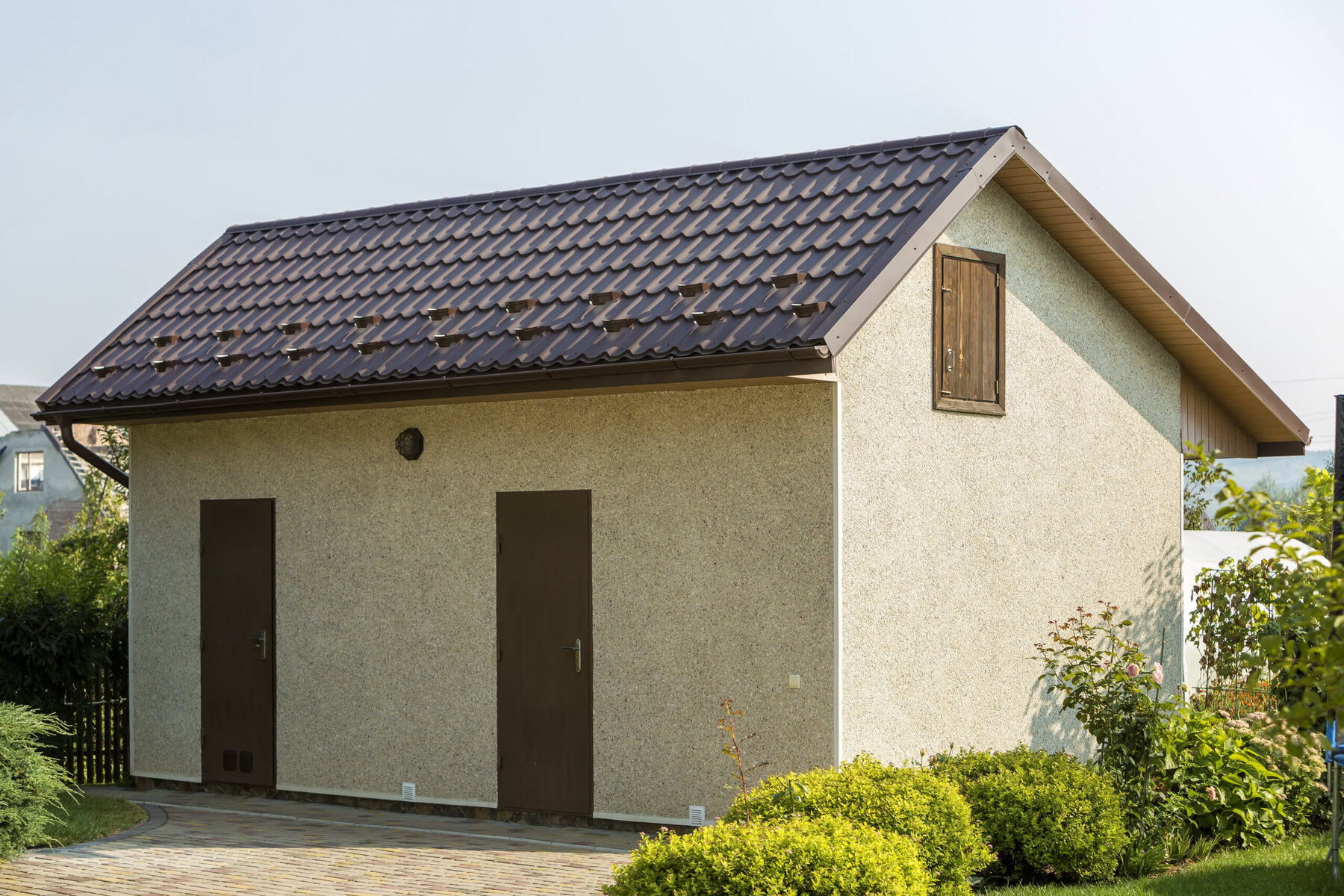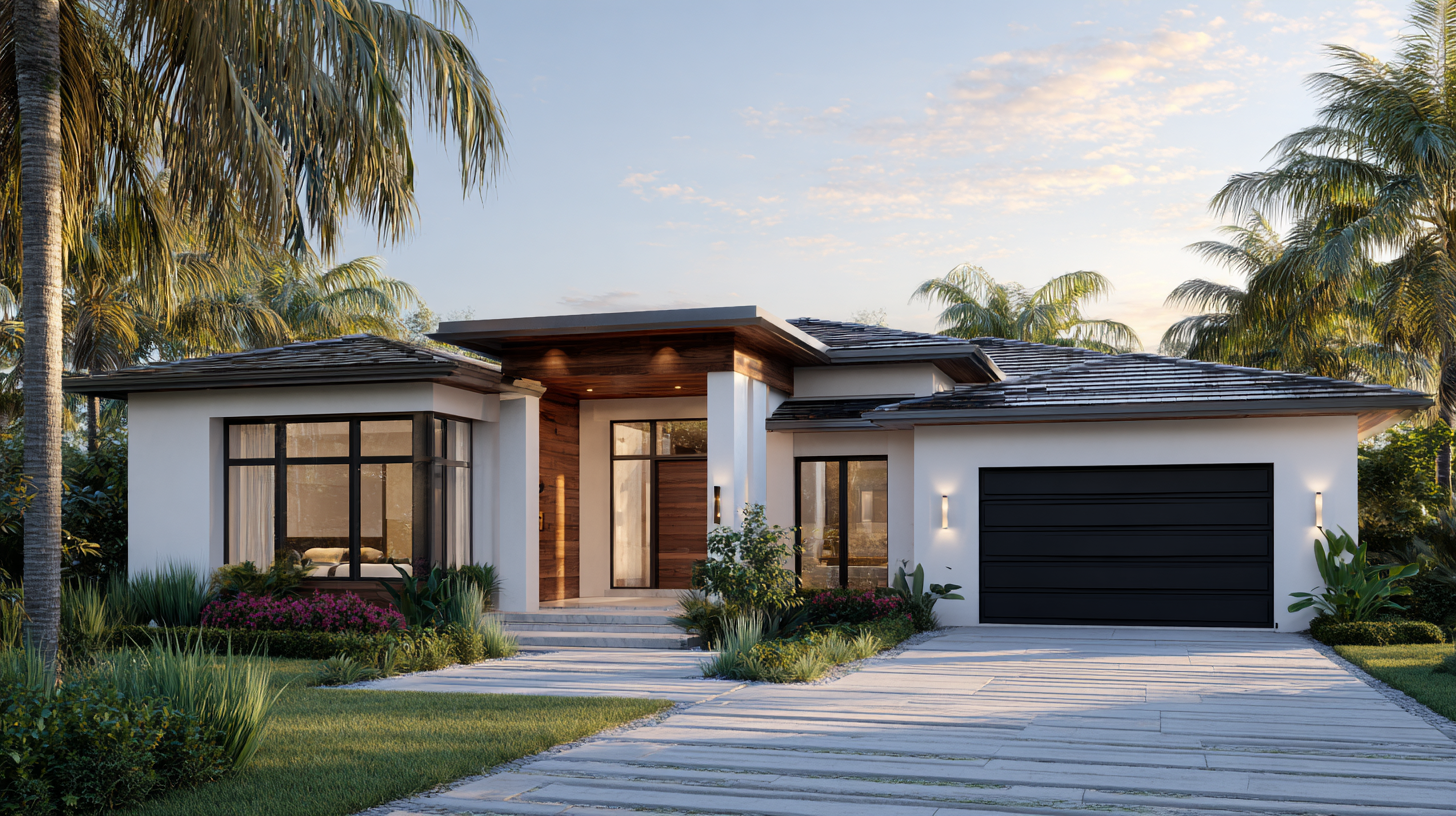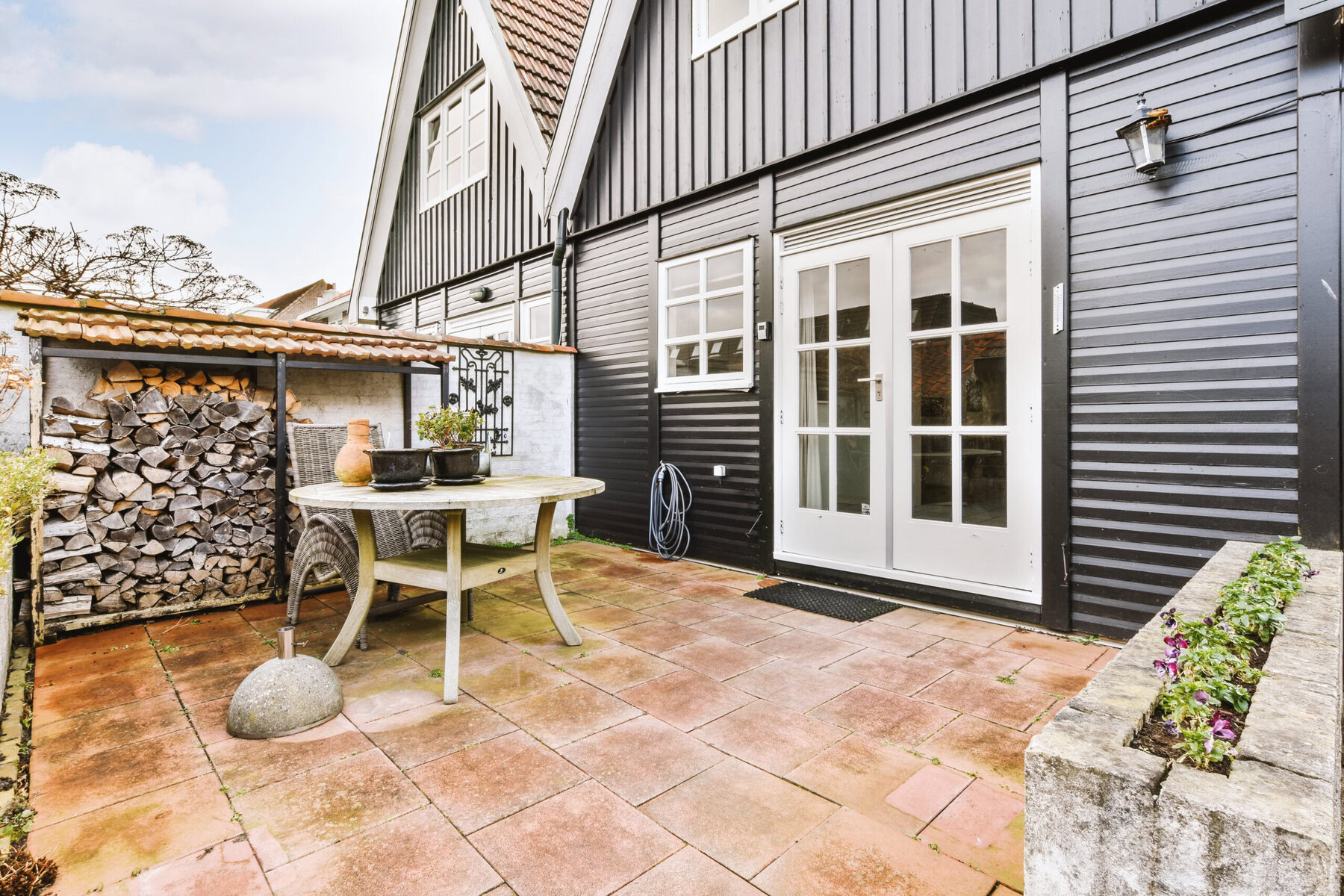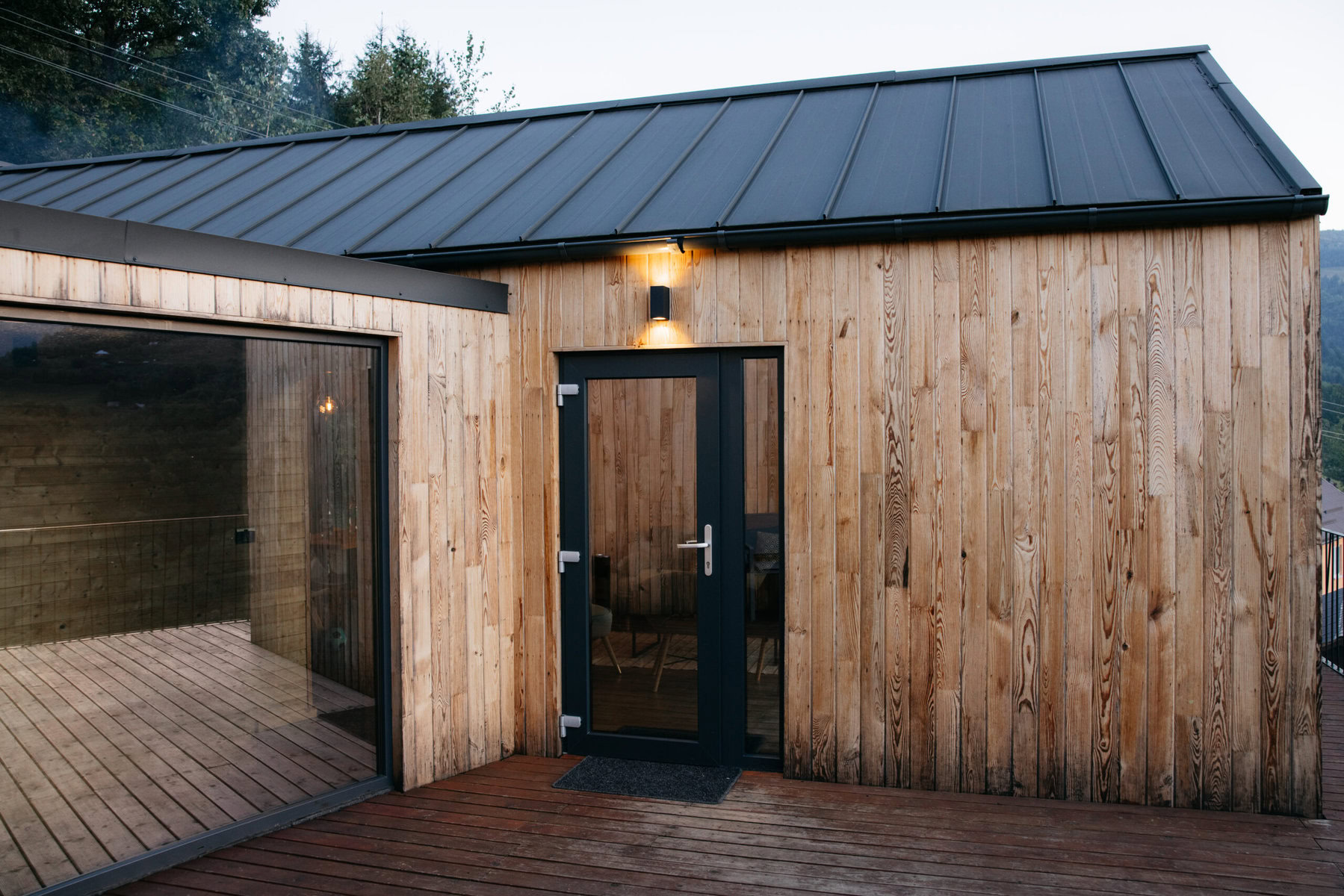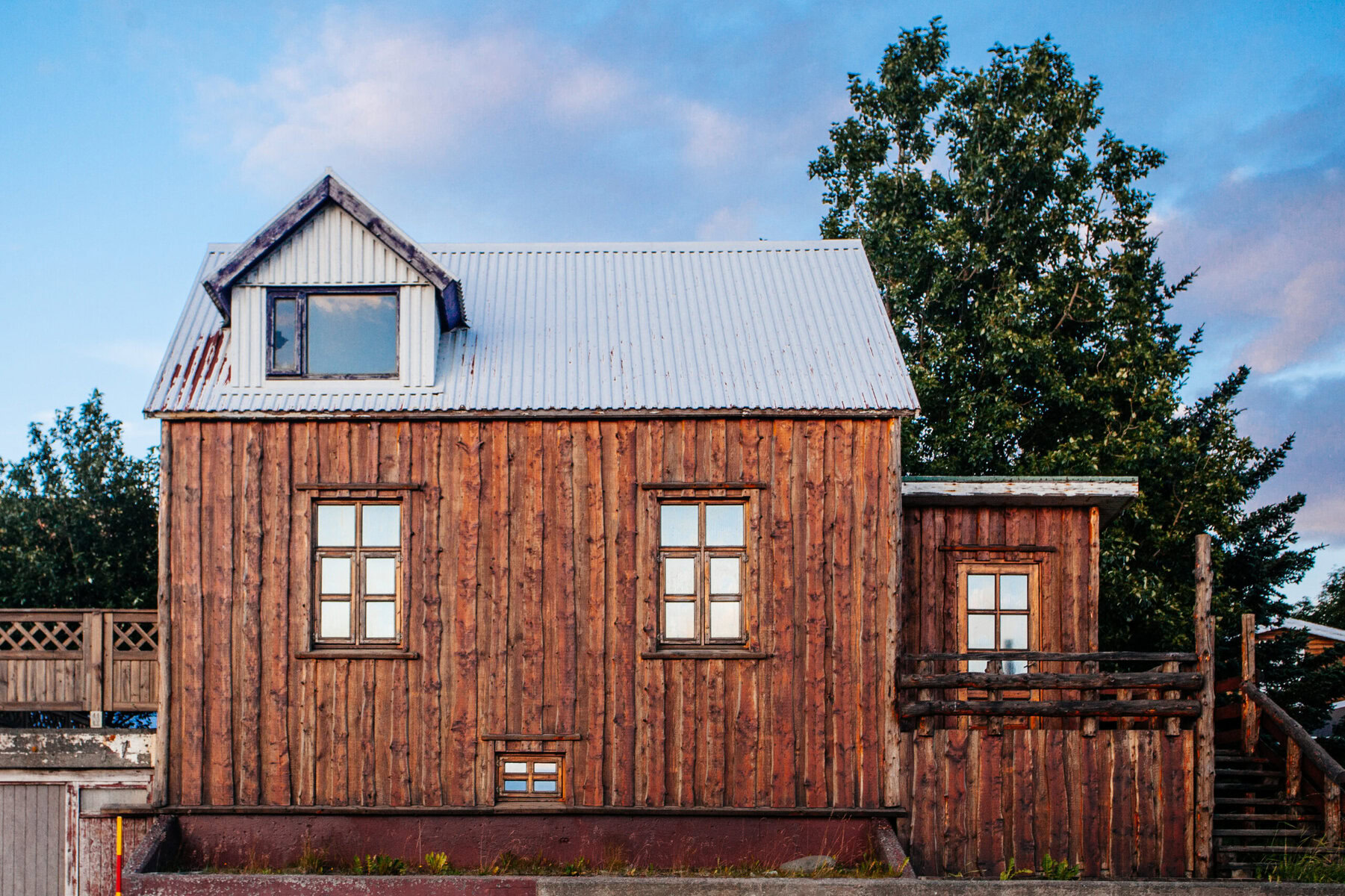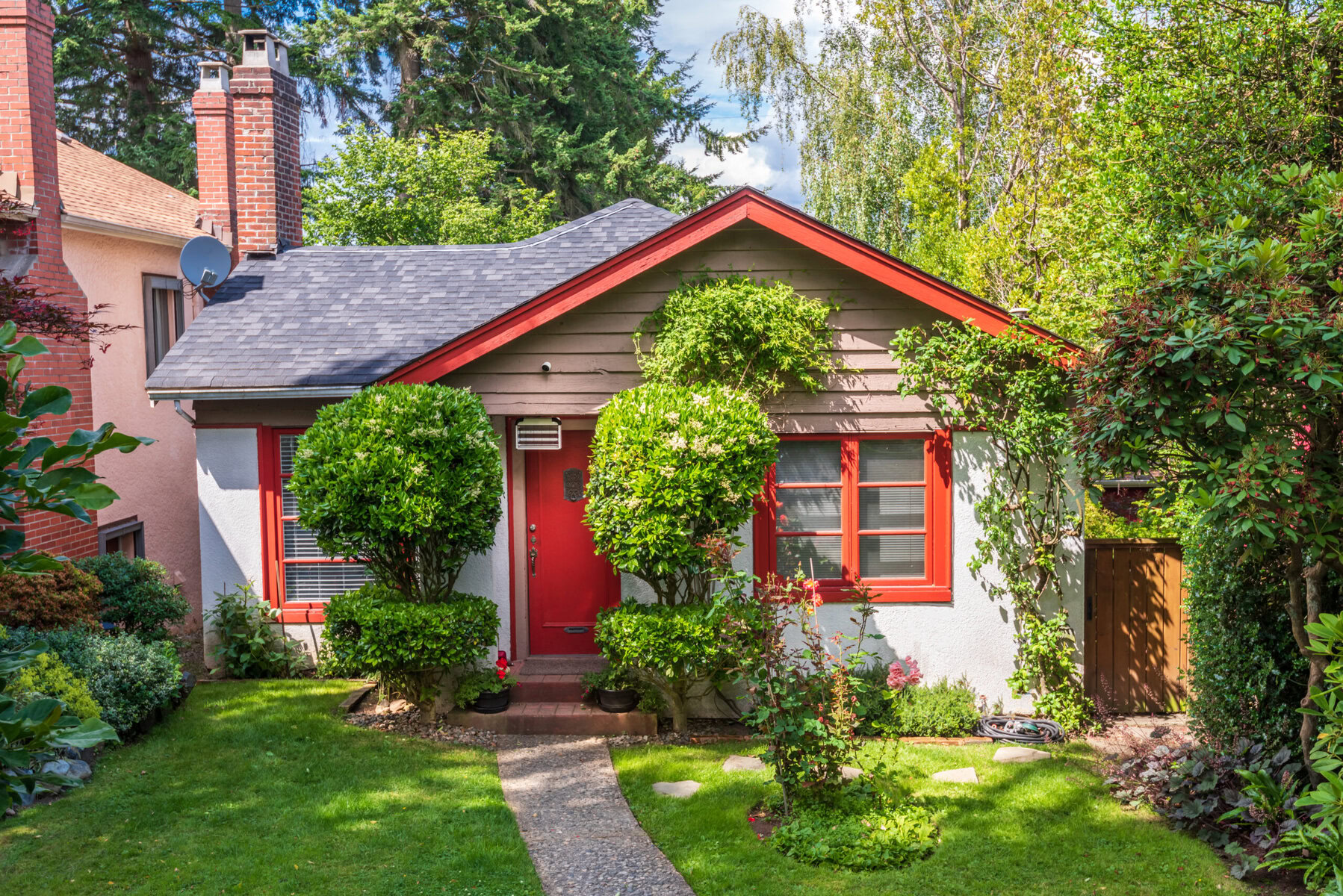
ADU Building in Miami, FL

Customer Reviews

ADU Building in Miami Starts With How Property Is Really Used

In Miami, accessory dwelling units are rarely built just to add square footage. They are built because space is needed for real reasons, whether it’s accommodating family near Biscayne Bay or generating rental income in neighborhoods like Little Havana and South Beach. Family members move in. Rental income becomes necessary. Existing homes stop working the way they once did. ADU building in Miami often starts as a practical response, not a design trend.
Properties here vary widely. Some sit on larger lots with room to expand. Others are in dense neighborhoods where access, setbacks, and zoning shape every decision. Climate adds another layer. Heat, humidity, and seasonal rain all affect how an ADU needs to be designed and built. When these factors are not considered early, problems usually show up later during construction or after the unit is occupied.
ADU building in Miami works best when planning is grounded in how the property functions day to day and how the additional unit will actually be used.

Why ADUs Are Becoming Common in Miami Neighborhoods

Across Miami, ADUs are serving different roles depending on location and household needs. Some are built for extended family. Others are designed as long term rental units. In certain areas, ADUs are used as home offices or guest spaces that stay separate from the main house.
Common reasons Miami homeowners explore ADU construction include:

Housing family members while maintaining privacy
Creating rental income without buying another property

Using underutilized backyard or garage space

Planning for future flexibility as household needs change

Each of these use cases affects layout, systems, and permitting decisions. Treating all ADUs the same often leads to compromises that reduce long term value.

What Often Complicates ADU Building in Miami

ADU construction in Miami looks simple from the outside. In practice, several issues tend to surface once planning begins.
Zoning and setback limits often restrict where an ADU can be placed. Utility connections may need upgrades to support an additional unit. Drainage and grading matter more than many homeowners expect, especially during heavy rain. Access for construction crews can be limited in tighter neighborhoods.
Other common complications include:

Addressing these factors after design is finalized usually causes delays or revisions. Reviewing them early keeps the project controlled.

How Trusst Construction Approaches ADU Building in Miami

At Trusst Construction, ADU projects start with understanding the property rather than pushing a preset design. Miami lots vary too much for a single approach to work.
Our process begins with reviewing how the property is currently used and how the ADU is intended to function. We look at access points, utility capacity, drainage behavior, and spacing between structures. These details shape the feasibility of the project long before construction starts.
From there, planning focuses on aligning layout, systems, and materials with Miami conditions. That includes ventilation strategies, moisture resistant materials, and layouts that allow the ADU to remain comfortable year round.
This upfront work takes time, but it prevents decisions that look fine on paper and fail in real use.

Only after those conversations do layout and system decisions get locked in. This approach reduces mid-project changes and keeps construction steady.

Designing ADUs That Hold Up in Miami Conditions

Miami’s climate affects how ADUs age. High humidity, heat, and seasonal storms place stress on materials and systems. ADU building here requires different decisions than construction in drier or cooler regions.
Material selection matters. Ventilation planning matters. Drainage matters. Small shortcuts often lead to ongoing maintenance issues later.
We focus on designs that:

These choices may not always be the most visually trendy, but they are the ones that perform better over time.

Cost Considerations for ADU Building in Miami

ADU costs in Miami are influenced by more than square footage. Site preparation, utility upgrades, permitting, and access all affect budget.
Factors that often influence cost include:

Focusing only on initial build cost can be misleading. An ADU that requires frequent repairs or system adjustments ends up costing more over time. We help homeowners understand how planning decisions affect both upfront and long term costs.

Minimizing Disruption During ADU Construction

Most ADU projects in Miami happen while the main home remains occupied. That requires careful coordination.
We plan construction phases to maintain access, protect existing structures, and reduce disruption to daily routines. Clear work zones, sequencing, and communication help keep the property usable throughout the build.
While some disruption is unavoidable, planning for it early prevents unnecessary stress during construction.

Starting fresh provides control that repeated updates rarely achieve.

Addressing Common ADU Concerns

Homeowners often hesitate before moving forward with ADU construction. Common concerns include cost, permitting complexity, privacy, and long term maintenance.
These concerns are valid. Addressing them early leads to better outcomes.
We walk through:

Clear answers upfront prevent surprises later.

When ADU Building Makes Sense in Miami

ADU construction is often the right choice when:

When planned properly, an ADU adds flexibility without compromising the main home.

Why Homeowners in Miami Choose Trusst Construction

People building new homes in Miami usually want predictability.
They want fewer surprises during construction. They want decisions made intentionally rather than reactively. They want a home that works well long after the project is finished.
They work with Trusst Construction because planning and execution stay connected. Communication stays clear. Decisions are made with long term performance in mind, not short term convenience.

Handling these with a clear plan produces better outcomes.

Contact Us

Trusst Your Partner for Home Remodeling

Request a quote from Trusst Construction, serving Miami, Fort Lauderdale, Palm Beach and more with commercial, residential, and multi-family projects.

Business Address:
19790 W Dixie Hwy, Unit 1005, Miami FL 33180
info@trusstconstruction.com

305-786-3199


Service Areas

Why Miami Homeowners Choose Trusst Construction for ADU Projects

Homeowners who work with Trusst Construction typically want control and clarity. They want to understand what is possible before committing. They want realistic timelines. They want a build that works long after construction ends.
Our experience with Miami properties helps us anticipate issues before they turn into problems. We focus on planning, coordination, and execution rather than rushing decisions.

Planning an ADU Building Project in Miami

ADU building in Miami works best when expectations are grounded in site reality. Understanding zoning, utilities, layout constraints, and long term use early keeps the process smoother.
Trusst Construction helps homeowners plan ADU projects with clarity from the start so decisions stay informed and projects stay controlled.

Related Articles

People Also Ask

The cost of an ADU in Miami-Dade County varies significantly based on size, design, and site conditions, but a typical range is between $150,000 to $300,000 or more. Key cost factors include the foundation type, as flood zone requirements often mandate elevated pilings, and the cost of connecting to existing utilities. Permitting fees and impact fees in the county also add to the budget. For a detailed breakdown of costs, design considerations, and the specific regulatory process in our area, we recommend reading our internal resource, ADU Building in Miami, FL. It provides essential guidance for planning a successful accessory dwelling unit project that complies with all local zoning and building codes.

Yes, you can build an Accessory Dwelling Unit (ADU) in Miami, provided you comply with specific local zoning and building codes. The City of Miami has updated its regulations to allow ADUs in many single-family residential zones to help address housing needs. Key requirements typically include owner-occupancy of the primary residence, size limitations relative to the main house, separate utility connections, and adherence to strict flood zone and building safety standards due to South Florida's climate. It is crucial to verify your property's eligibility and secure all necessary permits before starting construction. For a detailed guide on local requirements and the process, refer to our internal resource ADU Building in Miami, FL.

The cost comparison between building an accessory dwelling unit (ADU) on-site versus purchasing a prefabricated model depends heavily on project specifics. Generally, prefab ADUs can be cheaper upfront due to controlled factory construction reducing labor time and material waste, with many companies offering turnkey packages. However, traditional stick-built ADUs might offer more customization and potentially higher long-term value, but costs can escalate with design complexity, site conditions, and local permitting fees. Key factors include your location's labor costs, foundation requirements, utility connections, and local zoning regulations. A detailed cost analysis from local contractors and prefab suppliers is essential, as the cheaper option varies significantly by project.

The cost comparison between adding onto a home and building an Accessory Dwelling Unit (ADU) depends heavily on your specific goals. Generally, a simple room addition is often cheaper per square foot than a standalone ADU because it shares existing walls, roofing, and utilities. However, an ADU can be more cost-effective if you need a fully separate living space with its own entrance, kitchen, and bathroom, as it avoids the structural complexities of tying into an existing foundation. For homeowners considering a conversion, Trusst Construction recommends reviewing our internal article titled Garage To Living Space Conversion Costs In South Florida for detailed regional cost data. Ultimately, an addition is typically cheaper for expanding your current home, while an ADU offers better long-term value for rental income or guest privacy.

Modern ADU building in Miami requires careful navigation of local zoning codes, climate considerations, and design innovation. The city's specific regulations for Accessory Dwelling Units (ADUs) dictate size, placement, and permitting processes, which a professional builder can expertly manage. Key considerations include selecting durable, moisture-resistant materials suited to the subtropical climate and incorporating energy-efficient features like impact-resistant windows and proper ventilation. A well-designed ADU can provide significant rental income or flexible family space while increasing overall property value. For a detailed exploration of local requirements and benefits, we recommend our internal resource, ADU Building in Miami, FL. Professional planning ensures a compliant, functional, and valuable addition to any Miami property.

The market for accessory dwelling units (ADUs) in Miami is growing, driven by demand for affordable housing and rental income opportunities. When considering an ADU for sale, it's crucial to verify zoning compliance with Miami-Dade County's specific regulations, which govern lot size, setbacks, and permissible unit types. Construction must adhere to the Florida Building Code and local hurricane-resistant standards. Key factors include securing proper permits, understanding utility connection requirements, and evaluating the property's existing infrastructure. Working with a licensed contractor experienced in Miami's ADU projects is essential for navigating these processes and ensuring a legal, profitable investment that adds value to the primary residence.

Constructing an affordable Accessory Dwelling Unit (ADU) in Miami requires strategic planning to balance cost with local regulations. Key strategies include selecting a prefabricated or modular design to reduce labor and material expenses, focusing on a simple, efficient layout, and using durable, cost-effective materials. It is crucial to understand Miami-Dade County's specific zoning codes, permitting processes, and impact fee structures early to avoid costly delays. For a detailed guide on navigating these local requirements and maximizing your budget, we recommend reading our internal resource, ADU Building in Miami, FL. Partnering with a contractor experienced in Miami's ADU market is essential for staying on budget while ensuring code compliance and quality construction.

Google

Overall Rating

5.0
★★★★★

26 reviews