

Trusst built our custom home in Leland completely on schedule, and the fixed-price contract meant zero surprise expenses at closing. You won't find a smoother process in Brunswick County.


We needed our outdated Wilmington kitchen overhauled before hosting family for the holidays. Trusst gave us an exact estimate on day one, stuck to the budget, and wrapped up the work in under three weeks. Absolute professionals from start to finish.

Added a two-car garage to our property in Waterford. Trusst delivered line-item pricing before work started, hit every milestone date, and left the driveway spotless. I would hire them again in a second.

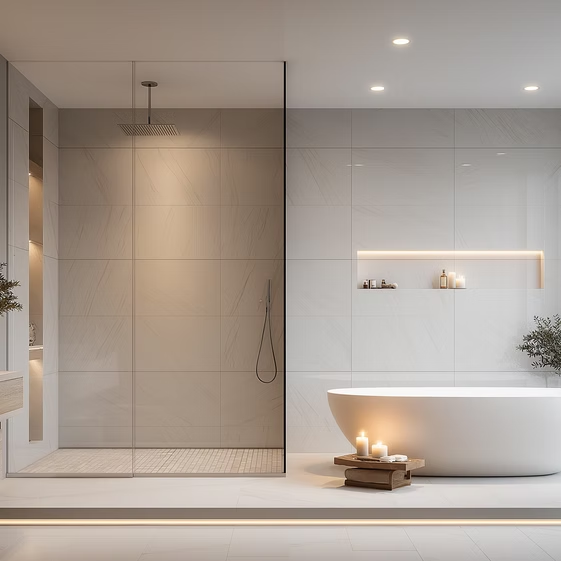
I cared most about the kitchen working for two people at once. They fixed the layout, added counter space, and put lighting where we actually need it. The bathroom remodel was secondary, but the shower and tile look just as careful. No drama on the estimate. Questions got answered the same day. That’s rare.

Bathroom came out great. Walk-in shower, new vanity, good lighting. Kitchen update was even better. Would hire them again.

Years of putting it off, we finally gutted the kitchen and master bath. The new layout, cabinets, and tiled shower came out better than the pictures they showed us. The crew was respectful of our schedule and left the house clean every evening. The estimate held and they took care of the punch list quickly. I strongly recommend Trusst.

Attention to the little details (hardware, grout, trim) really stood out during my bathroom remodel. Project stayed organized and they cleaned up properly every evening. Recommend them without reservation.

We needed a kitchen update and a complete bathroom renovation in a smaller home. They maximized the space without making it feel crowded. Cabinets, counters, and tile all look custom. Comm was clear from start to finish and there were no last-minute extras.

Craftsmanship, communication, and cleanliness were all better than previous contractors we’ve used. Finished on time and exactly as quoted. Already planning the next project with them.

Exellent Work, Very good Company.
Exellent Management from Shay and Gili.
Thank you very much for everything.
I would take this Company again and again.
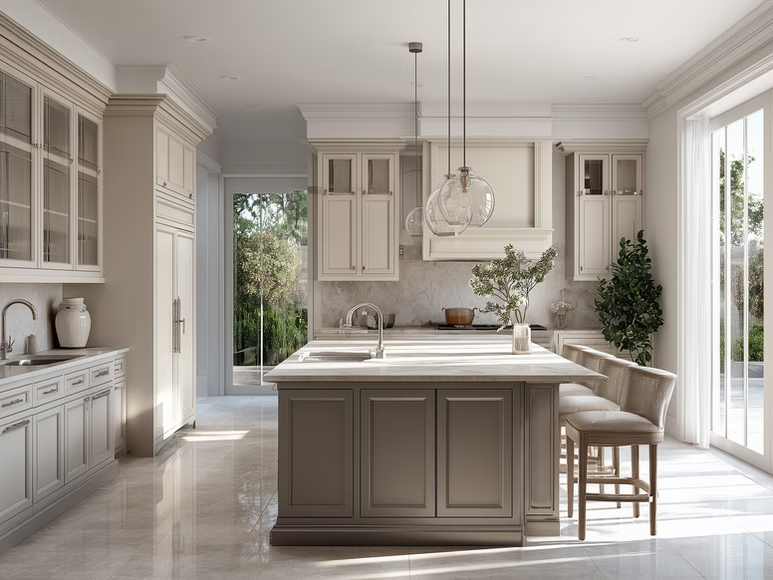
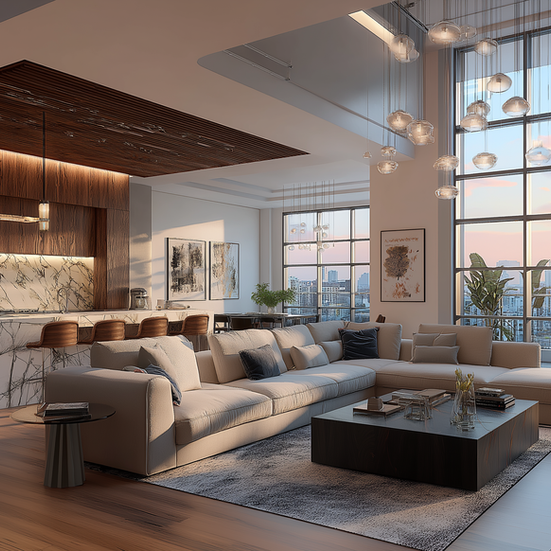
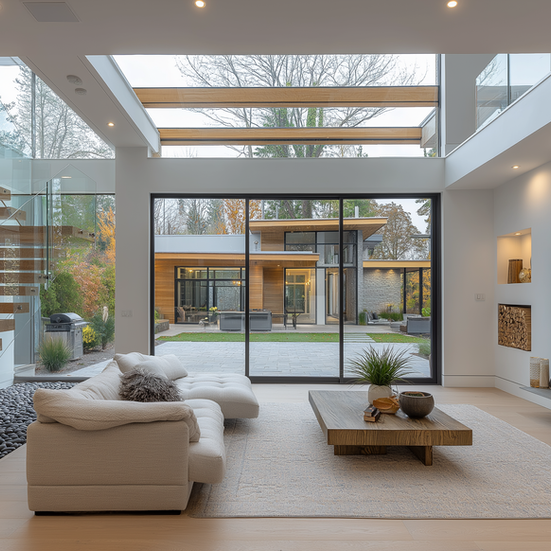
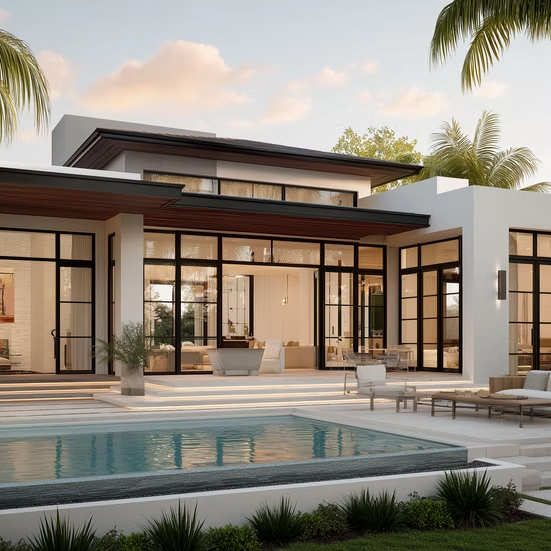

People Also Ask
When building an Accessory Dwelling Unit, one of the most common mistakes is underestimating the complexity of local zoning laws and permitting processes. Many homeowners fail to verify setback requirements, height restrictions, or parking mandates specific to their neighborhood, leading to costly redesigns or permit denials. Another frequent error is poor budget planning, where owners overlook expenses for utility connections, impact fees, or upgraded electrical panels. Additionally, neglecting to hire an experienced contractor who understands ADU-specific construction can result in structural issues or code violations. To avoid these pitfalls, we recommend reviewing our internal article titled ADU Construction in Miami-Dade County: The Most Complete Zoning, Permitting, and Turnkey Cost Guide for 2026, which provides comprehensive guidance tailored to Miami-Dade County regulations. Trusst Construction emphasizes the importance of thorough pre-construction planning to ensure your project stays on schedule and within budget.
For homeowners in Miami, Miami Beach, and Hialeah, Accessory Dwelling Units (ADUs) are subject to Florida state statutes and local municipal zoning codes. Generally, a single ADU is permitted on a lot with an existing single-family home, provided it does not exceed 50% of the principal dwelling's living area or 800 square feet, whichever is less. The unit must include separate kitchen and bathroom facilities and cannot be used as a short-term rental (less than 30 days). Local regulations in your specific city may impose additional setback requirements, parking stipulations, or owner-occupancy clauses. For a complete breakdown of these local rules and permitting steps, please refer to our internal article Remodeling & Construction in Miami – Frequently Asked Questions. Trusst Construction recommends consulting with a local architect to ensure full compliance before design.