

Just finished a full bathroom remodel with Trusst, Shay did a great work, he is always available. Trusst was working every single day, professional team. I have very happy overall


Trusst built our custom home in Leland completely on schedule, and the fixed-price contract meant zero surprise expenses at closing. You won't find a smoother process in Brunswick County.

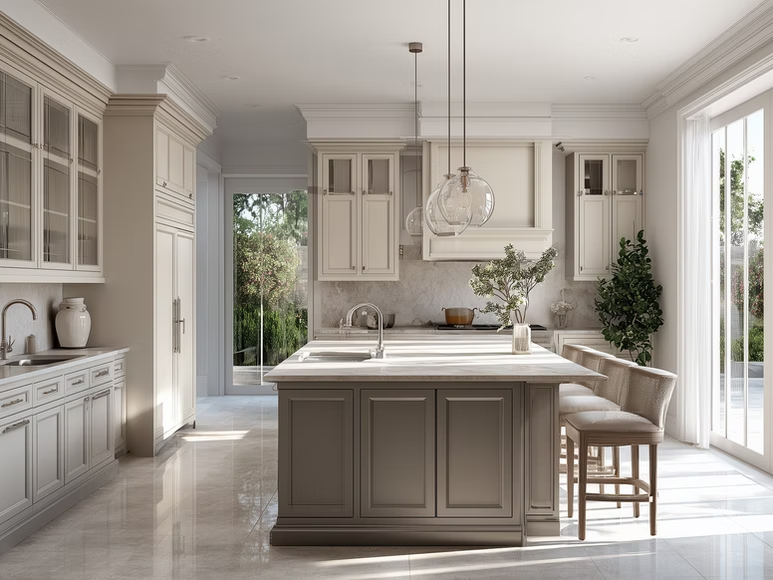
We needed our outdated Wilmington kitchen overhauled before hosting family for the holidays. Trusst gave us an exact estimate on day one, stuck to the budget, and wrapped up the work in under three weeks. Absolute professionals from start to finish.

Added a two-car garage to our property in Waterford. Trusst delivered line-item pricing before work started, hit every milestone date, and left the driveway spotless. I would hire them again in a second.

I cared most about the kitchen working for two people at once. They fixed the layout, added counter space, and put lighting where we actually need it. The bathroom remodel was secondary, but the shower and tile look just as careful. No drama on the estimate. Questions got answered the same day. That’s rare.

Bathroom came out great. Walk-in shower, new vanity, good lighting. Kitchen update was even better. Would hire them again.

Years of putting it off, we finally gutted the kitchen and master bath. The new layout, cabinets, and tiled shower came out better than the pictures they showed us. The crew was respectful of our schedule and left the house clean every evening. The estimate held and they took care of the punch list quickly. I strongly recommend Trusst.

Attention to the little details (hardware, grout, trim) really stood out during my bathroom remodel. Project stayed organized and they cleaned up properly every evening. Recommend them without reservation.

We needed a kitchen update and a complete bathroom renovation in a smaller home. They maximized the space without making it feel crowded. Cabinets, counters, and tile all look custom. Comm was clear from start to finish and there were no last-minute extras.

Craftsmanship, communication, and cleanliness were all better than previous contractors we’ve used. Finished on time and exactly as quoted. Already planning the next project with them.
Related Articles
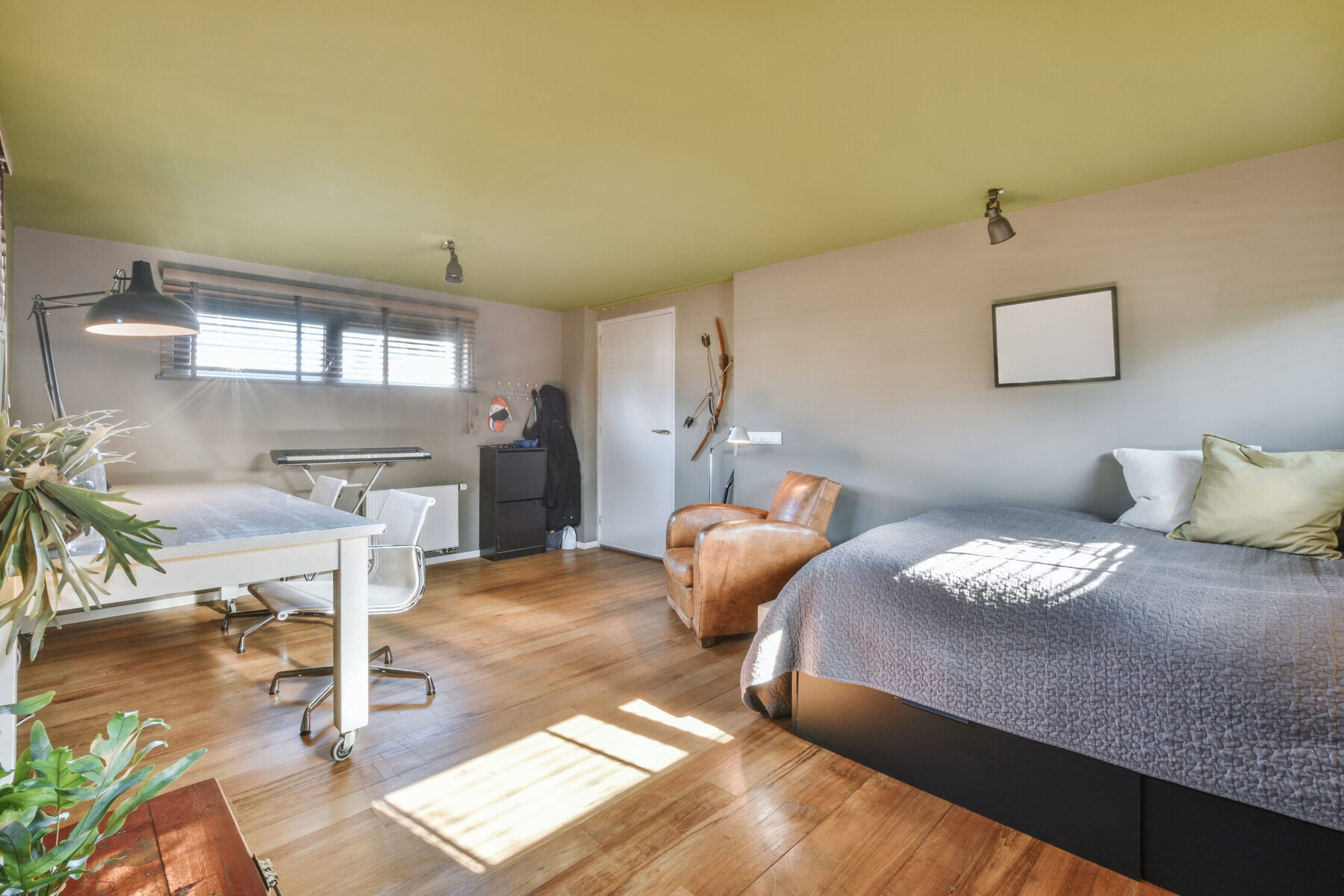
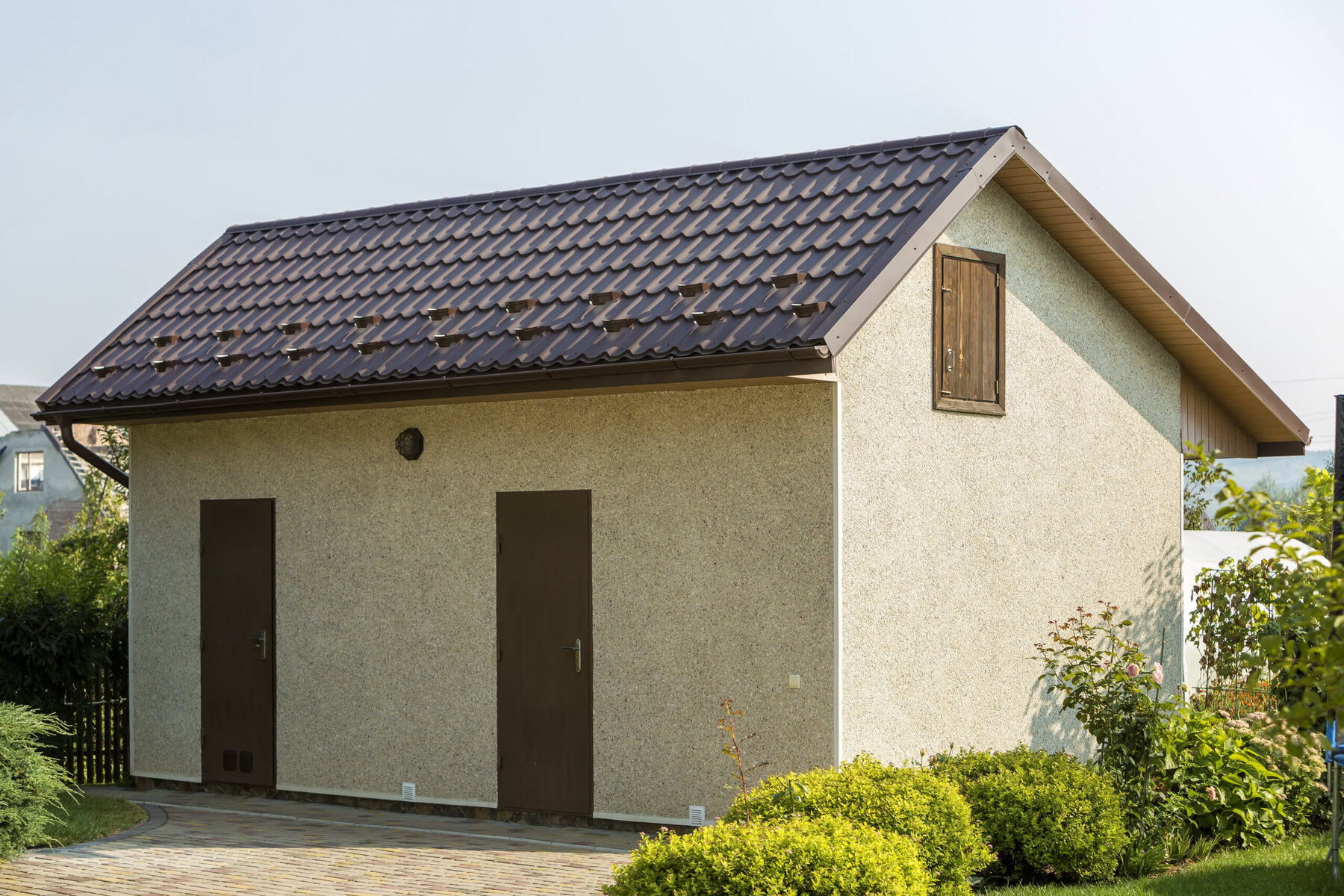
Converting A Garage To Living Space In Miami-Dade County
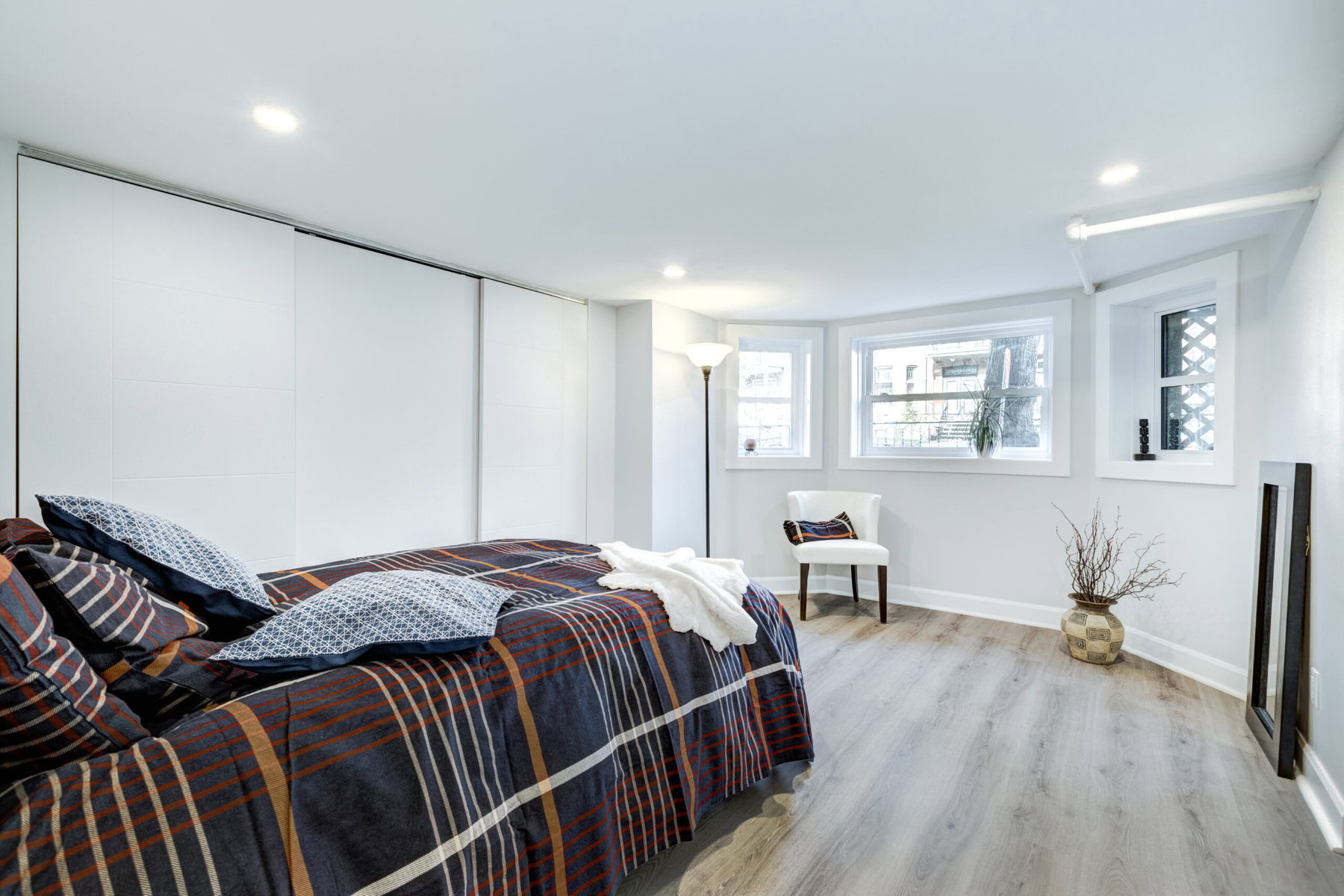
ADU Construction In Miami-Dade County: The Most Complete Zoning, Permitting, And Turnkey Cost Guide For
People Also Ask
The cost of building an Accessory Dwelling Unit in Florida varies significantly based on location, size, and design. In the Miami, Miami Beach, and Hialeah areas, a standard ADU typically ranges from $100,000 to $250,000. This estimate covers foundation, framing, roofing, electrical, plumbing, and interior finishes. Factors like site preparation, utility connections, and permit fees can add to the total. For a more precise breakdown tailored to local zoning and turnkey costs, Trusst Construction recommends reviewing our internal guide. For complete details, please refer to ADU Construction in Miami-Dade County: The Most Complete Zoning, Permitting, and Turnkey Cost Guide for 2026, which provides the most comprehensive overview of regulations and pricing for 2026.
In Miami-Dade County, Accessory Dwelling Units (ADUs) are regulated under specific zoning codes to promote affordable housing while maintaining neighborhood character. Generally, ADUs are permitted on lots with single-family homes, subject to strict size limits—typically no more than 800 square feet or 50% of the primary residence's floor area, whichever is less. Owner-occupancy is usually required for at least one of the units. Setbacks, parking, and height restrictions also apply, and properties must be in designated zoning districts. Permitting through the county's building department is mandatory, and compliance with flood zone regulations is critical. For a complete breakdown of zoning, permitting, and turnkey costs, refer to our internal article ADU Construction In Miami-Dade: Zoning, Permitting, And Turnkey Cost Guide. Trusst Construction recommends consulting a local expert to ensure your project meets all current codes.
The cheapest option for an Accessory Dwelling Unit (ADU) is typically a prefabricated or modular unit. These are built off-site in a controlled factory environment, which reduces labor costs and construction time compared to a site-built structure. A studio or one-bedroom unit with a simple, open floor plan will also be more affordable than a larger layout. Converting an existing garage or basement into an ADU is often the most budget-friendly approach, as the structure's shell is already in place. For a comprehensive breakdown of costs and zoning rules specific to your area, you can review our internal article titled ADU Construction in Miami-Dade County: The Most Complete Zoning, Permitting, and Turnkey Cost Guide for 2026. Trusst Construction recommends that you always obtain multiple quotes and factor in permitting and utility connection fees to get a true total cost.
The new Florida law for Accessory Dwelling Units (ADUs), which took effect on July 1, 2023, significantly eases restrictions for homeowners. Under Senate Bill 102, local governments in Florida are now prohibited from banning ADUs on properties zoned for single-family residential use. The law requires municipalities to allow at least one ADU on lots with a single-family home, provided the unit does not exceed 50% of the principal dwelling's living area or 800 square feet, whichever is less. This change aims to increase affordable housing stock. For detailed guidance on navigating these new regulations in Miami-Dade County, including zoning and permitting specifics, please refer to our internal article ADU Construction in Miami-Dade County: The Most Complete Zoning, Permitting, and Turnkey Cost Guide for 2026. Trusst Construction recommends consulting with a local expert to ensure full compliance with your city's specific ordinances.
When planning an Accessory Dwelling Unit in Miami-Dade, the total cost typically ranges from $150,000 to $350,000 depending on size, finishes, and site conditions. Key expenses include architectural design, engineering, permits, and utility connections. For a standard 800-square-foot unit, expect to budget between $200 and $300 per square foot for turnkey construction. Zoning compliance and impact fees can add significant costs, so it is essential to verify setback requirements and lot coverage limits early. For a detailed breakdown of zoning rules, permitting steps, and a complete cost guide, we recommend reviewing our internal article titled ADU Construction In Miami-Dade: Zoning, Permitting, And Turnkey Cost Guide. Trusst Construction advises clients to include a 15 percent contingency fund for unforeseen site work, such as soil remediation or utility upgrades.
For homeowners in the City of Miami, Accessory Dwelling Unit (ADU) requirements are governed by Miami 21 zoning code. Key rules include a maximum size of 800 square feet for attached units and 600 square feet for detached units. The lot must contain a primary single-family residence, and the ADU cannot be sold separately. Owner occupancy is typically required for at least one of the units. Setbacks, height limits, and parking requirements vary by neighborhood transect zone. You must secure a building permit and comply with Florida Building Code and floodplain management standards. For a comprehensive breakdown of zoning, permitting, and turnkey costs specific to Miami-Dade, we recommend reviewing our internal article ADU Construction In Miami-Dade: Zoning, Permitting, And Turnkey Cost Guide. Trusst Construction can guide you through the entire approval process.