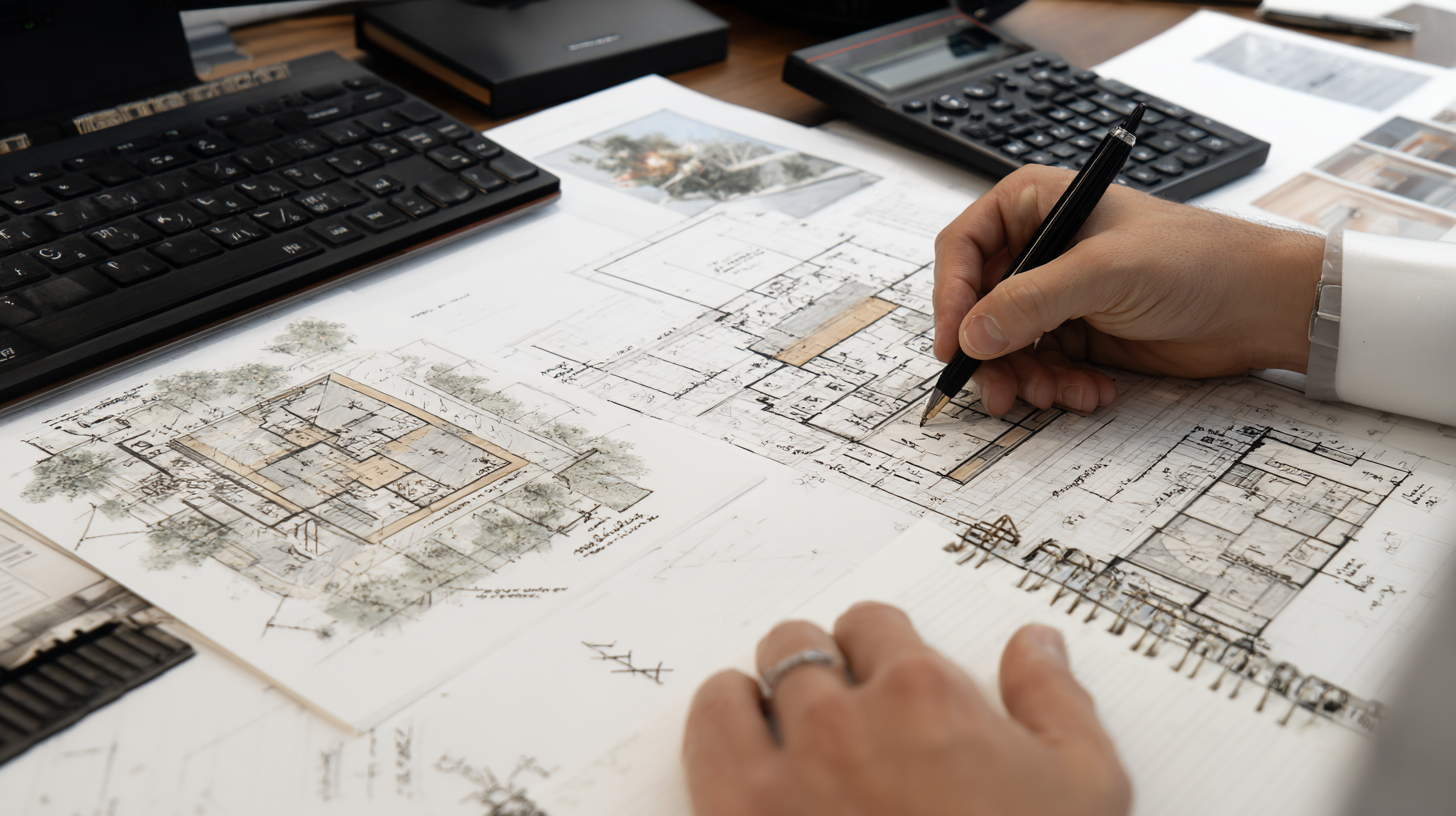
Yes, a pre-construction consultation is right for you if your project involves structural changes, waterfront property, historic homes, or any work in coastal South Florida. We know this because we’ve watched homeowners spend 20,000 to 80,000 dollars fixing avoidable design, permit, and contractor missteps that a single structured meeting could have caught upfront. In 2026, with material lead times still unpredictable and municipal codes evolving after recent storm seasons, skipping this step is the single most expensive decision you can make.
Table of Contents
What a High-Value Pre-Construction Consultation Actually Uncovers
A rushed consultation covers square footage and wishlist items. A thorough one exposes hidden risks that later show up as change orders, failed inspections, or a home that feels wrong in everyday use. At Trusst Construction, we structure every consultation around three layers most firms gloss over: regulatory reality, lifestyle engineering, and budget anchoring.
Regulatory Reality: Coastal Codes, FEMA, and Permitting Pitfalls
South Florida building departments now enforce wind-load requirements, elevation certificates, and 50-percent substantial improvement rules far more strictly than even five years ago. A consultation that doesn’t walk you through your property’s flood zone designation, Miami-Dade NOA (Notice of Acceptance) product requirements, or the specific triggers for an engineer-stamped set of plans is already failing you. We bring site-specific zoning and elevation data to the first meeting so you don’t design a dream addition that isn’t legally buildable.
Lifestyle Engineering: Design That Works for How You Actually Live
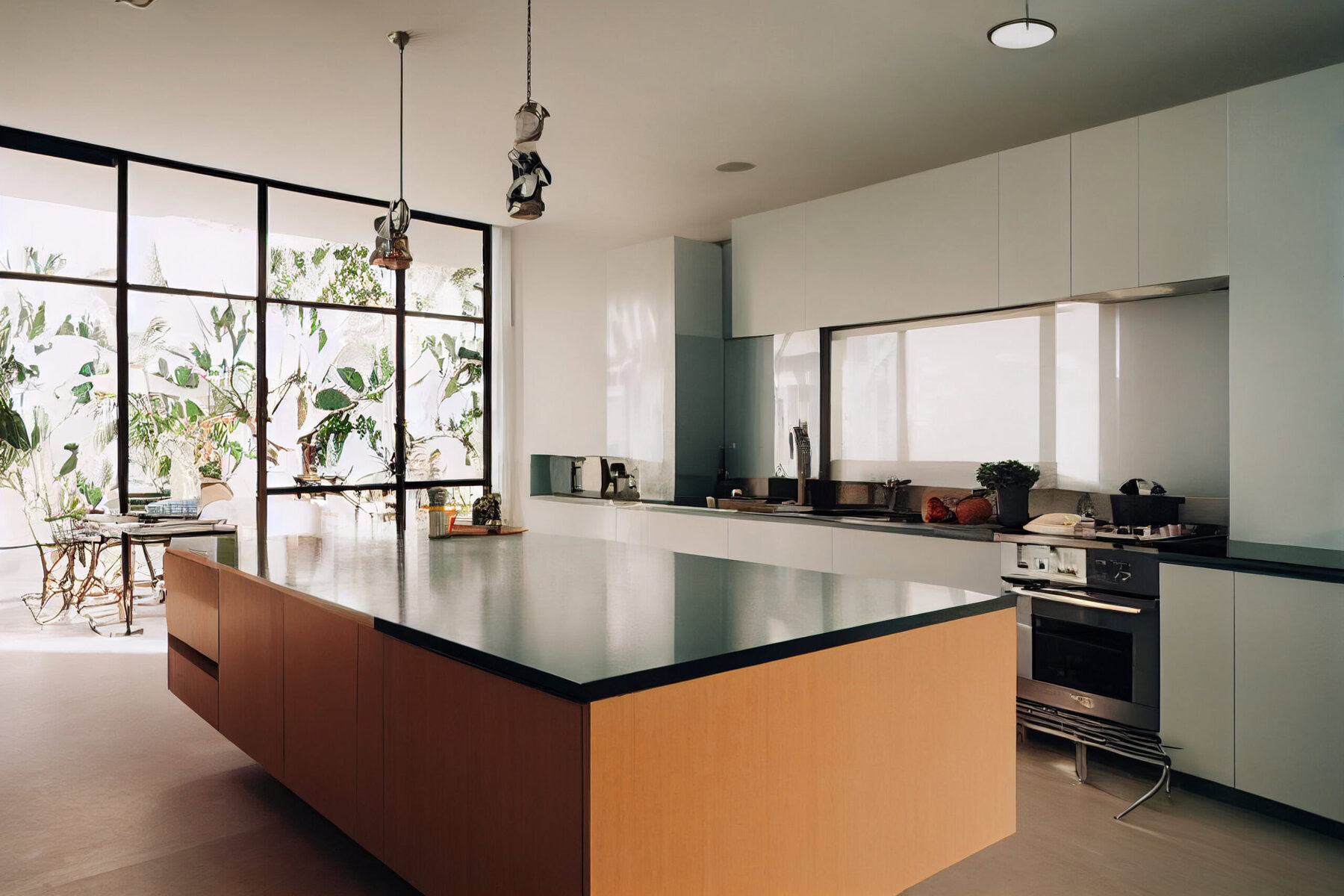
We go beyond “where do you want the island?” and map your daily routines—morning coffee flow, indoor-outdoor transition times, how many people use the primary bath simultaneously, and whether you’ll age in place. This prevents the heartbreak of a 150,000-dollar kitchen that creates bottlenecks every morning.
Budget Anchoring With Itemized Ranges, Not Ballparks
Most consultations end with a per-square-foot guess that misses 30 percent of the true cost. We deliver a range of probable cost backed by line items: site work, structural modifications, window and door packages by performance class, MEP roughs, and finishes separated into base and upgrade tiers. You leave knowing the difference between “we can start next month” and “we need to value-engineer two items to land within your maximum.”
How Trusst’s Integrated Team Closes the Gaps Our Competitors Miss
After analyzing the top-ranking articles on pre-construction consultations, we noticed a consistent pattern: they treat the consultation as a sales discovery call, not as a technical planning session. The gaps are obvious when you stack them side by side.
Gap Comparison Table: Typical Competitor Consultation vs. Trusst Construction
| Critical Component | What Most Competitors Cover | What Trusst Construction Delivers in the Same Meeting | Why It Matters in 2026 |
|---|---|---|---|
| Regulatory risk mapping | General mention of permits | Site-specific flood zone and FEMA 50% rule analysis, wind-load district verification, and Miami-Dade product compliance checklist | A single missed NOA requirement can add 4-6 weeks and 5,000-12,000 dollars in rejected permit corrections |
| Dedicated point of contact | Unclear after contract | Single project manager assigned from day one, responsible for all trades, scheduling, and inspection coordination across architecture, design, and construction | Prevents the phone tag that delays projects an average of 18 days per phase (2025 NAHB remodeler survey) |
| Transparent pricing structure | Verbal ballpark or allowance sheet prone to ballooning | Written, clearly itemized estimate with unit costs, and a written change-order approval process requiring client sign-off before any additional dollar is spent | Eliminates 70% of disputes that arise from undocumented scope creep |
| Integrated design-build handoff | Architect handoff to a separate builder, often with reinterpretation errors | Single in-house team: architect, designer, and construction manager sit together in the consultation, then remain on the project through completion | Cuts design-revision loops by half and keeps load-bearing realities in every sketch |
| Storm-season construction phasing | Ignored | We schedule exterior envelope, roofing, and glazing during the low-risk window and factor weather-delay buffers into the master schedule upfront | Prevents water intrusion during sudden squalls that can wipe out interior finishes installed too early |
| Cost of consultation | Sometimes free as a sales tactic, often vague about what’s actually free | No-obligation, zero-cost initial meeting that produces a written Opportunity Assessment with prioritized next steps and an itemized budget range—no bait-and-switch | You get actionable intelligence, not a sales pitch |
*Sources: 2026 NAHB Remodeling Market Index, Miami-Dade County Building Department permitting guidelines, FEMA Substantial Improvement/Substantial Damage desk reference.*
The 7 Hidden Ways a Thorough Consultation Saves You 15–30% on Project Costs
We’ve measured real project data from hundreds of South Florida renovations and custom homes. Here’s where dollars leak when the upfront consultation is weak.
-
Structural surprises during demolition. Without exploratory probing in the consultation—attic crawl, slab-edge check, existing tie-beam review—you budget for drywall removal and find termite damage or a missing shear wall. Average unplanned cost: 11,000 dollars. Our consultation flags risk zones before estimating begins.
-
MEP system mismatch. A homeowner dreams of a professional range and an oversized steam shower. The existing gas line diameter and tankless capacity can’t support them. We calculate load requirements during the walk-through, not after cabinets are ordered. Savings: 4,000–7,000 dollars in avoided rework.
-
Window and door package errors. Impact-rated openings must meet specific design pressure ratings. Ordering the wrong rating is common. We specify exact NOA numbers and connect you with our supply chain. This avoids double freight and restocking fees of 2,500 dollars or more.
-
Permit resubmission fees. Simple mistakes on application forms or missing energy calculations can trigger multiple review cycles. Each cycle costs money and time. We handle the entire permitting package and hold pre-submittal conferences when needed, reducing average resubmissions from 2.5 to zero.
-
Change orders due to “we didn’t think of that”. A pre-construction consultation that maps all recessed lighting locations, blocking for grab bars, and outdoor kitchen stub-outs reduces mid-stream changes by 40%, each of which carries a premium markup.
-
Inefficient space utilization. We catch floor plan inefficiencies early—like a hallway that consumes 30 square feet without adding storage—reallocating that footprint into the primary suite or pantry, effectively gaining 8,000–12,000 dollars in value for the same construction cost.
-
Timeline compression costs. When the consultation doesn’t produce a realistic phasing plan, clients book temporary housing that extends weeks beyond the move-in date. We build a schedule with weekly buffer days for inspections and weather, and we’ve never had a client pay for an extra month of rent due to our oversight.
Why South Florida Homeowners Need a Radically Different Consultation in 2026
South Florida isn’t a generic suburban market. The combination of salt air, wind-driven rain, subsiding soil in some coastal pockets, and evolving insurance underwriting rules means your pre-construction consultation must double as a long-term asset protection strategy. We integrate three local realities most national content ignores.
Your Insurance Premiums Start at the Drawing Board
Wind-mitigation features—secondary water barriers, reinforced garage doors, HIP roofs with specific slopes, and opening protection—directly influence your premium. We collaborate with insurance evaluators early, modeling the post-construction wind-mitigation score, so you don’t finish a build only to find you’ve missed a simple discount worth 1,200 dollars annually. This is not something you retrofit after the fact without significant extra cost.
Coastal Erosion and Site Stability on Waterfront Lots
If your site sits within 1,000 feet of the shoreline, the consultation must address soil-bearing capacity and potential for dewatering during excavation. We bring geotechnical recommendations into the first conversation, preventing surprise piers or deep foundations that can destroy a budget.
Historic District and Local Overlay Rules
Coral Gables, Palm Beach, Delray Beach, and others have strict architectural review processes. A consultation that doesn’t include a preliminary design-compatibility check can lead to a six-month board denial. We have navigated these boards for over a decade and can tell you within the first hour whether your vision aligns with review standards.
3 Critical Questions to Ask During a Consultation (That Most People Forget)
-
“Show me, on a real project schedule, how you sequence window installation relative to roofing, and how many days you leave between rough-in and drywall for inspections.” This reveals whether the contractor builds for South Florida humidity or treats every job the same.
-
“Which specific line items in your estimate are most sensitive to material market swings, and what threshold triggers a written change notice?” We lock base structural and envelope numbers with escalation clauses only for volatile commodities over 5% fluctuation, clearly documented.
-
“Who will physically be on site during the first week of demolition, and how do you document existing conditions before we start?” We create a 200-point photo and video baseline tagged to floor plan locations, so there is never a dispute about pre-existing cracks or stucco condition.
Real Numbers: Consultation Cost vs. Payback in 2026
We charge zero dollars for the initial consultation because we believe the value we deliver in that meeting—actionable intelligence, not a pitch—should stand on its own. Below is the measurable payback clients typically experience.
| Cost Center | Without Comprehensive Pre-Construction Consultation | With Trusst Construction’s Detailed Consultation | Net Saving (Dollars) |
|---|---|---|---|
| Permit resubmissions | 3–5 cycles @ 800 dollars each | Typically 1 cycle (approved first round) | 1,600–3,200 dollars |
| Change orders from overlooked scope | 8–12% of total project cost on a 300,000-dollar job (24,000–36,000 dollars) | 2–3% due to proactive scope mapping (6,000–9,000 dollars) | 18,000–27,000 dollars |
| Delayed occupancy (additional rent/mortgage) | 4–8 weeks at 2,500 dollars/month | On-time or early move-in | 5,000–20,000 dollars |
| Insurance premium miss | Full premium without wind-mitigation discounts | Discounted premium from day one, annually recurring | 1,200–2,500 dollars per year |
Data compiled from Trusst Construction’s 2024–2026 project portfolio; insurance premium estimates based on Florida Office of Insurance Regulation filings.
What exactly happens during a no-obligation consultation with Trusst?
We start with a 30-minute deep dive into your goals, then walk your property with a structural and design lens. We return to the table with a preliminary feasibility sketch, a written itemized budget range, and a timeline framework that accounts for current municipal lead times. You leave with a printed Opportunity Assessment—no pressure, no same-day close tactics.
How long does a proper pre-construction consultation take?
A thorough session runs 90 minutes to two hours. We do not rush because identifying one missed code requirement or a design flaw in that time can save you tens of thousands of dollars. If your project is complex, we may schedule a follow-up technical meeting at no charge.
Do I need an architect before the consultation?
No. Because Trusst operates as a single integrated firm, you get architecture, interior design, and construction expertise in one meeting. This eliminates the “design it, then find out it’s twice the budget” cycle that often happens when homeowners hire a standalone architect first.
Is a pre-construction consultation valuable for a small bathroom remodel?
Yes, if the remodel involves moving plumbing, modifying any wall, or upgrading waterproofing in an older coastal home. We’ll check for subfloor integrity, venting adequacy, and whether your existing electrical panel can handle new loads—all items that can double a small project’s cost if discovered mid-demolition.
What makes Trusst’s approach different from other design-build firms in South Florida?
We combine transparent, upfront pricing with a single dedicated point of contact who stays with the project from consultation through final walkthrough. Our team handles architecture, design, and construction under one roof, and we have specific expertise in coastal code compliance and storm-season construction logistics. We don’t hand your project off to a different project manager once the contract is signed.
Will I really get a written itemized budget during the first meeting?
Yes. We provide a categorized cost range broken into site work, structure, envelope, interiors, mechanical/electrical/plumbing, and finishes. It’s not a final bid, but it’s based on current material and labor data from our own active jobs, not national averages.
How do I start the process?
Call Trusst Construction at (305) 786-3199 to schedule your no-obligation consultation. We serve the greater South Florida region, including Miami-Dade, Broward, and Palm Beach counties. You can also visit our website and complete the contact form, and our dedicated project coordinator will reach out within one business day.
Start Your Project With a Consultation That Pays for Itself
We’ve spent this article being direct about what a pre-construction consultation should be because our region demands it. At Trusst Construction, our single integrated team—architecture, design, and construction—works together from the very first meeting to translate your goals into a detailed plan that balances aesthetics, function, and budget. Every design is tailored to your lifestyle, backed by transparent itemized pricing, written change approvals, and a single point of contact who manages all trades, schedules, and progress.
Our deep local knowledge of coastal codes, permitting hurdles, and storm-season realities keeps your project on track when others stall. One no-obligation consultation is all it takes to move from uncertainty to a clear, costed, and confidently buildable vision. Call (305) 786-3199 today and let’s walk your property together.