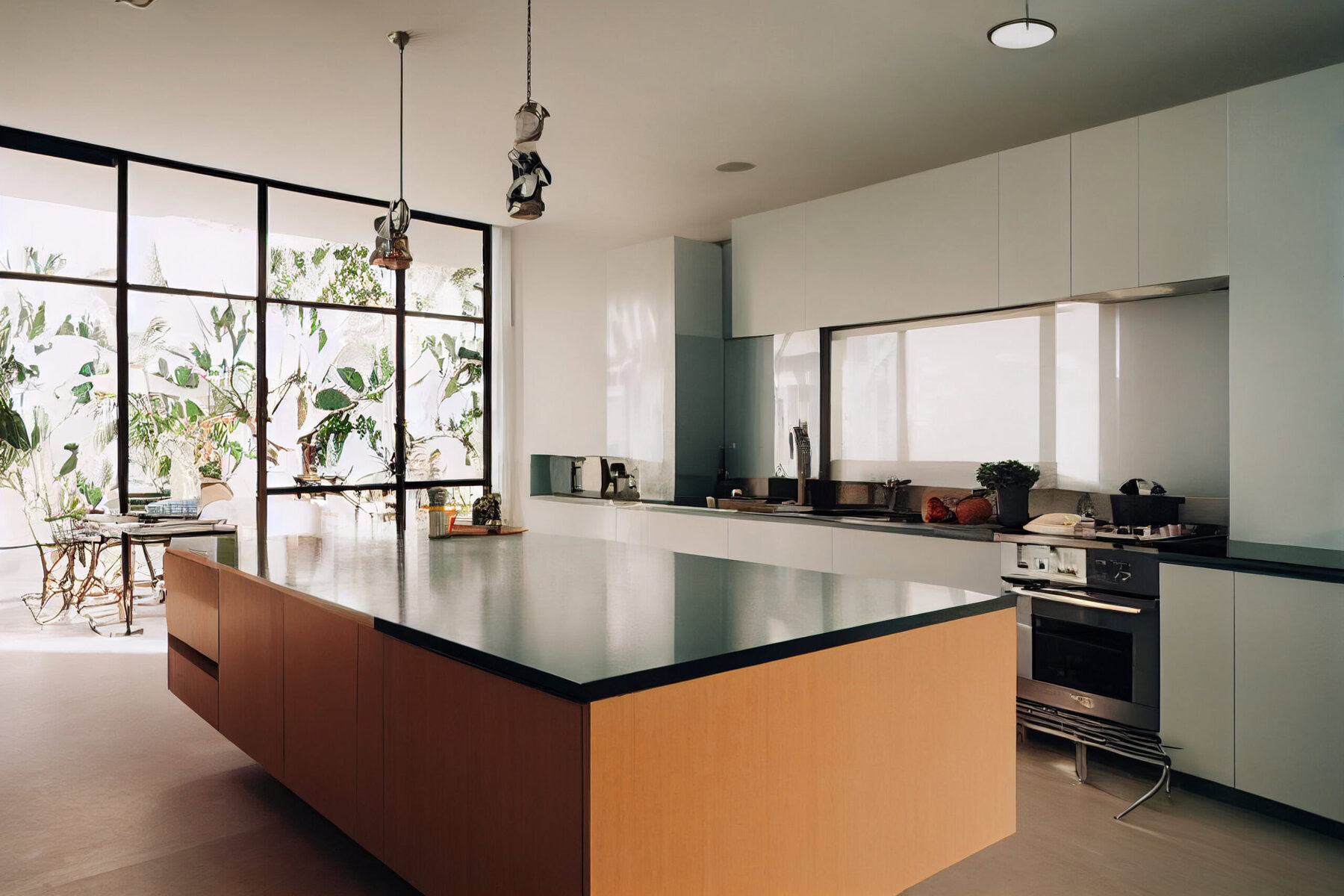

Ever stared at a cracked tile in your bathroom and felt a wave of renovation dread wash over you? Or maybe you have dreamed of an open-concept kitchen for years, but the sheer thought of navigating contractor options and market fluctuations makes you want to hide under the sofa. You are far from alone. Home remodeling in South Florida often feels like navigating a maze of fluctuating material costs, local permitting rules, and tight scheduling.
Understanding the economic landscape and local real estate dynamics helps turn renovation anxiety into excitement. Upgrading a home or business is less about construction chaos and more about crafting a functional, high-value space tailored to your lifestyle.
Table of Contents
The Miami Real Estate and Remodeling Market Landscape
Deciding when to remodel requires analyzing local property dynamics alongside national trends. In South Florida, single-family property values have stabilized at resilient levels, with median home prices in Miami-Dade County resting between 660,000 US Dollars and 700,000 US Dollars. According to real estate tracking from Zillow Miami Housing Data, regional home values have seen long-term appreciation while inventory normalizes.
At the same time, national research from the Harvard Joint Center for Housing Studies indicates that overall spending on home improvements nationwide remains steady, with annual homeowner expenditures topping 500 billion US Dollars.
In Miami specifically, three core factors make right now an opportune time for remodeling:
- High Equity Holds: Homeowners who locked in low interest rates in previous years are choosing to stay put and reinvest equity into major renovations rather than purchasing new properties at higher price points.
- Focus on Resilience: Climate conditions, strict wind resistance codes, and insurance requirements prompt South Florida homeowners to invest in impact doors, reinforced roofing, and modern plumbing systems.
- Lifestyle and Remote Work Trends: The demand for dedicated home offices, indoor-outdoor entertaining layouts, and luxury bathroom retreats continues to grow as hybrid work habits solidify.
Rather than waiting for unpredictable shifts in material pricing or interest rates, renovating now allows owners to secure immediate lifestyle gains while expanding long-term equity.
Demystifying the Remodeling Process
A successful renovation is not magic or guesswork; it is a well-orchestrated series of practical steps. Viewing your contractor as a project guide rather than just a crew with tools keeps the project structured and transparent.
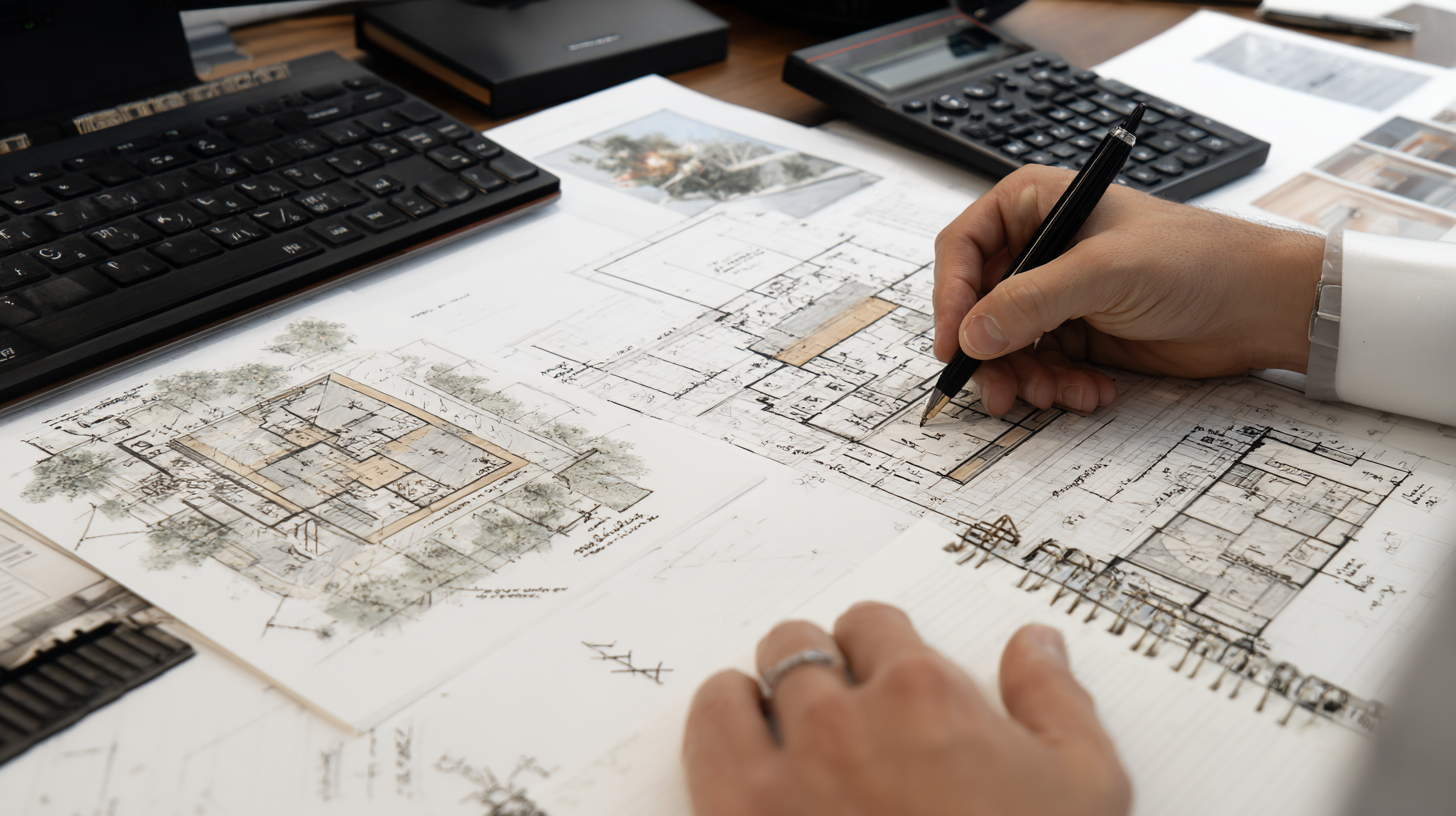
The Blueprint Phase: More Than Just Drawings
This is where vision meets practicality. Prior to cutting drywall, sit down with your contractor to examine daily living habits. Do you need a spa-inspired primary bathroom or a heavy-duty kitchen designed for family gatherings?
A skilled general contractor in Miami incorporates climate realities, structural load requirements, and neighborhood aesthetic standards right from the start. Skipping this thorough planning phase leads to unexpected mid-project adjustments and unnecessary expenses.
The Budget Talk: Realistic Costs and Value
Pricing transparency is essential. Quotes that appear suspiciously low often indicate hidden fees, omitted permit costs, or sub-par building materials.
The total cost of a remodeling project covers skilled labor, engineering approvals, quality fixtures, and project management. At Trusst Construction, transparent breakdowns ensure every dollar of your investment directly contributes to long-lasting build quality and functional value.
Why Choosing the Right Contractor Matters
The difference between a stress-free transformation and an endless headache comes down to contractor selection. Your home or commercial building deserves proven technical expertise.
Specialists vs. General Contractors
Different scopes require different organizational skills. A specialized bathroom remodeler excels at tiling and wet-space waterproofing, but may lack the engineering infrastructure needed for a full structural addition.
A licensed house remodeling contractor maintains a comprehensive team of certified electricians, master plumbers, and structural carpenters. Whether executing a complete residential home addition or a commercial office refurbishment, an experienced team coordinates all trades under a single, accountable schedule.
Red Flags to Avoid
Experience in the South Florida market highlights clear warning signs when vetting potential contractors:
- Vague Estimates: A contractor unwilling to provide a detailed, written scope of work creates room for sudden cost overruns later.
- Bypassing Permits: Claiming permits are unnecessary—especially near coastal zones or within historic neighborhoods—is a major red flag that risks heavy municipal fines and sales title obstacles.
- Inconsistent Communication: Poor responsiveness during the bidding phase usually worsens once construction begins.
A reliable builder maintains open channels of communication, keeping you updated on timeline milestones, permit submittals, and material delivery dates.
Residential vs. Commercial Remodeling
While residential and commercial construction share foundational building codes, their operational approaches differ significantly.
Residential Remodeling Services
Home renovations center on personal comfort, aesthetics, and long-term livability. Projects like kitchen transformations or master suite expansions must minimize dust, manage noise levels, and respect daily family routines throughout construction.
Commercial Contracting Services
For an office refurbishment or retail space overhaul, the main priorities shift toward operational efficiency, ROI, strict ADA compliance, and strict code enforcement. Unscheduled downtime translates directly into lost business revenue. Commercial construction often relies on phased execution or off-hours labor to ensure business continuity.
| Aspect | Residential Remodel | Commercial Refurbishment |
|---|---|---|
| Primary Focus | Lifestyle, comfort, personal taste | Function, efficiency, brand image, ROI |
| Decision Maker | Homeowner / family | Corporate stakeholders, management teams |
| Timeline Flexibility | Moderate flexibility around family schedules | Rigid, tied directly to business cycles |
| Regulatory Focus | Florida Residential Building Code | Commercial codes, fire safety, ADA compliance |
| Disruption Management | Dust containment and live-in site safety | Phased work sequences or after-hours construction |
Strategic Project Planning Tips
Setting clear objectives early prevents costly mid-stream changes.
Define Your “Why” Before Your “What”
Determine the primary motivation behind your remodel. Are you remodeling to maximize market value for a near-term sale, or are you tailoring the property for your long-term residence?
For resale, focus on high-ROI projects such as kitchen updates, modern bathroom fixtures, and hurricane impact upgrades. For a forever home, prioritize custom finishes, layout adjustments, and specialized functional spaces.
Establish a Contingency Fund
Uncovering outdated wiring, hidden moisture damage, or framing discrepancies behind old walls is a reality of construction. Allocating a 10% to 20% contingency budget ensures these unexpected discoveries do not delay your timeline or compromise design choices.
Navigating Miami-Dade Permitting and Regulations
Navigating local building codes is essential for any South Florida project. The Miami-Dade County Permitting and Inspection Center requires formal building permits for structural changes, electrical overhauls, plumbing re-configurations, and window or door replacements.
Working without required permits exposes property owners to stop-work orders, retroactive permitting fees, and significant delays when selling the home later. Partnering with a licensed general contractor guarantees that architectural plans are properly digitally signed, submitted through official municipal portals, and inspected at every required stage.
Frequently Asked Questions
1. How long does a home remodel take in Miami?
Timelines vary according to project scope and municipal permit approval times. A bathroom renovation typically requires 3 to 5 weeks, whereas a full home remodel or room addition can take between 3 and 6 months. A detailed schedule should always be established following the initial planning phase.
2. Should I get multiple contractor bids?
Yes, obtaining multiple bids allows you to compare project scopes and pricing. However, ensure you evaluate bids on an equal basis. The lowest bid frequently excludes vital line items such as permit fees, dumpsters, or high-grade materials.
3. How disruptive is a renovation to daily life?
Living through construction involves noise and temporary adjustments. However, professional contractors employ zip-wall dust containment systems, floor protection, and regular site cleanups to keep the living environment safe and manageable.
4. Can I act as my own general contractor?
While homeowners can legally pull owner-builder permits under specific conditions, managing a complex remodel requires coordinating dozens of trades, scheduling sequential municipal inspections, and ensuring adherence to the Florida Building Code. Working with an experienced construction firm prevents costly delays, safety violations, and installation mistakes.
Conclusion
Remodeling your property in Miami is a powerful way to enhance daily comfort while protecting and growing your long-term real estate equity. With clear goals, proper budgeting, and experienced local builders, turning an existing structure into your ideal home or workspace is an exciting, rewarding journey.
If you are ready to evaluate your property’s potential—from custom kitchen overhauls to complete structural additions—partner with a team built on transparency, craftsmanship, and local experience. Reach out to Trusst Construction today to discuss your vision and turn your remodeling plans into reality.
Sources
- The Ledger Homes: Miami Real Estate Trends 2026: Market Shift & Buyer Opportunities – https://www.theledgerhomes.com/
- Norada Real Estate Investments: Miami Housing Market Trends and Forecast 2025-2026 – https://www.noradarealestate.com/
- Joint Center for Housing Studies of Harvard University: Remodeling Growth Set to Downshift in Late 2026 (LIRA) – https://www.jchs.harvard.edu/research/leading-indicator-remodeling-activity-lira
- Joint Center for Housing Studies of Harvard University: Improving America’s Housing Report – https://www.jchs.harvard.edu/
- Miami-Dade County: Construction and Permitting Guidelines – https://www.miamidade.gov/global/economy/building/home.page
- Miami-Dade County Building Code Compliance: What Permits Required for Home Remodeling in Miami-Dade – https://www.miamidade.gov/