
Let’s be honest, we’ve all fallen down the rabbit hole of home renovation inspiration. One minute you’re casually looking at faucet finishes, the next you’re debating the structural merits of knocking down a wall at 2 AM. It’s a thrilling ride, but when it comes time to turn those Pinterest dreams into a physical, permit-approved reality, the sheer scope of it can feel… overwhelming. Where do you even start? Do you hire a bathroom remodeler first, or tackle the full home remodel? How do you find a general contractor in Miami who gets your vision without suggesting something wildly out of budget?
We get it. We’ve been in your shoes, and now we’re on the other side of the tool belt. That’s the exact journey that shaped Trusst Construction here in Miami. We started as enthusiasts who saw a gap between dream and execution, and built a construction company to bridge it. So, grab a coffee, and let’s chat about navigating this wild world.
Table of Contents
The Great Planner vs. Doer Dilemma
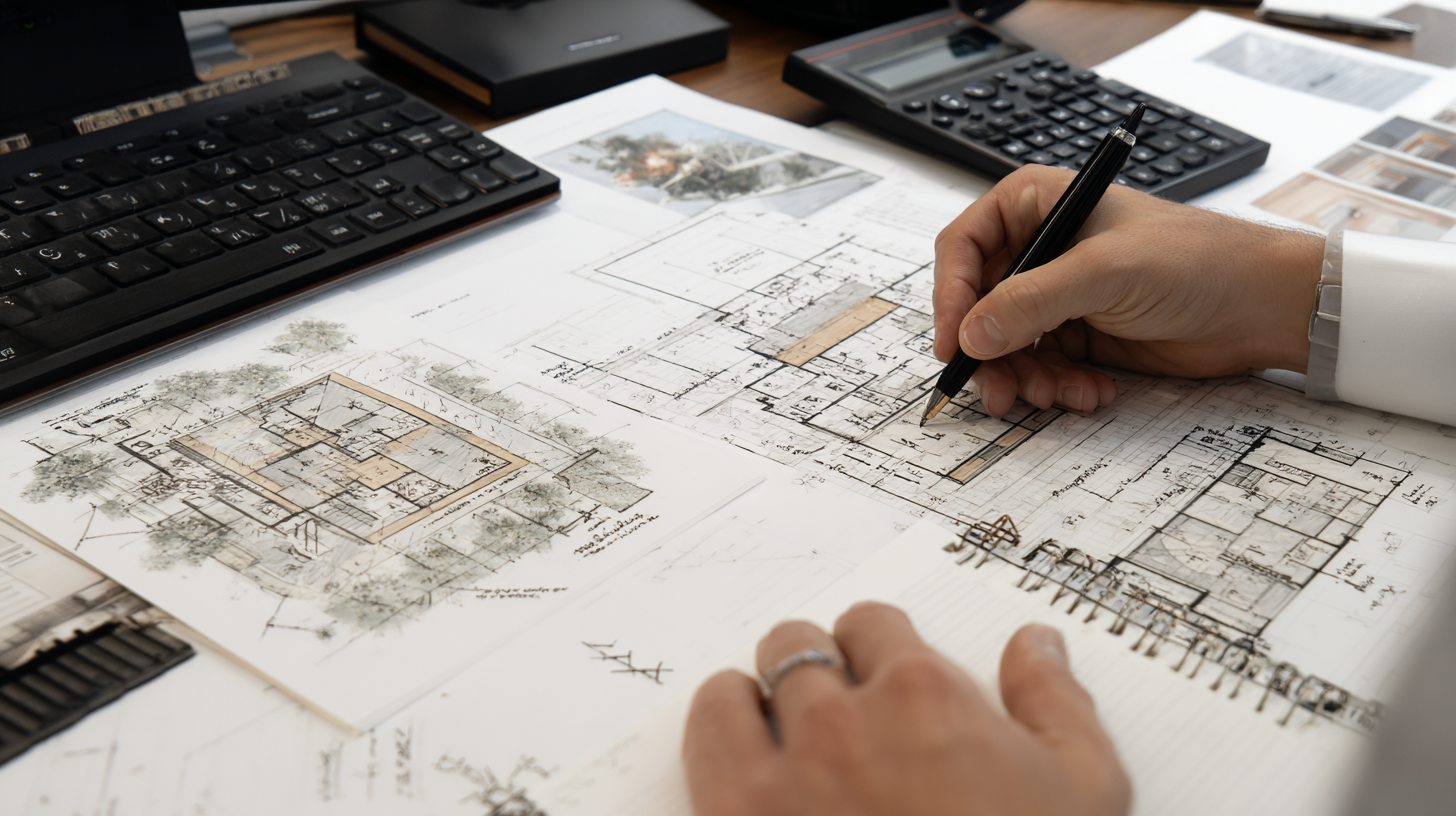
First thing’s first: let’s talk planning versus doing. We love a good DIY challenge—seriously, building your own floating shelf is a rite of passage. But there’s a line, and knowing where it is saves you time, money, and probably a few marital spats.
The DIY Zone is perfect for cosmetic updates: painting, installing shelving, maybe even laying some click-lock flooring. It’s satisfying and keeps costs down on the front end.
The “Call a Pro” Zone is anything involving structure, plumbing, electrical, or permits. This is where a professional remodeling contractor isn’t just a luxury; they’re your insurance policy against catastrophic, leaky, or (heaven forbid) non-code-compliant mistakes. Trying to be your own general contractor for a major project is like conducting an orchestra without knowing how to play an instrument. You might get a few notes right, but the overall symphony will be chaos.
Ever wondered why some projects seem to drag on for years? It’s usually a planning issue, not a labor one.
Budget Talk: Let’s Get Real About The “C” Word
Cost. There, we said it. It’s the elephant in the beautifully designed, open-concept room. The single biggest stressor in any renovation isn’t the dust; it’s the fear of the financial unknown.
Here’s our biggest piece of advice: get transparent pricing early. A reputable company, like ours at Trusst Construction, will provide detailed, line-item estimates. You should see where every dollar is going—materials, labor, permits, even waste removal. The word affordable shouldn’t mean “cheap and mysterious”; it should mean “fair, transparent, and delivering maximum value for your investment.”
A detailed budget isn’t a constraint; it’s your project’s blueprint. It empowers you to make smart choices. Maybe you splurge on that handcrafted tile for the bathroom splashback but choose a stunning, mid-range countertop. It’s all about balance.
To give you a clearer picture, here’s a basic breakdown of where your money typically goes in a major renovation. IMO, this is the kind of transparency everyone should expect.
| Cost Category | Typical % of Budget | What It Covers | Pro Tip from Us |
|---|---|---|---|
| Design & Planning | 10-15% | Architectural drawings, engineering, permits, project management. | Don’t skip this! Good planning prevents costly change orders later. |
| Materials & Finishes | 35-45% | Everything you touch and see: lumber, drywall, tile, flooring, cabinets, fixtures. | Source some materials yourself, but let your contractor handle structural items for warranties. |
| Labor & Installation | 30-40% | The skilled work of carpenters, electricians, plumbers, tilers, etc. | This is where hiring the best remodeling company pays off—skill and efficiency matter. |
| Contingency Fund | 10-15% | The “oh-no” fund for unforeseen issues (hello, hidden plumbing from 1950!). | If you don’t use it, it’s a bonus. But you will sleep better knowing it’s there. |
Choosing Your Team: It’s Not Just About The Lowest Bid
Picking your renovation contractor is like choosing a partner for a three-legged race. You need to be in sync, communicate constantly, and trust them not to face-plant you into the dirt. So, how do you find “The One”?
- Specialization Matters: A genius commercial contractor might over-engineer your kitchen. You want a specialist. Need a bathroom remodeler? Look at their bathroom portfolio. Planning residential home additions? Ensure they have a portfolio of seamless, integrated builds. At Trusst Construction, we’re experts in both whole-home transformations and targeted home remodeling services, so we’ve got you covered.
- Communication is King: Do they answer calls? Explain things clearly? Your project manager will be in your life for months. You need to actually like talking to them.
- The Paper Trail: License, insurance, and a solid contract are non-negotiable. A handshake won’t cover you if a pipe bursts. FYI, we’re happy to show ours off—no shame in our paperwork game.
Residential vs. Commercial: A Quick Detour
Since we wear both hats, let’s clear this up. Residential remodeling is deeply personal. It’s about your sanctuary, your family’s flow. The emotional stakes are high. Commercial remodeling or an office refurbishment is about business function, brand image, ROI, and often tighter deadlines. The skill sets overlap, but the approach is different. A great general contractor can navigate both, understanding that building a custom nursery requires a different touch than renovating a Miami retail space. We do both, and honestly, the variety keeps us sharp.
Surviving the Renovation Process (With Your Sanity Intact)
Okay, team is hired, plans are set. Now comes the fun part: living through it. Here’s how to not lose your mind.
- Set Up a Sanctuary: Keep one room completely off-limits as your dust-free escape. This is non-negotiable for mental health.
- Embrace the Dust: It will be everywhere. No, really. Even with containment. Accept it now.
- Weekly Huddles: Have a standing 15-minute chat with your project lead every week. Quick updates prevent big misunderstandings.
- Practice Decision-Fu: You will make approximately seven thousand decisions. Try to batch them. Choose all your finishes at once to avoid decision fatigue later.
Your Burning Questions, Answered
Let’s tackle some of the most common questions we hear every single day.
1. How long will my remodel actually take?
Longer than you hope, but shorter than you fear if you plan well. A bathroom might take 4-6 weeks. A full home remodel could be 4-6 months. The key is buffer. Weather, material delays (the supply chain is still a little quirky, :/ ), and unforeseen structural surprises all play a part. A good timeline includes contingency time.
2. Should I move out during the renovation?
For a single bathroom or kitchen remodel, you can often tough it out. For a whole-house gut job? Move out. The cost of temporary housing is often worth the preserved sanity and allows the crew to work faster and safer.
3. How do I handle disagreements or changes?
First, communicate directly with your project manager immediately—don’t let it fester. Second, get every single change in writing with a signed change order that outlines the new price and timeline impact. This protects everyone and keeps the project ledger clean.
4. How do I find the best remodeling company near me?
Start with hyper-local searches. “House remodeling contractor Miami” or “general contractor near me” are good. But then, dig deeper. Read reviews not just for stars, but for content about communication and problem-solving. Look at portfolios for projects that match your style. And then, just talk to them. The vibe check is real.
Wrapping This Renovation Chat Up
Phew, that was a lot, but hopefully, it demystifies the process a bit. At the end of the day, a successful remodel isn’t just about the gorgeous final photos (though those are nice). It’s about the journey: the planning, the partnership with your team, and the excitement of seeing your vision come to life, one installed tile and framed wall at a time.
If you’re in Miami and starting to feel that mix of excitement and anxiety about your project, remember, you don’t have to figure it all out alone. Our whole reason for starting Trusst Construction was to be the guide we wished we’d had. We’re just a bunch of enthusiasts who turned pro, ready to bring clarity, quality, and maybe a few well-timed jokes to your renovation adventure. So, when you’re ready to move from dreaming to doing, give us a shout. Let’s build something amazing, together.
Related Articles
Butcher Block vs Granite: Kitchen Countertop Showdown — How to Choose a Surface That Lasts and Adds Value
What a Kitchen Remodel Actually Costs in Miami (Breakdown & Smart Ways to Save)
People Also Ask
A chef's kitchen is designed for high-performance cooking and entertaining, prioritizing function without sacrificing style. Key features include a commercial-grade range (often 36 inches or wider) with high BTU burners, a pot-filler faucet, and a large, dedicated ventilation hood. You will typically find a second prep sink, generous counter space for multiple work zones, and specialized storage like walk-in pantries or deep drawers for heavy cookware. Durable materials, such as quartz or butcher block, and task lighting are essential. For a truly professional layout, consider a separate prep area or an island with a sink. At Trusst Construction, we often guide homeowners through these ergonomic and spatial choices to ensure the kitchen meets your cooking demands.
The "3 kitchen rule" is a common safety guideline, particularly relevant in commercial and high-volume residential settings. It typically refers to the rule of three: never leave a hot pan unattended, never leave a towel or cloth near an open flame, and never let a pot boil over without immediate attention. In a professional context, it also emphasizes maintaining three clear zones (prep, cooking, and cleaning) to prevent cross-contamination and accidents. For homeowners, applying this rule means staying in the kitchen while frying, grilling, or broiling, and setting a timer as a reminder. At Trusst Construction, we recommend incorporating fire-resistant materials and proper ventilation in your kitchen design to support these safety practices. This simple rule significantly reduces the risk of kitchen fires and injuries.
Yes, it is possible to have a commercial kitchen in your home, but it requires strict adherence to local zoning laws, building codes, and health department regulations. In areas like Miami, Miami Beach, and Hialeah, you must obtain proper permits and pass inspections for fire safety, ventilation, and commercial-grade plumbing. A residential kitchen cannot simply be upgraded; it must meet specific standards for food service, including separate hand-washing sinks and grease traps. For a seamless process, Trusst Construction can guide you through the permitting and renovation steps, ensuring your home-based commercial kitchen is fully compliant and operational.
Creating a chef's kitchen in your private residence is about blending professional-grade functionality with residential comfort. Prioritize a robust ventilation system, such as a high-CFM range hood, to handle intense cooking. Opt for durable, low-maintenance surfaces like quartz or stainless steel, and include a large central island with a prep sink. For storage, think like a pro: dedicated drawers for spices, pots, and lids, plus a walk-in pantry if space allows. Zoned lighting—task, ambient, and accent—is crucial. When planning these complex systems, consulting a professional builder like Trusst Construction ensures your layout maximizes workflow and code compliance. Finally, integrate commercial appliances that match your actual cooking habits, not just aesthetics, to achieve a truly efficient and enjoyable space.
For a chef’s kitchen, the design should prioritize workflow efficiency, often following the classic work triangle between the stove, sink, and refrigerator. High-performance ventilation is critical, so consider a powerful range hood that complements the cabinetry. Durable, non-porous surfaces like quartz or stainless steel are ideal for both countertops and backsplashes, ensuring easy cleanup and heat resistance. You will also want to plan for generous drawer space for heavy cookware and dedicated storage for spices and knives. Under-cabinet task lighting is essential for precision work, while a large, sturdy island can serve as a central prep and plating station. When planning your layout, Trusst Construction can help you translate these professional-grade features into a functional, beautiful space tailored to your cooking style.
When planning a high-end remodel in Miami, the distinction often comes down to function versus spectacle. A chef’s kitchen prioritizes workflow, commercial-grade appliances, and dedicated zones for prep and cooking. A gourmet kitchen, however, is designed for the home entertainer, blending high-performance features with luxurious aesthetics, such as custom cabinetry and statement islands. For most homeowners in Miami Beach, the gourmet approach offers the best return on investment, as it merges daily usability with resort-style elegance. At Trusst Construction, we typically recommend a hybrid: professional ventilation and induction cooktops paired with quartz surfaces and under-cabinet lighting to achieve both culinary precision and a stunning visual focal point.
For a chef’s kitchen, prioritize durability and functionality over fleeting trends. Opt for commercial-grade materials like stainless steel countertops or quartz that withstand heavy use. Install a robust ventilation hood as the focal point, ensuring it complements your cabinetry. Use open shelving for frequently used pots and pans, blending accessibility with a professional aesthetic. For flooring, choose slip-resistant porcelain tile or sealed concrete. Incorporate task lighting, such as under-cabinet LEDs, to illuminate prep zones. Add personal touches with copper accents or a live-edge wood island. When planning a remodel, Trusst Construction recommends consulting a licensed contractor to ensure your layout meets local building codes and maximizes workflow efficiency.
A chef's kitchen is engineered for efficiency, durability, and performance. Key elements include commercial-grade appliances, such as a high-BTU gas range and a powerful ventilation hood, alongside generous, uninterrupted counter space for prep. Heavy-duty materials like quartz or butcher block and deep, pull-out drawers for heavy cookware are standard. The layout follows a logical workflow, often a triangle between cooking, cleaning, and storage zones. Task lighting is critical, with focused fixtures over prep areas. For a renovation that balances these professional demands with residential comfort, Trusst Construction can help you design a space that meets the exacting standards of a culinary professional.