

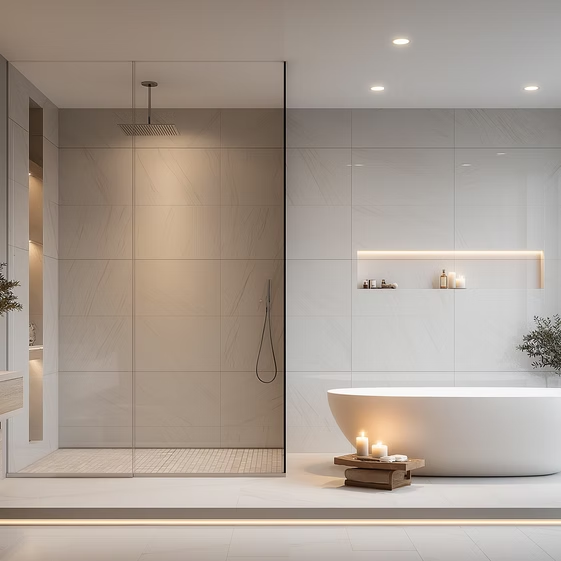



We hired Trusst Construction to renovate the bathroom in my mom’s home in Hollywood and they did a great job. Everything was smooth, communication was easy, and the bathroom came out beautiful. My mom is very happy. Definitely recommend them.


Their design ideas helped bring our vision to life in a way we would not have thought of ourselves. They kept everything simple to understand and guided us through each step. The final result feels balanced and well thought out.

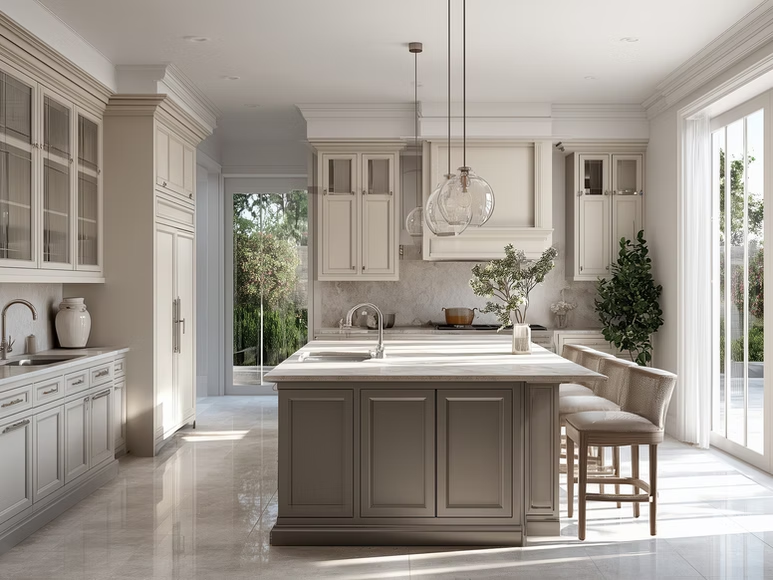
Josh did an amazing job renovating our bathroom and kitchen. He was attentive to every detail and ensured everything was flawless. Trusst Construction exceeded our expectations!

Working with a reliable remodel contractor made the whole experience stress free. The team kept the schedule tight and respected our time. Questions were answered quickly and clearly. The finished work looks clean and solid.

We recently hired Trusst Construction for a full bathroom remodel and new flooring installation in our home in Miami, and we couldn’t be happier with the results.
From the very beginning, the communication was outstanding. Gil, who was our project manager, kept us informed every step of the way. He was always available to answer questions, explain the process, and make sure we felt comfortable with every decision. That level of transparency really made the entire experience stress-free.
One thing that truly stood out was the cleanliness throughout the remodel. Remodeling can get messy, but the team at Trusst Construction took great care to protect our home and clean up at the end of each day. It made a huge difference in our day-to-day life while the work was being completed.
The bathroom turned out beautiful — modern, clean, and finished with high-quality craftsmanship. The new flooring throughout the house completely transformed the space and gave it a fresh, cohesive look.
If you’re looking for a reliable, professional contractor in Miami, I highly recommend Trusst Construction and Gil as your project manager. Great communication, clean job site, and excellent results.

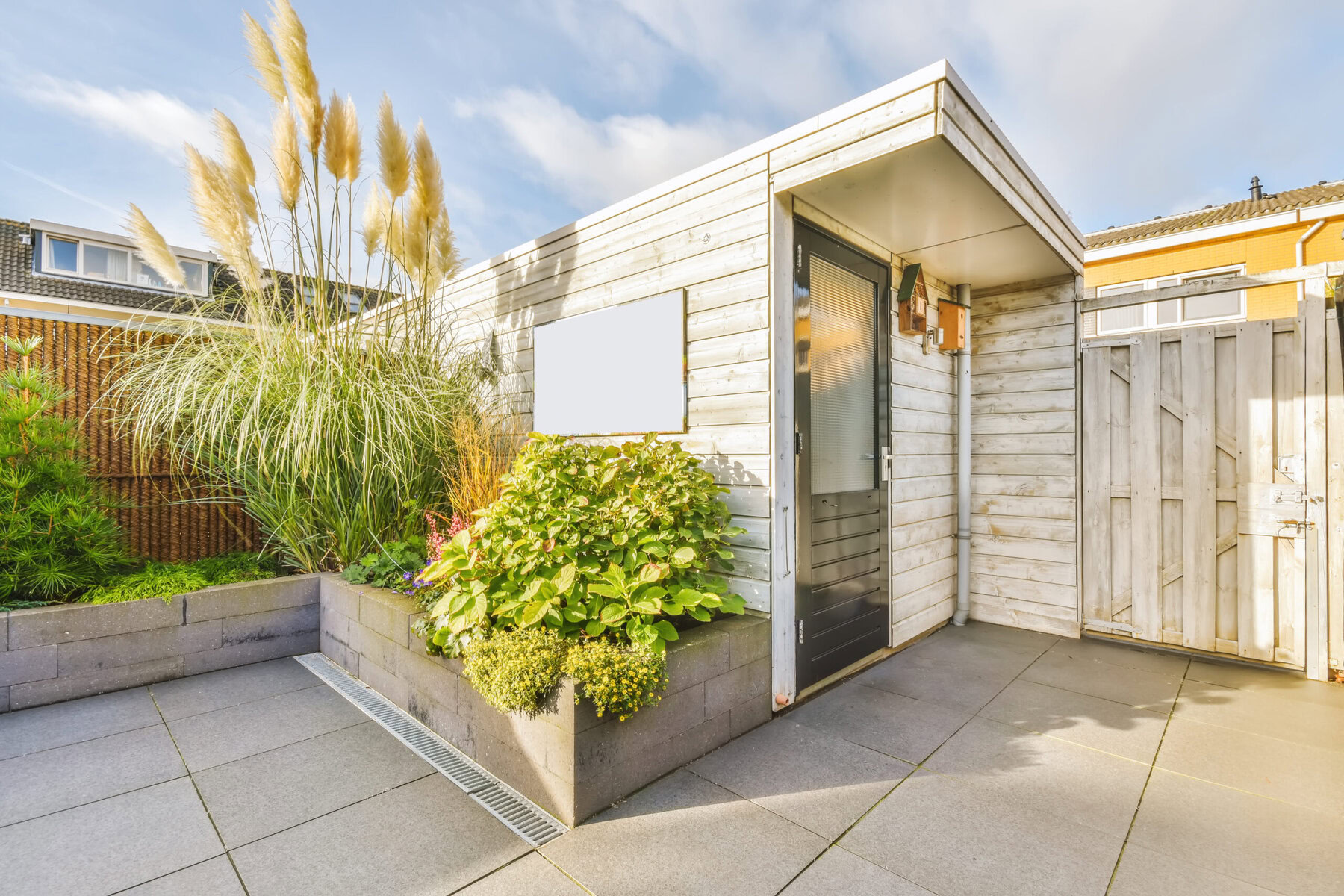
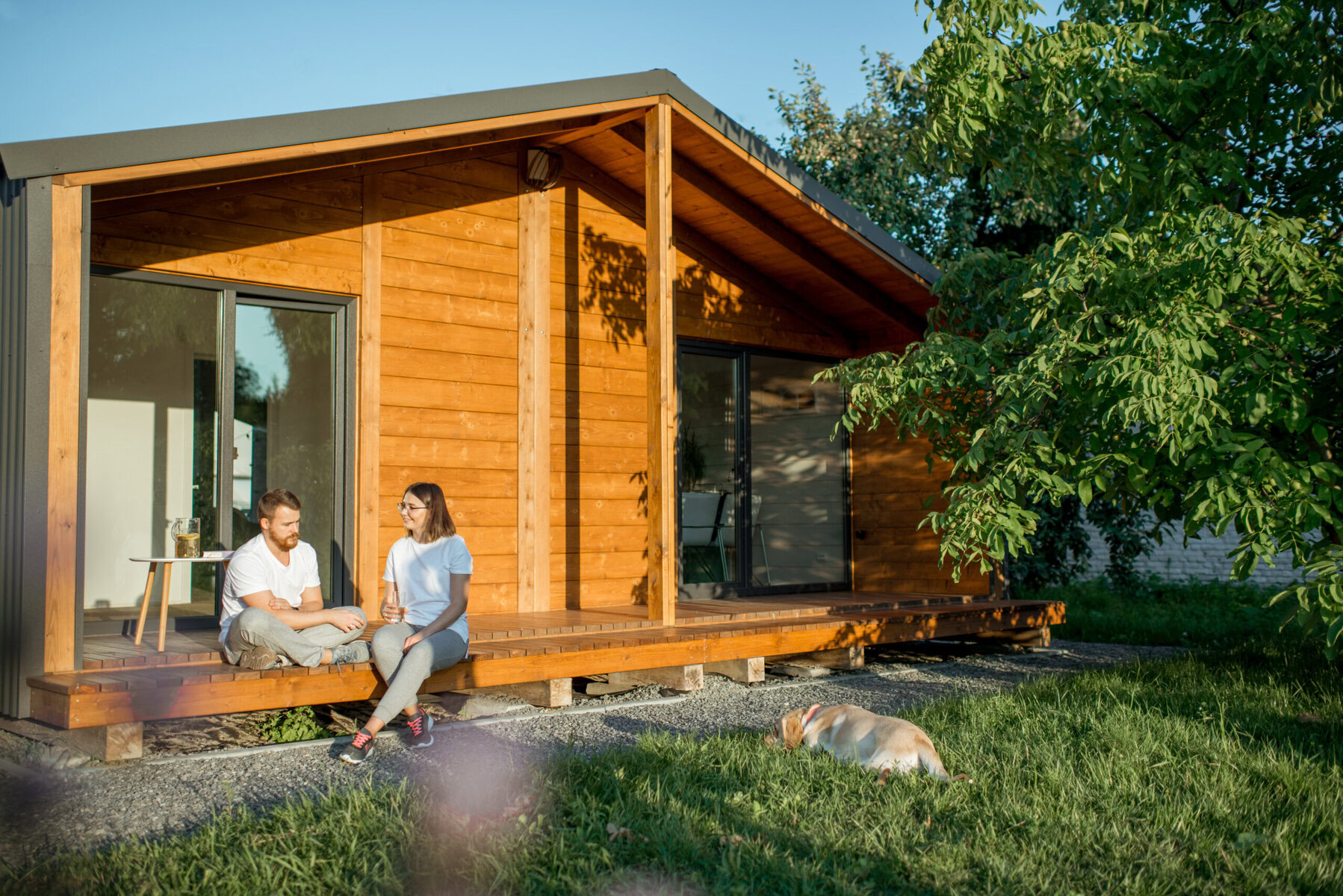
We needed a home office separate from the main house because working remotely in Miami’s busy neighborhoods can get loud. The new accessory building is perfectly insulated and surprisingly cool even on hot afternoons. The attention to detail really stood out. They kept the job site clean and respected our property. The final result blends beautifully with our home. It feels like it was always meant to be there. Great experience overall and I highly recommend.

After last year’s hurricane season, we wanted a solid backyard structure that could stand up to Miami weather. From planning to final touches, everything felt organized and professional. They explained how the materials would hold up against heat and heavy storms. I appreciated how patient they were with our questions. The final building looks beautiful and feels incredibly sturdy. It’s now my husband’s dream workshop. I would highly recommend them to any homeowner in the area.

Living in Miami, we really needed extra space that could handle the heat and humidity. We decided to build a detached guest suite in the backyard, and the entire process felt smooth from start to finish. They paid attention to ventilation and moisture protection, which is huge down here. The crew showed up on time every day and kept everything neat despite the summer rain showers. Now our in-laws have their own comfortable space when they visit. It honestly turned out better than we imagined. Highly recommend if you’re thinking about adding extra space to your home.

Outstanding experience with Trusst Construction! The team was skilled, efficient, and extremely professional. They delivered high-quality work and ensured everything was completed perfectly. I truly appreciate their dedication and would gladly work with them again.

I recently used the services of Trusst Construction, and I couldn’t be more satisfied with the results. Their team demonstrated exceptional professionalism, attention to detail, and commitment to quality from start to finish. The project was completed on time, within budget, and exceeded my expectations. Communication was clear and consistent throughout the entire process. I highly recommend Trusst Construction to anyone looking for reliable and high-quality construction services.


People Also Ask
The cost comparison between building an accessory dwelling unit (ADU) on-site versus purchasing a prefabricated model depends heavily on project specifics. Generally, prefab ADUs can be cheaper upfront due to controlled factory construction reducing labor time and material waste, with many companies offering turnkey packages. However, site-built ADUs, while often more expensive and time-consuming, allow for greater customization to match an existing property's architecture and can sometimes achieve lower long-term costs if local labor is inexpensive or if the owner acts as a general contractor. Key factors include local permit fees, site preparation costs like foundations and utilities, and finishing selections. A detailed quote for both options from local contractors and prefab companies is essential for an accurate comparison.
The cost to build an Accessory Dwelling Unit (ADU) in Texas varies widely based on size, finishes, and location, but a typical range is between $100,000 and $250,000. A basic, small prefabricated unit may start lower, while a custom-built, high-end detached ADU with full amenities can exceed $300,000. Key cost factors include site preparation, foundation work, utility connections, permitting fees, and interior finishes. Local regulations in cities like Austin or Houston also impact costs through specific zoning and code requirements. To ensure a reliable estimate, it is crucial to obtain multiple detailed quotes from licensed contractors and factor in a contingency of 10-20% for unforeseen expenses during construction.
The cheapest option for an ADU is typically a prefabricated or modular unit. These structures are built off-site in a controlled factory environment, which significantly reduces material waste, labor costs, and construction time compared to traditional stick-built additions. Key cost-saving strategies include choosing a simple, compact design (often under 500 square feet), utilizing a standard floor plan, and opting for basic, durable finishes. Another low-cost route is converting an existing underutilized space like a garage, basement, or attic, as this avoids the expense of new foundations and major structural work. However, the absolute cheapest path depends heavily on local permit fees, utility connection costs, and site-specific conditions, which must be factored into any budget.
The cost comparison between adding an addition to your primary home and building a separate Accessory Dwelling Unit (ADU) depends heavily on your specific project and location. Generally, a well-planned ADU can be more cost-effective per square foot because it often involves simpler construction on a new foundation, potentially avoiding the complexities and higher costs of tying into an existing home's structure, plumbing, and electrical systems. However, a basic bump-out addition might be cheaper if it's very small. Key factors include site conditions, utility connections, and local permit fees. For an accurate budget, obtain detailed quotes for both options, as economies of scale and efficient prefabricated ADU designs can sometimes make the detached unit a surprisingly affordable choice.
Constructing a new Accessory Dwelling Unit (ADU) in Brownsville, Florida, requires careful planning and adherence to local regulations. The first step is to consult the City of Brownsville's zoning and building department to understand specific lot size requirements, setback rules, and permitting processes. ADUs offer excellent opportunities for generating rental income or providing housing for family members. Key considerations include utility connections, design compatibility with the primary residence, and ensuring the structure meets Florida's stringent building codes for wind resistance and energy efficiency. For a detailed guide on navigating these local specifics, we recommend our internal resource, ADU Building in Brownsville, FL. A well-planned ADU can significantly increase your property's value and functionality.
The building code in Brownsville, Texas, is based on the International Building Code (IBC) and International Residential Code (IRC), with local amendments. The City of Brownsville adopts and enforces these codes to ensure safety, structural integrity, and energy efficiency. For any construction project, it is crucial to consult the Brownsville Planning & Development Services Department for the most current version and specific local amendments, which address regional concerns like wind loads due to hurricane risks and floodplain management. Permits and inspections are mandatory for most work. Always hire licensed professionals familiar with these codes to ensure compliance and avoid costly violations or project delays.
The City of Brownsville enforces specific animal ordinances to promote public safety and responsible pet ownership. Key regulations typically include mandatory rabies vaccinations and licensing for dogs and cats, with pets required to be on a leash when off the owner's property. There are often restrictions on the number of animals per household and prohibitions against certain breeds deemed dangerous. Ordinances also address proper confinement, noise control (like excessive barking), and the humane treatment of animals. For the most accurate and current information, including details on enforcement and penalties, residents should directly consult the official Brownsville Municipal Code or contact the City Clerk's office or Animal Services department, as local laws are subject to updates.
The Brownsville vape shop ordinance is a local regulation governing the sale and distribution of electronic cigarettes and related products. Such ordinances typically address zoning restrictions, prohibiting vape shops from operating near schools, parks, or other youth-centric areas to limit underage access. They often include licensing requirements, strict age verification protocols, and regulations on advertising. For business owners, compliance is critical and involves understanding specific local codes regarding permissible locations and operational standards. Staying informed about these evolving local laws, which can be more restrictive than state or federal guidelines, is essential for lawful operation and community relations. Always consult the official City of Brownsville municipal code for the precise, current text.