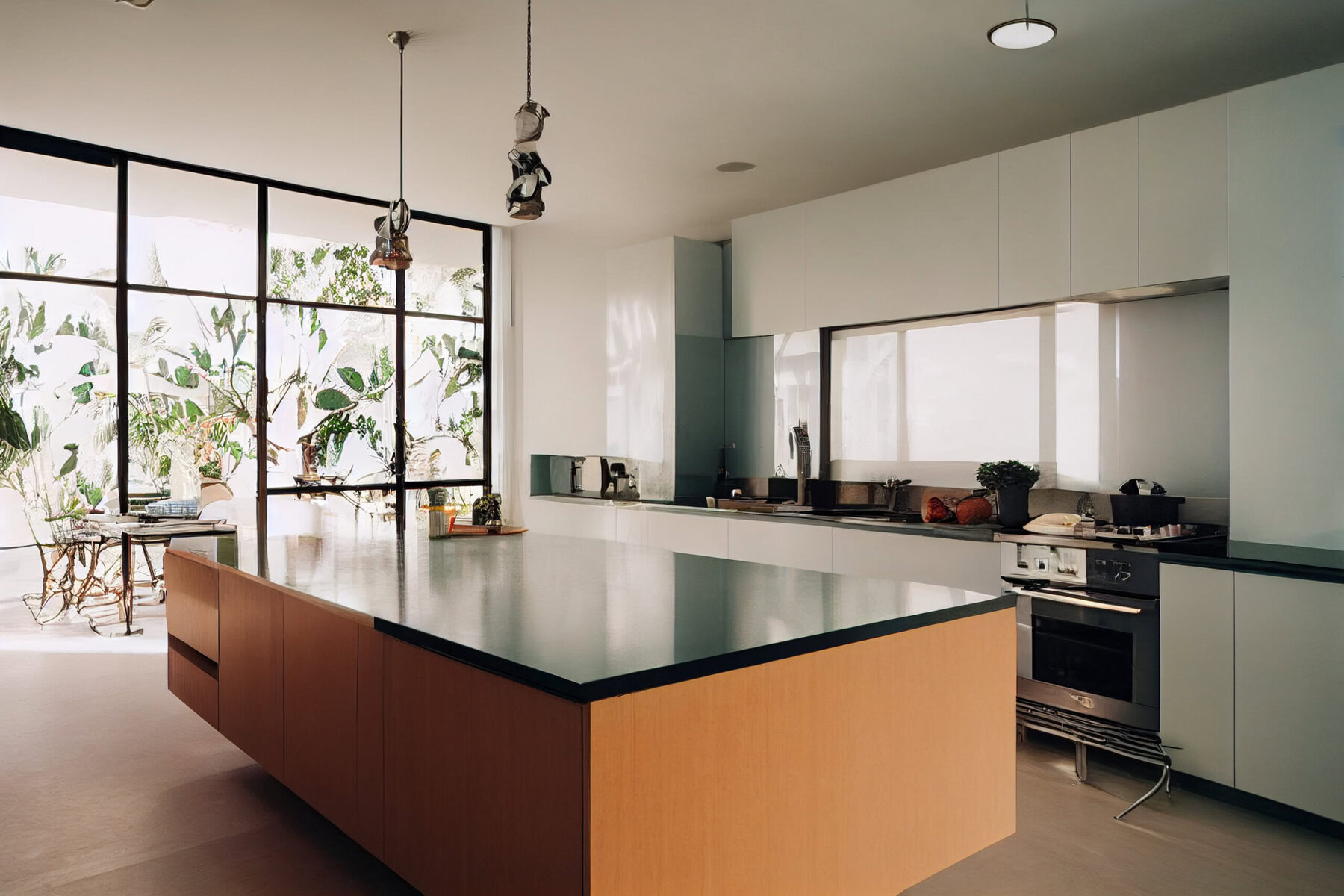

We get asked about black lighting fixtures all the time. Usually, it starts with someone scrolling through Pinterest or Instagram, seeing a gorgeous Hollywood FL home with matte black pendants over a kitchen island, and thinking, “I want that.” Then the doubts creep in. Will black make the room feel smaller? Will it clash with the coastal vibe? Is it just a trend that’ll look dated in five years?
Here’s the honest truth: black fixtures work in Hollywood FL homes, but only when you understand the trade-offs. We’ve installed them in beachfront condos, mid-century bungalows west of US-1, and new construction near Young Circle. Some jobs turned out stunning. A few required a redo because the homeowner didn’t account for the local humidity or the way afternoon light hits a dark finish. Let’s walk through what actually matters.
Key Takeaways
- Black fixtures can hold up in coastal climates if you choose the right finish (powder-coated or marine-grade).
- They work best in spaces with high contrast—white walls, light floors, or natural wood tones.
- Sizing matters more than color; a fixture that’s too small looks like an afterthought.
- Expect to clean them more often than chrome or brushed nickel, especially near the ocean.
- Professional installation is worth it for anything involving ceiling fans, heavy chandeliers, or outdoor wiring.
Table of Contents
Why Black Fixtures Have Taken Over Hollywood FL
Walk into any new build or major renovation around here, and you’ll see black fixtures in kitchens, bathrooms, and even outdoor lanai spaces. It’s not random. The shift happened because homeowners got tired of the polished-brass-and-chrome look that dominated the 2000s. Black offers a clean, grounded anchor point in a room. It doesn’t compete with artwork or furniture. It just sits there, doing its job, looking intentional.
We’ve also noticed that Hollywood FL’s architecture leans heavily into white and gray stucco, light tile, and neutral upholstery. Black fixtures create that necessary visual weight. Without them, rooms can feel washed out, especially in the summer when the sun blasts through every window. A black pendant or sconce gives the eye somewhere to land.
The Finish Matters More Than the Color
This is where most people go wrong. They pick a black fixture off the shelf at a big-box store without checking whether the finish is rated for coastal environments. In Hollywood FL, we live in a salt-laden, humid climate. That cheap spray-on black paint will start bubbling within a year. We’ve seen it happen on multiple jobs near the Intracoastal Waterway.
Look for powder-coated finishes or fixtures explicitly labeled as marine-grade. Powder coating bonds differently than liquid paint—it’s more resistant to chipping, fading, and corrosion. If you’re installing anything outdoors, like a black ceiling fan on a screened porch or a wall sconce near the pool, skip the standard hardware. Spend the extra money on something from a brand that tests for salt spray exposure.
Matching Black Fixtures to Your Home’s Style
Not every home in Hollywood FL suits black fixtures. We’ve walked into Mediterranean-style villas with terracotta roofs, warm beige walls, and dark wood cabinets. Slapping a matte black chandelier in that setting creates a clash. The black reads as harsh because the rest of the palette is warm. In those cases, we usually recommend oil-rubbed bronze or aged brass instead—they keep the dark look but blend with the warmth.
On the flip side, black fixtures shine in homes with clean lines, white or light gray walls, and cool-toned floors. Think modern coastal, mid-century modern, or industrial loft styles. If your Hollywood FL home has a lot of natural wood or white shaker cabinets, black hardware and lighting will pop without feeling forced.
What About Small Rooms?
Common fear: “Black will make my powder room look like a cave.” Actually, it’s the opposite if you use it right. A black sconce or a small black flush-mount light can add depth to a small space, especially if the walls are white or light-colored. The trick is scale. A tiny black fixture in a tiny room just looks like a dark dot. Go slightly larger than you think you need, and let the fixture become a feature.
We installed a black semi-flush mount in a guest bathroom off Hollywood Boulevard last year. The room was maybe 40 square feet, white subway tile, gray grout. The homeowner was nervous. After it went in, she said the room felt taller and more defined. That’s the thing—black doesn’t shrink a room. It anchors it.
Common Installation Mistakes We See
We’ve done enough service calls to know what goes wrong. Here are the three biggest issues with black fixtures in Hollywood FL homes.
Wrong Placement for Natural Light
Black absorbs light. If you hang a black fixture in a spot that gets direct afternoon sun through a west-facing window, that fixture will heat up. Not dangerously, but enough to make the metal expand and contract. Over time, that can loosen the mounting screws or cause the finish to craze. We’ve seen it happen on a patio off Sheridan Street. The homeowner thought the black fan would hold up, but the combination of sun and salt air did a number on it within two years.
Ignoring the Ceiling Height
Standard rule: a pendant should hang 30 to 36 inches above a countertop. But in Hollywood FL, many homes have 9-foot or higher ceilings, especially in newer construction. If you hang a black fixture too high, it loses its visual impact. Too low, and it becomes a head hazard. We always tell clients to mock it up with a piece of string before drilling. It sounds basic, but it saves headaches.
Mixing Finishes Without a Plan
Black fixtures can coexist with other metal finishes, but it takes intention. We’ve walked into kitchens where the faucet is brushed nickel, the cabinet pulls are brass, and the pendant is black. That’s not eclectic—it’s chaotic. Pick one dominant finish (black) and one accent finish (maybe brass or nickel) and stick to those two. Anything beyond that starts to look like a sample board.
Cost Considerations and Trade-Offs
Black fixtures aren’t inherently more expensive than other finishes, but the quality range is wide. You can find a black flush-mount for $30 at a home center, or spend $400 on one from a design brand. The difference usually comes down to the quality of the finish, the gauge of the metal, and the warranty.
| Fixture Type | Budget Option | Mid-Range | Premium | Notes |
|---|---|---|---|---|
| Pendant light | $30–$60 | $80–$150 | $200–$500 | Budget options often use thin metal; premium ones have thicker steel and better powder coating |
| Chandelier | $100–$200 | $250–$500 | $600–$1,200 | Mid-range is fine for indoor use; premium needed for outdoor or coastal exposure |
| Wall sconce | $25–$50 | $60–$120 | $150–$300 | Outdoor-rated sconces cost more but last longer near saltwater |
| Ceiling fan | $100–$150 | $200–$350 | $400–$700 | Wet-rated black fans are worth the premium for covered patios |
The honest trade-off: budget fixtures may look fine on day one, but after a year of Florida humidity, they often show wear. If you’re planning to stay in your home for more than three years, it’s worth stepping up to mid-range at a minimum.
When Black Fixtures Might Not Be the Right Call
We’re not going to tell you black works everywhere, because it doesn’t. Here are a few situations where we’ve advised clients to reconsider.
- Homes with heavy dark wood trim or dark cabinets. If your kitchen already has espresso cabinets and black granite counters, a black pendant disappears. You lose the fixture entirely. In that case, go with a lighter metal or a glass fixture.
- Rooms with minimal natural light. A north-facing hallway with no windows and black fixtures can feel oppressive. Stick to white or light-colored fixtures in those spaces, or use black only as an accent on a single sconce.
- Outdoor fixtures near the ocean without a cover. If your lanai is open to the elements within 500 feet of the Atlantic, black fixtures will fade faster than you expect. We’ve seen powder-coated black turn chalky gray in under two years. If you’re set on black, use a fixture rated for “wet” locations and plan to replace it sooner.
A Note on Professional Installation
We know DIY is tempting. A pendant light looks simple enough—wire it up, hang it, done. But we’ve fixed enough jobs where the homeowner didn’t ground the fixture properly or used the wrong junction box for a heavy chandelier. Black fixtures can be heavy, especially if they’re made of solid metal. A plastic ceiling box rated for 50 pounds won’t hold a 30-pound chandelier over time. The fixture will sag, and the ceiling drywall can crack.
If you’re installing anything that weighs more than 15 pounds or requires outdoor-rated wiring, call a licensed electrician. We’ve seen too many DIY jobs in Hollywood FL where the fixture fell or shorted out because the wiring wasn’t sealed against humidity. It’s not worth the risk, especially near the coast where salt air accelerates corrosion on exposed connections.
Trusst Construction, located in Miami, handles these installations regularly. We know the local building codes, the humidity quirks, and the brands that actually hold up. If you’re planning a renovation or just swapping out a few fixtures, it’s worth having someone who’s dealt with Florida’s climate before.
Final Thoughts
Black lighting fixtures are not a passing trend. They’ve become a staple because they work—when you choose the right finish, size, and placement. The key is understanding that coastal Florida adds a layer of complexity. You can’t just grab any black fixture off the shelf and expect it to look good for a decade. But with a little planning and the right materials, black fixtures can transform a space without screaming for attention.
If you’re still unsure, start small. Swap out a single pendant in a powder room or a pair of sconces in a hallway. Live with it for a few weeks. Chances are, you’ll see what we mean about the grounding effect. And if it doesn’t work, at least you didn’t rewire the whole house.
People Also Ask
For 2026, the trend in light fixtures is moving away from stark, cold whites toward warm, nature-inspired tones. Expect to see a strong preference for matte black and antique bronze for statement pieces, which provide a grounded, architectural contrast. However, the most significant shift is toward soft, earthy finishes like brushed brass, champagne gold, and warm, oil-rubbed bronze. These colors add a sense of warmth and luxury without being overly flashy. Additionally, textured whites and greiges are popular for minimalist spaces, allowing the shape of the fixture to take center stage. When selecting a finish, consider how it interacts with your existing hardware and natural light. For a cohesive look, Trusst Construction recommends choosing a single metal family and repeating it across your lighting and faucets to create a seamless, intentional design flow.
Hollywood lights, also known as Tweenies or studio fresnels, are high-intensity, focusable lighting fixtures traditionally used in film and television production. They produce a soft, even beam of light that is ideal for illuminating large areas or subjects without harsh shadows. In the context of residential or commercial construction, these terms are rarely used. If you are asking about lighting for a project in Miami, Miami Beach, or Hialeah, you are likely thinking of recessed "can" lights or track lighting. For professional guidance on selecting the correct fixtures for your build, Trusst Construction can help you integrate proper lighting design that meets local energy codes and aesthetic goals.
For a dark apartment, layering is your best strategy. Start with ambient lighting, like recessed or track lighting, to establish a bright base. Then, add task lighting, such as under-cabinet LEDs in the kitchen or a focused floor lamp by your reading chair. Finally, use accent lighting, like picture lights or LED strip lights behind shelving, to create depth. Opt for bulbs with a color temperature of 2700K to 3000K for a warm, inviting glow, and aim for high lumens to compensate for the lack of natural light. Mirrors placed opposite these light sources will also help bounce illumination around the room. For a professional assessment of your electrical layout, Trusst Construction can help you plan the perfect lighting scheme.
Lighting trends have shifted dramatically toward layered, human-centric designs. The focus is on warm, dimmable LEDs that mimic natural light cycles, supporting circadian rhythms. Smart lighting remains dominant, with voice and app controls that allow for scene setting and automation. In terms of fixtures, sculptural and organic forms are popular, using materials like brushed brass, smoked glass, and natural stone. Recessed linear lighting is being replaced by statement pendants and wall sconces that provide ambient glow rather than harsh downlighting. For Miami’s coastal aesthetic, integrating matte black or bronze finishes with soft, diffused light creates a sophisticated, resort-like feel. Trusst Construction recommends planning your electrical layout early to ensure these layered fixtures have the proper dimmers and dedicated circuits for optimal performance and longevity.