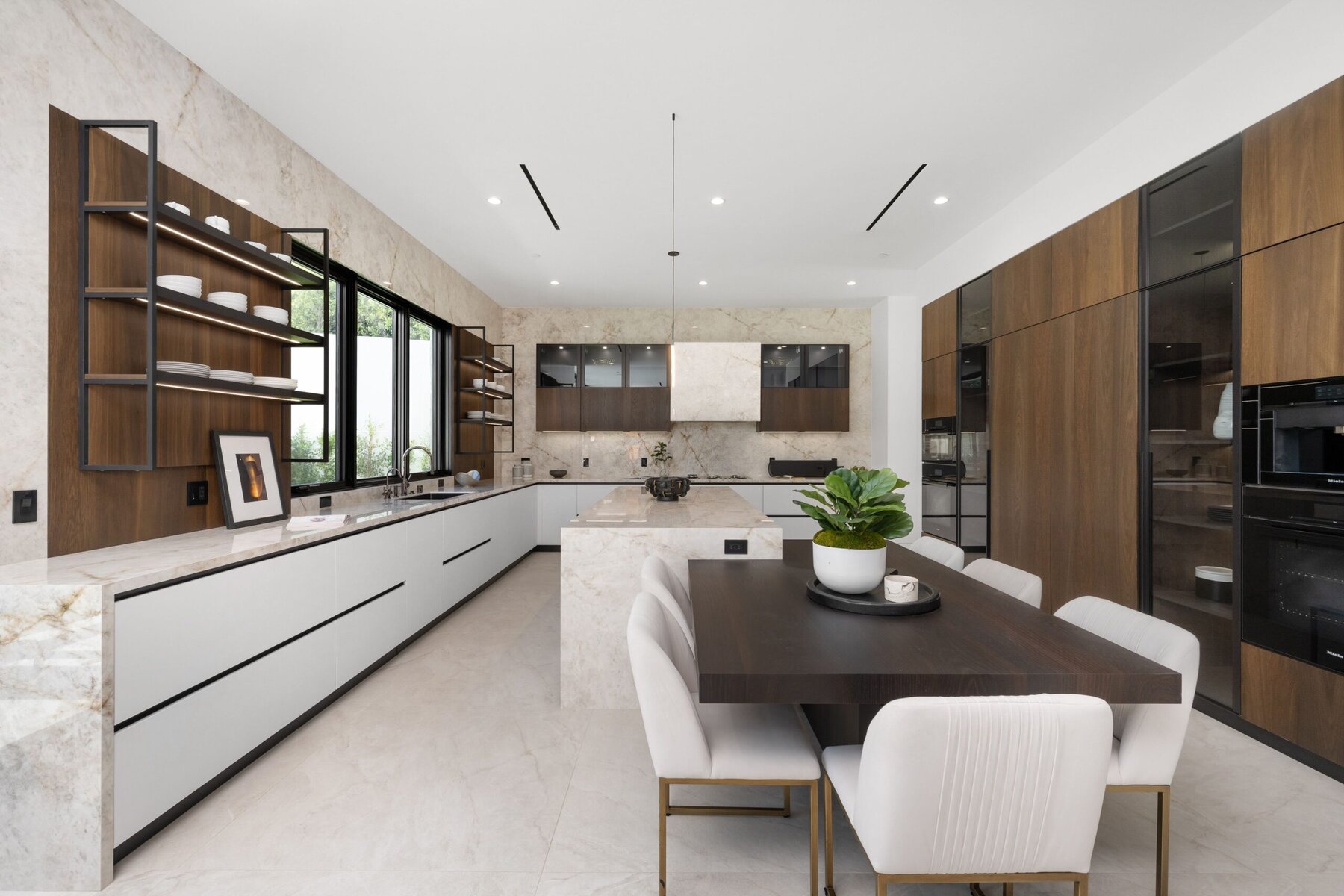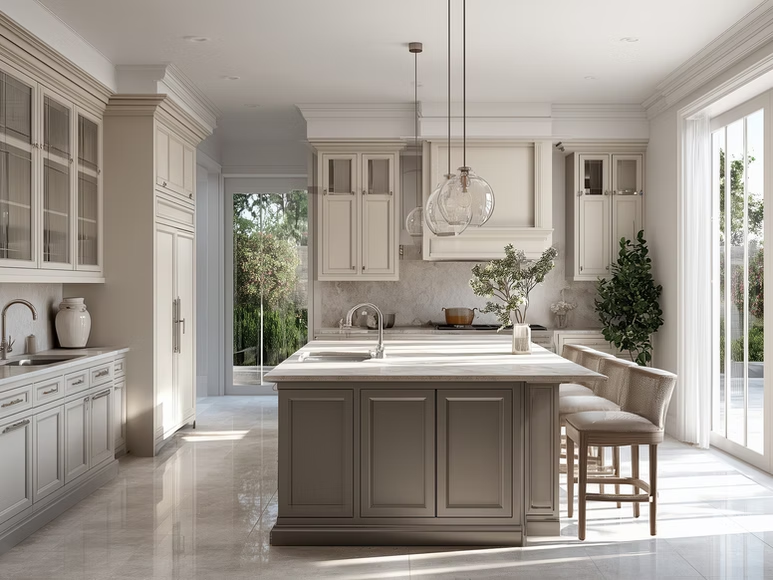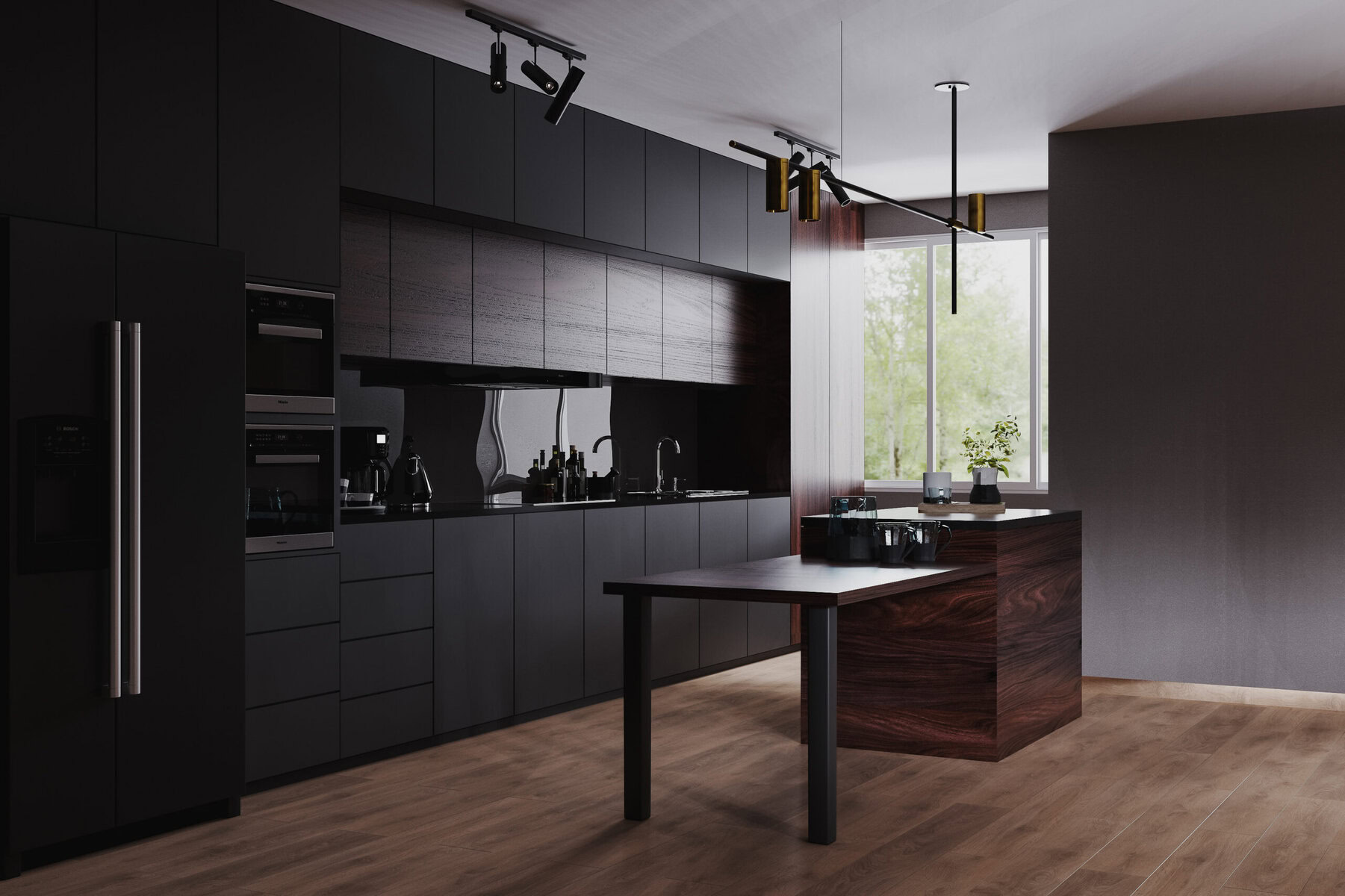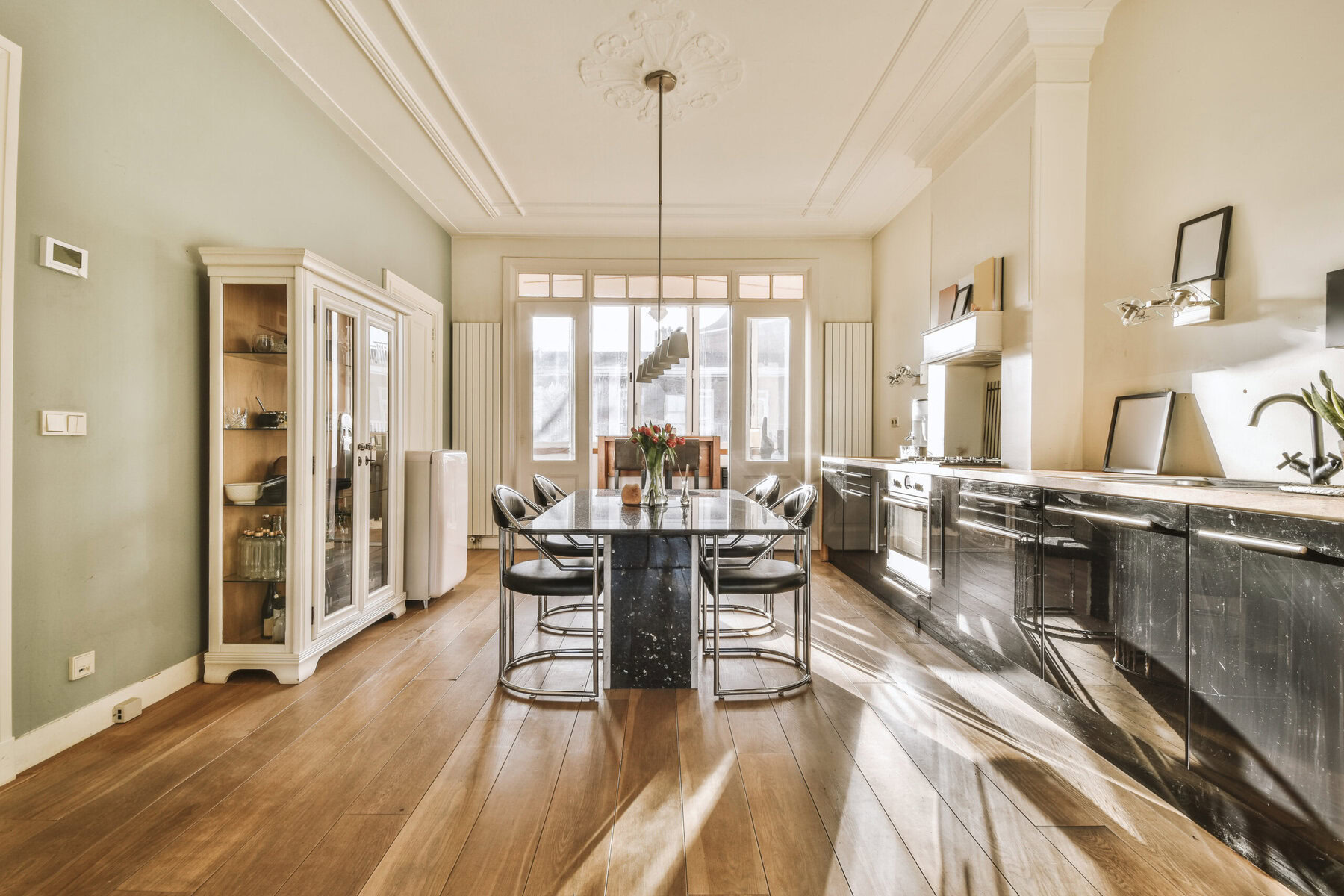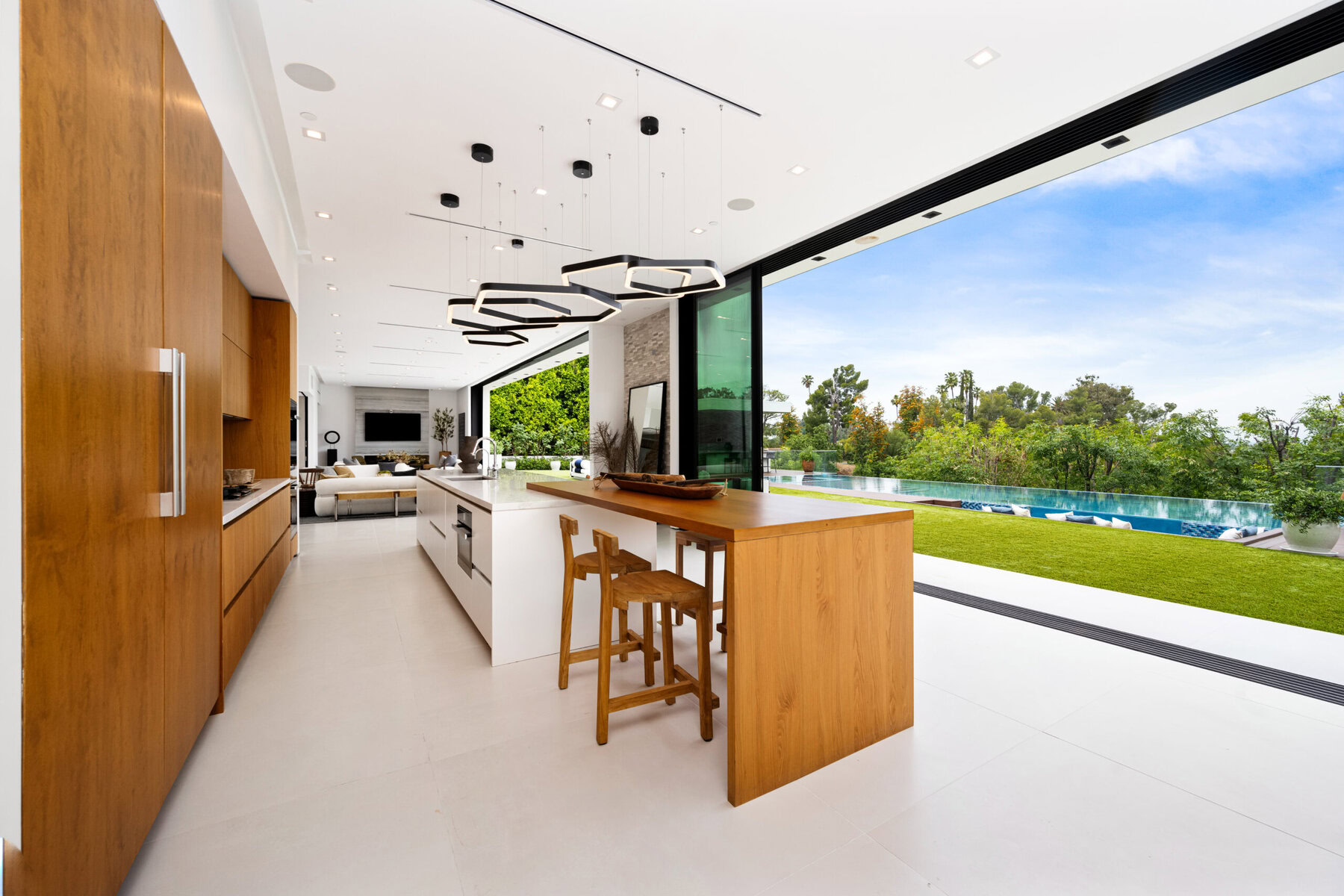
Kitchen Remodeling in West Little River, FL

Kitchens in West Little River Are Used Constantly, Not Occasionally

In West Little River, kitchens are not quiet spaces. They are used early in the morning and again late in the evening. Cooking happens often. Storage fills faster than expected. More than one person is usually moving through the space at the same time.
Many of the kitchens here were not designed for that pace. They worked well when daily use was lighter. Over time, the pressure adds up. Counters feel crowded. Cabinets are harder to organize. The layout starts to feel tight in ways that were not noticeable years ago.
Kitchen remodeling in West Little River often begins when homeowners realize the kitchen is slowing them down rather than supporting daily routines.

Why These Kitchens Start Feeling Overworked

The problem is rarely neglect or poor care.
Most kitchens simply reached the limits of what they were built to handle. Appliance demands increased. Storage needs grew. Lighting expectations changed. The room was asked to do more without being adjusted to support that change.
Because these homes are actively lived in, issues tend to appear gradually. A drawer sticks. A cabinet door sags. Electrical outlets feel insufficient. Ventilation struggles once cooking becomes frequent. Each issue on its own seems manageable. Together, they start affecting how the space functions.
That is usually when homeowners begin considering remodeling as a practical solution rather than a cosmetic one.

Moisture intrusion behind tile and wall surfaces
Accelerated corrosion on fixtures and hardware
Ventilation systems that cannot keep up with humidity
Older plumbing concealed behind finished materials
Layouts that restrict airflow and trap moisture

When only surface-level symptoms are addressed, bathrooms often return to the same condition within a few years. Remodeling works best when the reasons behind the damage are identified early, not after materials have already failed.

What We Commonly Discover Once Remodeling Begins

Once cabinets are removed and systems are exposed, patterns become clearer.
Electrical systems are often pushed beyond their original capacity. Lighting is usually minimal in work zones. Cabinet boxes may show signs of fatigue even if the exterior still looks acceptable. Layouts that appear efficient on paper often feel restrictive during actual use.
Ventilation is another common concern. Kitchens that handle daily cooking need airflow that clears heat and moisture effectively. Many older setups were not designed with that in mind.
These findings are not unusual. They shape how the remodel needs to be approached from the start.

When these elements are coordinated, bathrooms tend to settle into place instead of requiring ongoing corrections.

How We Approach Kitchen Remodeling in West Little River

There is no rushing the planning phase.
Before any demolition begins, we focus on understanding how the kitchen is used today and where it struggles. That includes reviewing layout flow, storage behavior, appliance placement, electrical capacity, lighting coverage, and ventilation performance.
Some kitchens need layout adjustments to improve movement. Others require system upgrades to support daily use. Most need a combination of both.
Taking time early prevents rushed decisions later and helps the project stay controlled once work begins.

This step often reveals limits that change the direction of the design.

Planning With Real Use in Mind

During planning, we look closely at:

This step slows the beginning of the project, but it prevents unnecessary changes during construction.

Building in the Right Sequence

Once construction starts, sequence matters.
Systems are addressed before finishes. Layout changes are finalized before cabinets are built. Materials are installed with protection in place. Final walkthroughs focus on how the kitchen functions, not just how it looks.
The goal is a kitchen that feels easier to use every day.

Design decisions are guided by how the kitchen will perform, not just how it will look.

Customer Reviews

Material Choices Are Made for Daily Wear

Kitchens in West Little River see heavy use.
Materials that rely on thin coatings or delicate finishes tend to break down under constant heat, moisture, and contact. That leads to repairs that should not be necessary after a remodel.
We guide homeowners toward materials that hold their shape, clean easily, and stay stable over time. These choices reduce future maintenance and help the kitchen age predictably.
Appearance still matters, but durability comes first.

The goal is a kitchen that settles into the home rather than needing constant adjustment.

Why Homeowners in West Little River Work With Trusst Construction

Most homeowners here want fewer problems later.
They want clear explanations. Practical recommendations. A process that does not feel rushed or reactive. They want to understand what matters and what does not before decisions are locked in.
They work with Trusst Construction because we plan carefully, communicate clearly, and keep the scope focused. The goal is not speed. The goal is a kitchen that continues to work without constant attention.

Authority comes from knowing what typically fails and planning around it.

Contact Us

Trusst Your Partner for Home Remodeling

Request a quote from Trusst Construction, serving Miami, Fort Lauderdale, Palm Beach and more with commercial, residential, and multi-family projects.

Business Address:
19790 W Dixie Hwy, Unit 1005, Miami FL 33180
info@trusstconstruction.com

305-786-3199


Service Areas

When Remodeling Becomes the Smarter Option

There is a point where repairs stop making sense.
If storage keeps falling short. If electrical limits restrict appliance use. If ventilation never feels adequate. Those are signs the kitchen is no longer supporting daily life.
At that stage, addressing the space as a whole usually produces better results than continuing to patch individual issues.

Planning a Kitchen Remodel in West Little River

Kitchen remodeling in West Little River works best when expectations are realistic and planning is deliberate.
Understanding what the space can support and where its limits are makes the rest of the process smoother. When layout, systems, and materials are considered together, the kitchen functions better and remains easier to maintain.
Trusst Construction helps homeowners think through those decisions early so the project stays steady from planning through completion.

People Also Ask

A realistic budget for a kitchen remodel varies widely based on scope and location. For a mid-range, full remodel, industry standards suggest budgeting 10-15% of your home's value. This typically covers new cabinets, countertops, flooring, appliances, and labor. For a more precise estimate, break costs into categories: cabinets and hardware (often 30-35% of the budget), installation and labor (20-25%), appliances and ventilation (15%), and the remainder for countertops, flooring, and fixtures. Always include a contingency of 10-20% for unexpected issues. For detailed guidance on a major component, our internal resource, Choosing The Right Cabinets For Your Kitchen Style, offers excellent professional advice on making cost-effective selections that align with your overall design vision.

The 30% rule in remodeling is a widely cited budgeting guideline that suggests homeowners should not spend more than 30% of their home's current market value on a major renovation project. This rule helps prevent over-improving a property relative to its neighborhood, which can make it difficult to recoup the investment upon sale. For example, if a home is worth $400,000, the recommended maximum remodel budget would be $120,000. This is a general benchmark, and actual budgets should be adjusted based on the scope of work, local market conditions, and how long the owner plans to stay in the home. It is crucial to obtain detailed estimates from licensed contractors and always include a contingency fund of 10-20% for unexpected costs.

The cost to hire a professional for a kitchen remodel varies widely based on scope, materials, and location. A mid-range, full kitchen renovation typically ranges from $25,000 to $50,000, while high-end projects can exceed $75,000. Key cost factors include cabinetry, countertops, appliances, flooring, and labor. Hiring a licensed contractor ensures compliance with building codes and proper project management, which is crucial for complex work involving plumbing and electrical systems. For a detailed breakdown specific to our region, we recommend reading our internal article, The True Cost Of A Kitchen Remodel In Miami. Always obtain multiple quotes and ensure your contract includes a detailed scope of work and payment schedule.

The cost to renovate a kitchen can vary widely based on scope, materials, and location. For a moderate, full renovation including new cabinets, countertops, appliances, flooring, and lighting, homeowners can expect a rough average range of $25,000 to $50,000. More budget-conscious updates using refaced cabinets and standard materials might fall between $10,000 and $25,000, while high-end custom projects with premium finishes can easily exceed $75,000. Key cost drivers include the size of the kitchen, the quality of cabinetry and countertops, and whether the layout is changing, which involves plumbing and electrical work. It is crucial to obtain detailed quotes from licensed contractors and budget an additional 10-20% for unforeseen expenses.

Google

Overall Rating

5.0
★★★★★

26 reviews