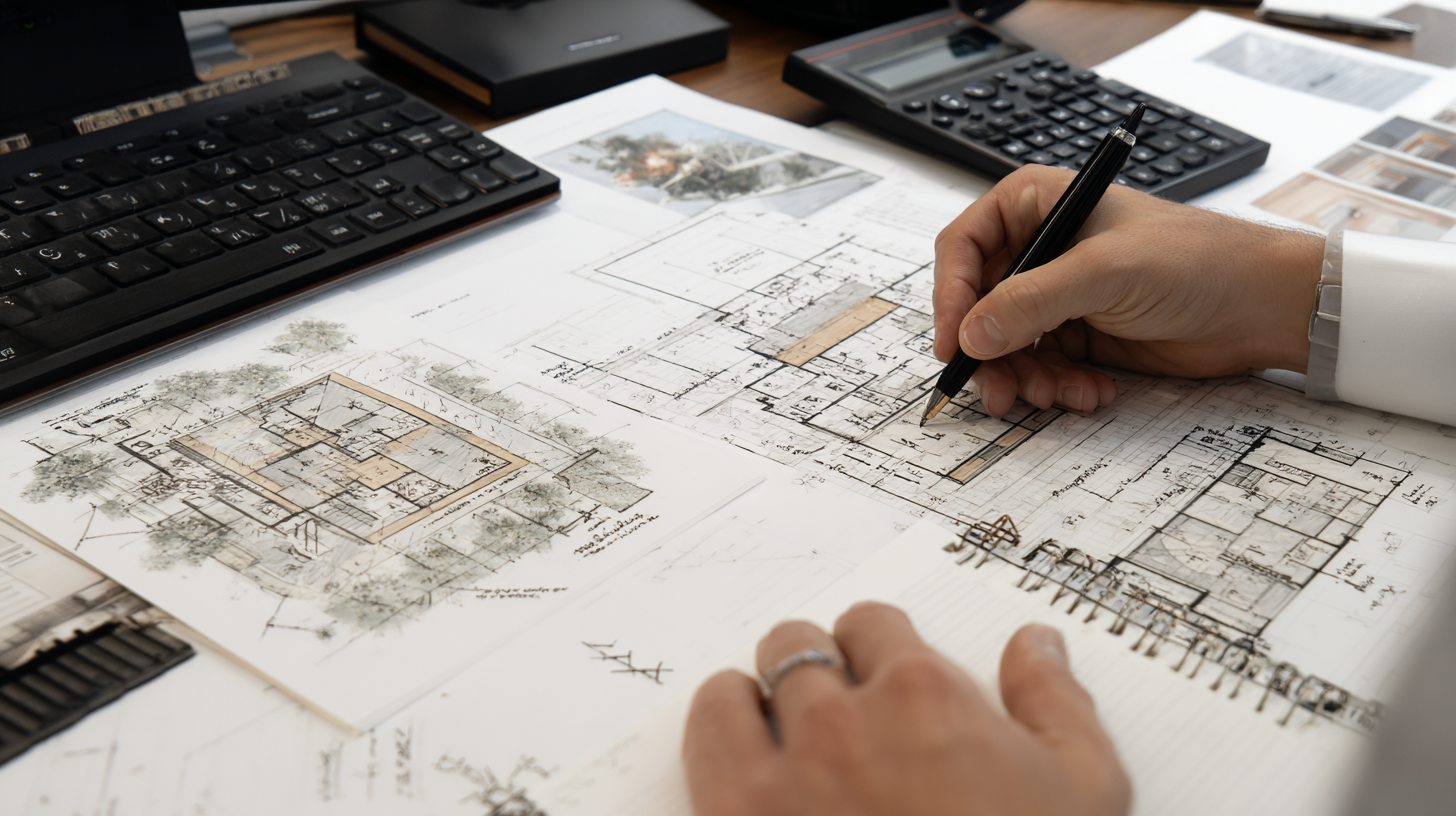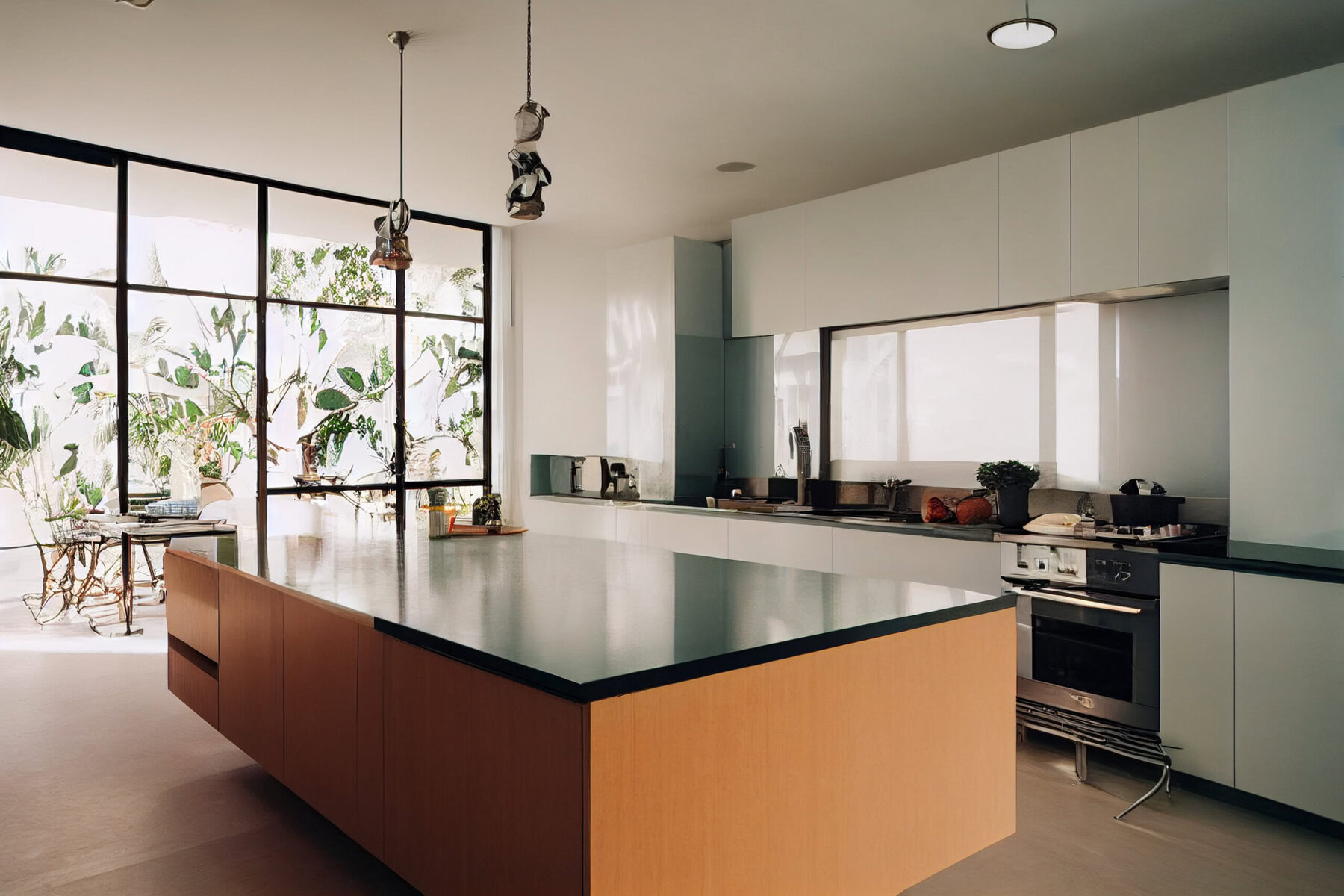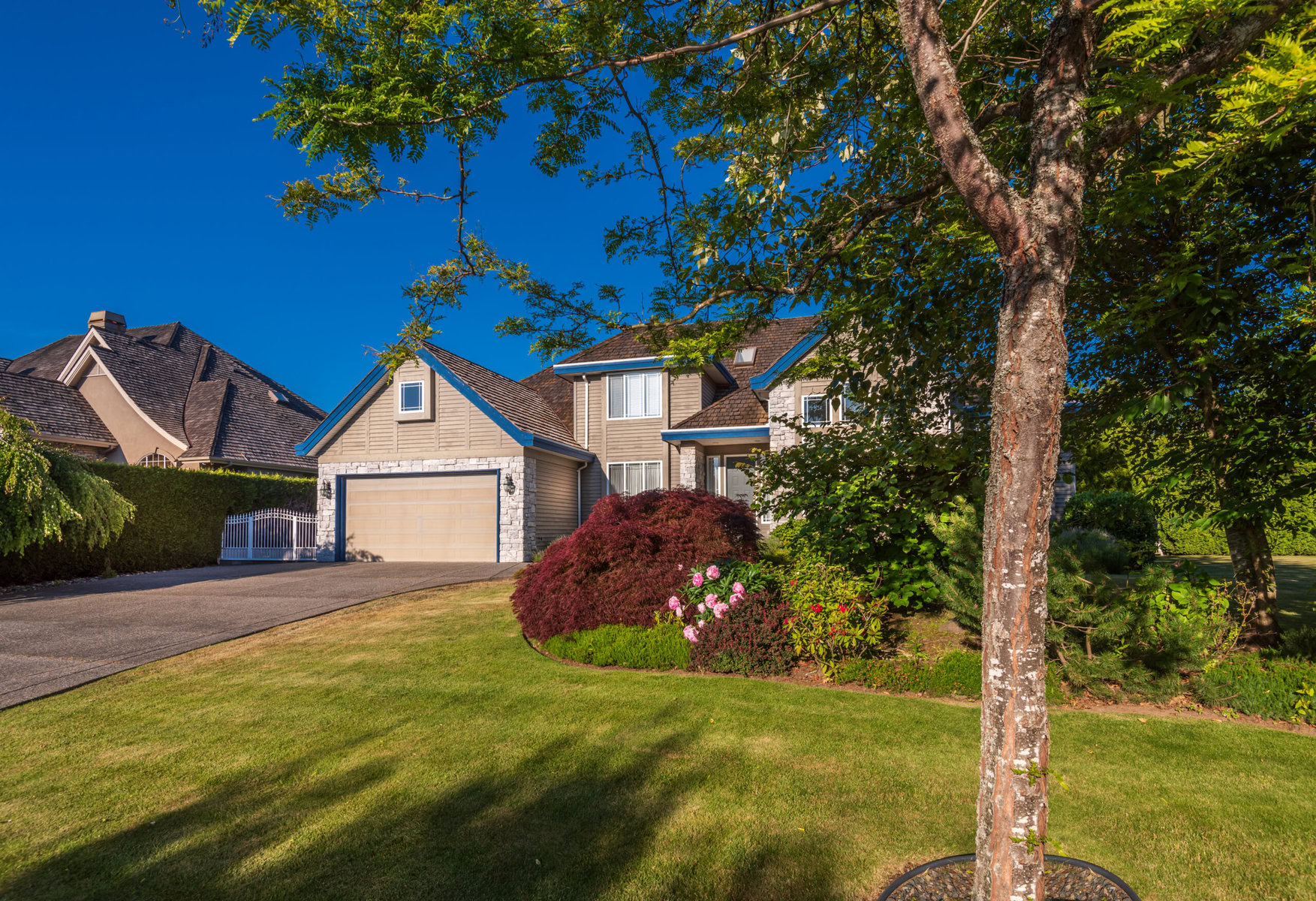

Ever stared at a cracked tile in your bathroom and thought, “I can’t live like this anymore”? Or maybe you’ve walked through your kitchen for the ten-thousandth time, mentally knocking down a wall to open up the space. We get it. The dream of transforming your space is intoxicating, but the path to getting there? That can feel like a maze of decisions, budgets, and contractor horror stories. Let’s talk about how to navigate a renovation without losing your mind or your life savings, shall we?
Table of Contents
The Great Renovation Dilemma: DIY vs. Calling in the Pros
We’ve all been there. A Saturday trip to the hardware store, fueled by a potent mix of home improvement shows and sheer optimism. “How hard can it be to install this floating vanity?” Famous last words, right?
The truth is, some projects are perfect for a DIY weekend. Painting a room, swapping out hardware, maybe even laying some peel-and-stick tile. But when we start talking about moving plumbing, knocking down load-bearing walls, or anything involving the words “permit” and “inspection,” that’s our signal to step back.
This is where the real value of a general contractor comes into play. Think of them as the conductor of your renovation orchestra. They manage the symphony of subcontractors—the electricians, plumbers, carpenters—so you don’t have to. They speak the language of building codes, which, IMO, is more confusing than trying to assemble IKEA furniture without the pictures.
For a full home remodel or even a major bathroom remodeler project, going pro isn’t a luxury; it’s a strategy for preserving your sanity. A company like our friends at Trusst Construction here in Miami handles this daily. They coordinate the chaos so you can keep your day job and your peace of mind. Trying to manage it yourself often ends up costing more in time, stress, and corrective fixes.
Budget Talk: Let’s Get Real About the “C” Word
Alright, let’s tackle the elephant in the room: cost. It’s the number one thing that makes people sweat. We hear “affordable” and think “cheap,” but in the world of remodeling, affordable should mean value-conscious, not cut-rate.
A transparent price breakdown is your best friend. A good renovation contractor won’t just give you a single scary number. They’ll provide a detailed estimate that shows where every dollar is going. This helps you make informed choices. Maybe you splurge on that dream quartz countertop but save on the cabinet hardware.
FYI, here’s a rough breakdown of where your money typically goes in a major renovation:
| Cost Category | Average % of Budget | What It Covers | Where You Can Sometimes Save |
|---|---|---|---|
| Labor & Fees | 25-35% | Contractor management, permits, inspections, skilled tradespeople. | Not advisable to cut here. Skilled labor is worth it. |
| Materials & Finishes | 40-50% | Lumber, drywall, tile, flooring, cabinets, countertops, fixtures. | Biggest area for budget flexibility. Choose mid-range finishes over luxury. |
| Appliances & Fixtures | 10-15% | Refrigerator, oven, sink, toilet, shower system, lighting. | Look for package deals or scratch-and-dent sales. |
| Contingency Fund | 10-15% | The “oh-no” fund for unexpected issues behind walls or under floors. | Never skip this. It’s your financial safety net. |
| Design & Planning | 5-10% | Architectural drawings, interior design services, project planning. | Can be DIY for simple projects, but professional plans prevent costly errors. |
The goal is to avoid sticker shock. Ask questions! Why is this line item so high? Is there a comparable, more affordable alternative? A reputable construction company will walk you through it without making you feel silly for asking.
Why Picking the Right Partner Changes Everything
You wouldn’t hire just anyone to be your business partner, right? Your house remodeling contractor is exactly that—a partner in one of the biggest financial and emotional investments you’ll make.
So, what makes the best remodeling company stand out? It’s not just about swinging hammers. It’s about process, communication, and trust.
First, they listen. Like, really listen. They understand that your home remodeling services need to fit your life, not just look good in a portfolio. Second, they communicate relentlessly. You shouldn’t have to play detective to find out what’s happening in your own home. Weekly updates? Non-negotiable. A clear point of contact? Absolutely essential.
We’ve seen how a team like Trusst Construction operates. They build the project around your life, not the other way around. Their focus on clear timelines and clean worksites makes the process feel manageable, even when the dust is flying. For a project that can feel overwhelmingly personal, that professional distance mixed with genuine care is everything.
Residential vs. Commercial: It’s a Different Ballgame
Now, maybe you’re not just thinking about your home. Perhaps you’re a business owner looking at an office refurbishment or need a commercial contractor for a retail build-out. The rules change here, and it’s crucial to know the difference.
Residential home additions are about personal taste, comfort, and emotional connection. Your kitchen remodel is about how you feel making coffee there every morning.
Commercial projects, like that office refurbishment, are about functionality, branding, efficiency, and ROI. Downtime isn’t just an inconvenience; it’s lost revenue. The permitting process is often more complex, and the materials need to withstand significantly more wear and tear.
The mindset of the commercial contractor is different. They’re scheduling work for near-zero business disruption, often at night or on weekends. They’re experts in commercial-grade materials and ADA compliance. It’s a different beast, and you need a team that specializes in that arena. Whether it’s a cozy home addition or a sleek office space, matching the project type with the contractor’s core expertise is half the battle.
Your Renovation Roadmap: From Dream to Done
Let’s wrap this up with a simple action plan. How do you actually start?
- Define Your “Why.” Get crystal clear on your goals. Is it more space? Updated functionality? Increasing resale value? This guides every decision.
- Set a Realistic Budget. Include that contingency fund we talked about. Seriously, don’t skip it 🙂
- Do Your Homework. Research remodeling companies. Read reviews, look at portfolios, and ask for references. When you find a team whose work you admire—like Trusst Construction for our Miami readers—reach out.
- Communicate Your Vision. Use pictures, Pinterest boards, magazine tears—anything that helps convey your style. Good contractors are visual problem-solvers.
- Trust the Process. Once you’ve vetted your team and signed the contract, let them do their job. Good communication doesn’t mean micromanaging every nail.
The journey of transforming a space is incredibly rewarding. It’s about more than new drywall and fixtures; it’s about creating the backdrop for your life’s next chapter. By choosing the right partner, being smart about your budget, and knowing what to expect, you trade anxiety for excitement.
Ready to stop dreaming and start building? Sometimes, the best next step is just a conversation. Why not give a local expert a call and see what’s possible?
Your Renovation Questions, Answered
How long will my renovation actually take?
Honestly? Always longer than you hope, but a good contractor will give you a realistic timeline upfront and stick to it barring unforeseen issues (like discovering antique plumbing that’s held together with hope). A simple bathroom might take 3-4 weeks, while a full home remodel could be 4-6 months. The key is weekly progress updates.
What’s the best way to prepare for living in a construction zone?
Set up a makeshift kitchen (microwave, mini-fridge, coffee maker), seal off the work area with plastic sheeting to contain dust, and pack away anything you don’t need. Most importantly, communicate with your crew about daily schedules and noise. A little preparation prevents a lot of headaches.
How do I handle permits? Should I get them myself?
A reputable general contractor will always pull the required permits. This is a sign they’re doing things by the book. If a contractor suggests skipping permits to “save time and money,” see that as a giant red flag. Unpermitted work can cause massive problems when you sell your home.
Why are there so many hidden costs?
They’re not “hidden” to a good contractor. They’re “unforeseen.” You can’t see inside your walls until you open them up. That’s why the 10-15% contingency fund is critical. A professional will identify potential risk areas early and keep you informed the moment an unexpected issue arises, explaining the cost implications before proceeding.
Related Articles
Miami Home Remodeling Permits: What You Actually Need – Requirements, Costs, Timelines & How to Avoid Costly Mistakes
A Step-by-Step Guide to Preserving Character and Meeting Modern Codes
How To Find And Vet Licensed General Contractors In Miami For Your Renovation
Architectural Universal Design For Ojus
Smart Home Integration For Your New Build Or Remodel
How To Hire A Luxury Home Renovation Contractor In Miami: The Ultimate Guide For High-End Remodeling
People Also Ask
The 30% rule is a common financial guideline suggesting you should not spend more than 30% of your home's current market value on a single renovation project. This benchmark helps protect your investment by preventing you from over-improving a property beyond what the neighborhood can support. For example, if your home is valued at $400,000, a budget of $120,000 is considered the upper limit for a major remodel. Exceeding this threshold often means you will not recoup the costs upon resale. However, this is a general industry standard, not a strict code. For a precise assessment tailored to the Miami, Miami Beach, and Hialeah markets, Trusst Construction recommends consulting a local real estate appraiser to align your project scope with actual neighborhood comps.
Renovating a house requires a strategic sequence to protect your investment and avoid costly rework. The professional order typically begins with structural work, such as foundation repairs, roof replacement, and framing changes. Next, you address rough-ins for plumbing, electrical, and HVAC systems before any walls are closed. After inspections pass, you install insulation, then hang drywall and apply finishes like plaster or texture. Following that, you focus on flooring, cabinetry, and countertops, saving painting for after these dusty tasks are complete. Finally, you install trim, doors, and lighting fixtures, ending with final cleaning and décor. At Trusst Construction, we emphasize that skipping this order often leads to damaged materials and doubled labor costs. Always consult a licensed contractor to adapt this sequence to your specific project.
The most expensive part of a house to remodel is typically the kitchen, closely followed by the primary bathroom. These spaces involve complex systems like plumbing, electrical, and HVAC, which require significant labor and code compliance. High-end cabinetry, stone countertops, and premium appliances quickly escalate costs. For a full-scale kitchen renovation, you can expect to invest a substantial portion of your overall budget. To avoid costly surprises, it is crucial to establish a detailed scope of work and a realistic contingency fund. At Trusst Construction, we advise clients to prioritize structural and mechanical updates first. For a deeper dive into budgeting and protecting your investment, please review our internal article on this topic: How a Single-Source Design-Build Partner Protects Your Remodel Investment in South Florida.
Yes, $100,000 is often a sufficient budget for a substantial home renovation, provided the scope is managed carefully. In the Miami, Miami Beach, and Hialeah market, this amount can cover a full kitchen remodel, two bathroom renovations, and new flooring, or a complete exterior refresh including a new roof. However, costs escalate quickly with structural changes, like moving load-bearing walls or adding square footage. To ensure your funds are allocated effectively, detailed planning is crucial. At Trusst Construction, we recommend setting aside a 10-15% contingency for unexpected issues, such as outdated wiring or plumbing discovered during demolition. A professional cost estimate will help you prioritize high-impact updates within your financial limits.